
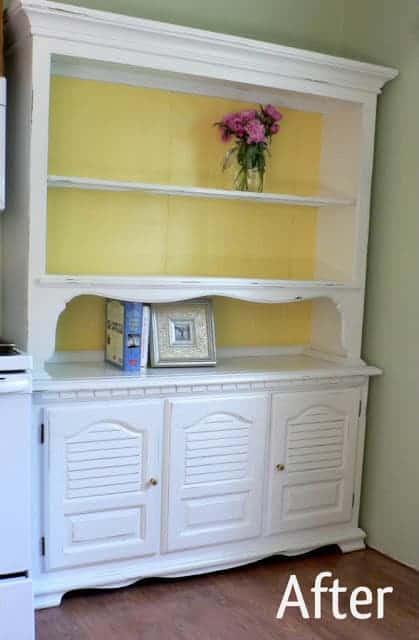
Paint Furniture Without Sanding
A simple guide to painting furniture without sanding, giving old pieces a new lease on life.
Prep: 1 hour
Cook: 4 hours
Total: 5 hours
Ingredients
Materials
- 1 piece Furniture to renovate
- 1 quart Zinsser Cover Stain oil-based primer
- 1 quart Floetrol paint conditioner
- 0.5 cup Paint thinner
- 1 tube Elmer's wood filler
- 1 Good quality two-inch angled brush Purdy brush recommended
- 3 Sanding blocks medium-grit, fine-grit
- 1 quart Paint of your choice
- 1 quart Minwax water-based Polycrylic or Varathane water-based polyurethane
- 1 Screwdriver
- 1 Tack cloth or lint-free rag
Instructions
Preparation Steps
- Prep the furniture by removing all doors and hardware using a screwdriver. Follow the directions on the wood-filler to patch any holes and then sand them smooth.
- Use the medium-grit sanding block to lightly rough up all surfaces you plan to paint. The goal is to create a surface for the primer to adhere to, not to remove old finishes. Remove all dust completely before proceeding.
- Apply the first coat of primer. Allow it to dry completely according to the manufacturer's instructions.
- Apply a second coat of primer. Ensure it dries completely.
- Apply 1-2 coats of your chosen paint. Allow each coat to dry thoroughly before applying the next. Let the final coat of paint dry for at least 24 hours before distressing or applying a topcoat.
- If desired, distress the furniture using the fine-grit sanding block to achieve your desired look. Remove all dust with a tack cloth.
- Apply the first coat of polyurethane. Let it dry, then lightly sand with the fine-grit block to smooth out any drips or brush strokes. Remove dust with a tack cloth. Repeat this process for as many coats of polyurethane as needed to achieve the desired sheen and protection.
Notes
Ensure good ventilation when working with primers and paints. Allow ample drying time between coats for the best results.