Whenever I think back to family dinners filled with laughter and the delicious aroma of grilled meat, hibachi chicken immediately comes to mind. It’s one of those meals that’s so simple yet so packed with flavor, my kids ask for it almost weekly. I remember the first time I tried to make it at home; I was a little nervous because I love how authentic the hibachi places taste, but after a few tweaks, I realized you can actually get that smoky, savory goodness right in your own kitchen. Honestly, this recipe has become my go-to when I want a quick, satisfying dinner that everyone raves about. And the best part? It’s way easier than you think — no special equipment, just a skillet and a lot of love. Plus, it’s budget-friendly and versatile enough to serve with rice, veggies, or even as filling for tacos. Imagine slicing into tender pieces of chicken coated in that beautiful sear, glazed with a touch of sesame and soy, and served with a side of steamed broccoli — it’s pure comfort food. Trust me, this hibachi chicken is a lifesaver on busy nights, and I know it’ll become a family staple in your house too!
What is Hibachi chicken?
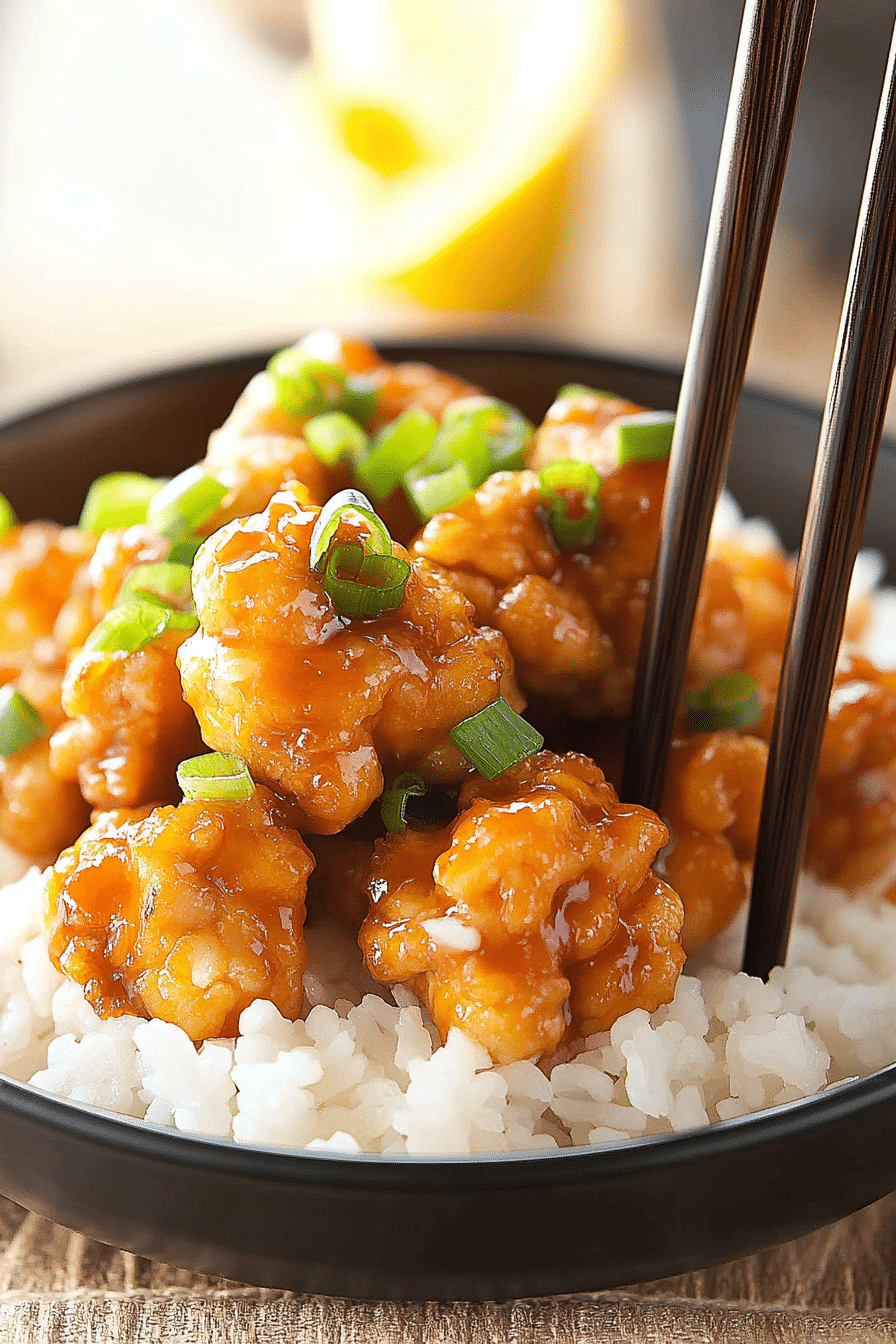
Hibachi chicken is essentially a Japanese-inspired grilled or pan-seared chicken dish that’s all about bold, smoky flavors. The word “hibachi” originally refers to traditional Japanese heating devices, but here it’s more about that grill-scraped, charred flavor we all love. Think of it as the cousin of teriyaki chicken, but with a bit more of a searing, caramelized finish. It’s essentially chicken cooked quickly over high heat to develop those irresistible crispy bits while staying juicy inside. The marinade typically includes soy sauce, garlic, ginger, and a dash of sesame oil — ingredients that create that savory, slightly nutty profile you’re craving. What makes hibachi chicken so appealing is that it’s easy enough for a weeknight dinner but fancy enough to serve to guests, especially when plated beautifully with extra greens or rice. This dish is all about bringing that lively, restaurant-quality flavor right to your kitchen table, and once you get the hang of it, you’ll never go back to plain grilled chicken again.
How do I make Hibachi chicken?
Quick Overview
This hibachi chicken recipe is all about quick and high-heat cooking that gives your chicken that perfect charred, smoky flavor without needing a grill. First, you’ll whisk together a simple marinade of soy sauce, garlic, ginger, and sesame oil to tenderize and flavor the chicken. While it marinates just briefly, you’ll heat your skillet until it’s screaming hot — this is key to mimicking that restaurant sear. Then, cook the chicken in batches, getting it nice and caramelized on the outside while keeping it juicy inside. A quick glaze of soy and garlic during the last minute boosts that signature hibachi flavor, and a sprinkle of sesame seeds and green onions makes it look just as beautiful as it tastes. For the sides, I recommend fluffy jasmine rice or steamed broccoli — but honestly, it’s great over salads or even wrapped into tacos. It’s so straightforward that even beginner cooks will feel confident, and I promise the flavor will wow everyone at the table.
Ingredients
For the Marinade:
– 1/4 cup soy sauce (use low-sodium if preferred)
– 2 cloves garlic, minced
– 1 tablespoon fresh ginger, grated
– 1 teaspoon sesame oil
– 1 tablespoon honey or brown sugar (for a slightly sweet touch)
– 1 tablespoon rice vinegar (optional, for brightness)
– Black pepper to taste
For the Chicken:
– 4-6 boneless, skinless chicken breasts or thighs, sliced into strips
– Extra sesame seeds and chopped green onions for garnish
For the Glaze:
– 2 tablespoons soy sauce
– 1 teaspoon minced garlic
– 1 teaspoon honey or mirin
– Optional: a splash of rice vinegar for tang
Step-by-Step Instructions
Step 1: Preheat & Prep Pan
Start by heating your large skillet or cast-iron pan over high heat. I like to get it almost smoking — the hotter the better for a good sear. While it’s warming, slice your chicken into uniform strips so they cook evenly. Pat the chicken dry with paper towels; this step really helps in achieving that beautiful crust. Lightly oil the pan or brush with a bit of sesame oil for flavor. Once hot, you’re ready to cook!
Step 2: Mix Dry Ingredients
In a small bowl, whisk together soy sauce, garlic, ginger, sesame oil, honey, and rice vinegar if using. This marinade forms the backbone of that signature hibachi flavor and tenderizes the chicken. I always taste it before pouring over the chicken to make sure it hits the right balance — a little more honey if you like sweet, or a splash more soy for saltiness.
Step 3: Mix Wet Ingredients
Combine your marinade ingredients thoroughly until the honey dissolves completely. This ensures each piece of chicken gets evenly flavored. I like to do this step first so I can toss the sliced chicken in it right away. If you have more time, marinate for about 30 minutes, but even 10 minutes does a great job tenderizing and flavoring the meat.
Step 4: Combine
Place the chicken strips in a bowl or zip-top bag and pour the marinade over. Toss to coat well, then set aside. Don’t overmix or soak for too long — the soy can start to break the chicken down if left marinating too long, so about 30 minutes max is perfect.
Step 5: Prepare Filling
While the chicken marinates, prep your extras: slice green onions, toast some sesame seeds, or prepare steamed rice. These little touches really bring the dish together. I love sprinkling extra sesame seeds on top after cooking, as they add a lovely crunch and nutty aroma.
Step 6: Layer & Swirl
Once the pan is hot, add the chicken strips in a single layer. Let them sear without moving for about 2-3 minutes until they develop a nice brown crust. Flip and cook the other side another 2-3 minutes until cooked through. During the last minute, drizzle the glaze over and gently swirl the pan so that each piece gets coated and slightly caramelized. Use tongs to flip or move the chicken around for even searing.
Step 7: Bake
(If using oven-safe skillet) If you prefer, you can transfer the chicken to a preheated oven at 400°F (200°C) after searing for an extra few minutes to ensure even cooking. I tend to do the stovetop method for a faster, more concentrated flavor. Use a meat thermometer to check for 165°F to be safe.
Step 8: Cool & Glaze
Remove the chicken from heat and let it rest for a couple of minutes. Drizzle with the remaining glaze for that sticky, savory coating, then sprinkle with green onions and sesame seeds. This resting step helps the juices redistribute, so each bite stays tender and flavorful.
Step 9: Slice & Serve
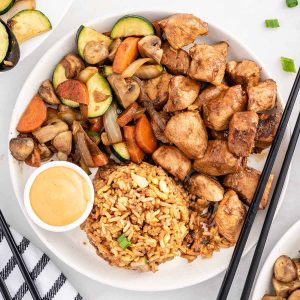
Serve your hibachi chicken hot over rice, tossed with stir-fried veggies, or even in a lettuce wrap. I like to plate it beautifully, adding a wedge of lemon or lime for a citrusy brightness. Trust me, the smell alone will lure everyone to the table, and the first bite is pure happiness. Plus, leftovers make amazing lunches with a quick reheating or cold packed for on-the-go. I always keep some extra soy or a squeeze of fresh lime on hand to finish it off just before serving.
What to Serve It With
This hibachi chicken is incredibly versatile, and the options are endless! A classic pairing is fluffy steamed jasmine rice, which soaks up all that savory glaze. I also love serving it with lightly stir-fried broccoli or snap peas — the crunch contrast is perfect. My family’s favorite way is to pile it all on a large platter with some roasted carrots, sautéed mushrooms, and a drizzle of spicy sriracha for a little kick. Sometimes, I make a quick cucumber salad with rice vinegar and sesame seeds for a fresh side. If you’re hosting a casual dinner, platter everything family-style and let everyone build their plates. It’s a fun way to serve, plus it looks beautiful on the table. Honestly, I’ve served this hibachi chicken over cauliflower rice for a low-carb twist or wrapped in lettuce leaves for a lighter, refreshing meal. The flavors are so adaptable — I even use the leftovers as filling for tacos, topped with chopped cilantro and a squeeze of lime. It’s one of those dishes that taste even better the next day, and I’ve lost track of how many times my kids have asked for seconds or begged me to make it again on weekends.
Top Tips for Perfecting Your Hibachi Chicken
After making this dish dozens of times, I’ve learned a few tricks that really make a difference. First, don’t skimp on the high heat — it’s what gives the chicken that fabulous sear. I always preheat my skillet until it’s almost smoking — patience, grasshopper! If you crowd the pan, the chicken will steam instead of sear, so cook in batches if needed. When mixing the marinade, taste-test it first — I’ve found that adding a touch more honey balances the soy’s saltiness and enhances that caramelized finish. I also suggest slicing the chicken thinly but uniformly; thicker pieces won’t sear as well. For the best visual appeal, I like to alternate the chicken slices with green onion pieces when layering and swirling the glaze, creating a beautiful marbled look.
Ingredient swaps are a great way to tailor the flavor. If you don’t have sesame oil, a little toasted sesame seeds in the marinade or as a topping works just as well. Want to spice things up? Add a pinch of red pepper flakes or sriracha to the glaze for a kick. I’ve tested this with turmeric for a color boost or a splash of orange juice for brightness — honestly, it’s very forgiving. My biggest lesson? Always taste as you go. A dash more soy, a squeeze of lime, or a sprinkle of ginger can elevate the dish to new heights. The key is to keep that pan hot, work quickly, and not overthink it. This has become my secret weapon for impressing friends or whipping up a quick weeknight dinner that tastes like it’s straight out of a restaurant.
Storing and Reheating Tips
This dish re-heats beautifully, but a few tips help maintain its texture and flavor. Keep leftovers in an airtight container in the fridge — I recommend consuming within 3 days for best freshness. When reheating, I usually do it in a skillet over medium heat — just add a splash of water or stock to keep it moist and prevent sticking. Microwave works in a pinch, but it can make the chicken a little rubbery if overdone, so if using this method, reheat in short bursts and cover with a damp paper towel. If you plan to store the glazed leftovers, wait to add the extra drizzle until just before serving — the glaze can become sticky and clump if stored for too long. For freezing, portion the chicken in freezer-safe bags and squeeze out as much air as possible. It’ll stay good for about a month. Thaw in the fridge overnight, then reheat gently as mentioned. The flavor might mellow a bit, but trust me, it still hits the spot! I’ve tested freezing with the marinade on and off, and I find that marinated chicken freezes even better, absorbing flavors as it thaws. Just remember, the fresher the better — so try to enjoy it within a month for that restaurant-quality taste.
Frequently Asked Questions
Final Thoughts
This hibachi chicken has become a staple in my kitchen that I keep coming back to — it’s easy, flavorful, and just so satisfying. Nothing beats the smell of that seared chicken, the rich umami aroma filling the house, making everyone eager to eat. I love how adaptable it is; you can customize the flavors, serve it with different sides, or turn it into a quick taco filling. It’s one of those dishes that, no matter how many times I make it, I still feel a little thrill when I see the perfect caramelization. Trust me, once you get the hang of that hot pan and quick sear, you’ll be making this hibachi chicken regularly too. It’s comforting, crowd-pleasing, and honestly, pretty addictive. I hope you give it a try and find yourself swooning over the flavors just like my family does. And if you do, I’d love to hear about your version in the comments — or see your photos! Happy grilling and sautéing!

hibachi chicken
Ingredients
Main Ingredients
- 2 pounds boneless skinless chicken breast
- 2 tablespoons peanut oil
- 0.25 cup low-sodium soy sauce
- 3 tablespoons hoisin sauce
- 1 tablespoon granulated sugar
- 1 tablespoon fresh garlic (grated)
- 1 tablespoon fresh ginger (grated)
- 1 tablespoon rice wine vinegar
- 1 teaspoon toasted sesame oil
- 2 cups mushrooms (quartered)
- 2 cups zucchini (sliced into half circles)
- 1.5 cups yellow onion (sliced)
- 1 cup fresh carrots (sliced into half circles)
- 3 cups cooked jasmine rice
- 0.25 cup peanut oil for rice
- 0.25 cup soy sauce for rice
- 1 egg scrambled egg
- 0.25 cup green onions (chopped)
- 0.25 cup Yum Yum sauce
Instructions
Preparation Steps
- In a small bowl, mix soy sauce, hoisin sauce, garlic, ginger, sesame oil, sugar, and rice vinegar to make the sauce.
- Place chicken into a bowl, pour sauce over chicken, and stir to coat. Marinate for at least 15 minutes.
- Heat a large skillet over high heat, add 2 tablespoons peanut oil. Cook chicken until browned and cooked through, about 4-5 minutes. Transfer to a plate.
- In the same skillet, sauté carrots, onions, mushrooms, and zucchini until tender-crisp, about 5 minutes. Remove and set aside.
- In a separate large skillet, heat 0.25 cup peanut oil over medium-high heat. Add scrambled egg, cook for 20 seconds, then add garlic and green onions. Cook for 30 seconds.
- Add cooked jasmine rice to the skillet with eggs, garlic, and green onions. Spread into an even layer and fry undisturbed for 3 minutes. Stir, then repeat for 10 minutes total.
- Stir in soy sauce for rice, cook for additional 4-5 minutes until rice is fried and coated.
- Add the cooked chicken and vegetables to the fried rice, stir to combine and heat through, about 2 minutes.
- Serve portions topped with chopped green onions and Yum Yum sauce.
Notes
Featured Comments
“Impressed! Clear steps and perfect for busy nights results. Perfect for busy nights.”
“New favorite here — spot on. crowd-pleaser was spot on.”
“Super easy and turned out amazing! My family asked for seconds. Saving this one.”
“This sweet treat was absolutely loved — the buttery really stands out. Thanks!”
“Made it tonight and wow — family favorite! Will definitely make How to Make Hibachi Chicken at Home again.”
“Packed with flavor and so simple. Exactly what I wanted from How to Make Hibachi Chicken at Home.”