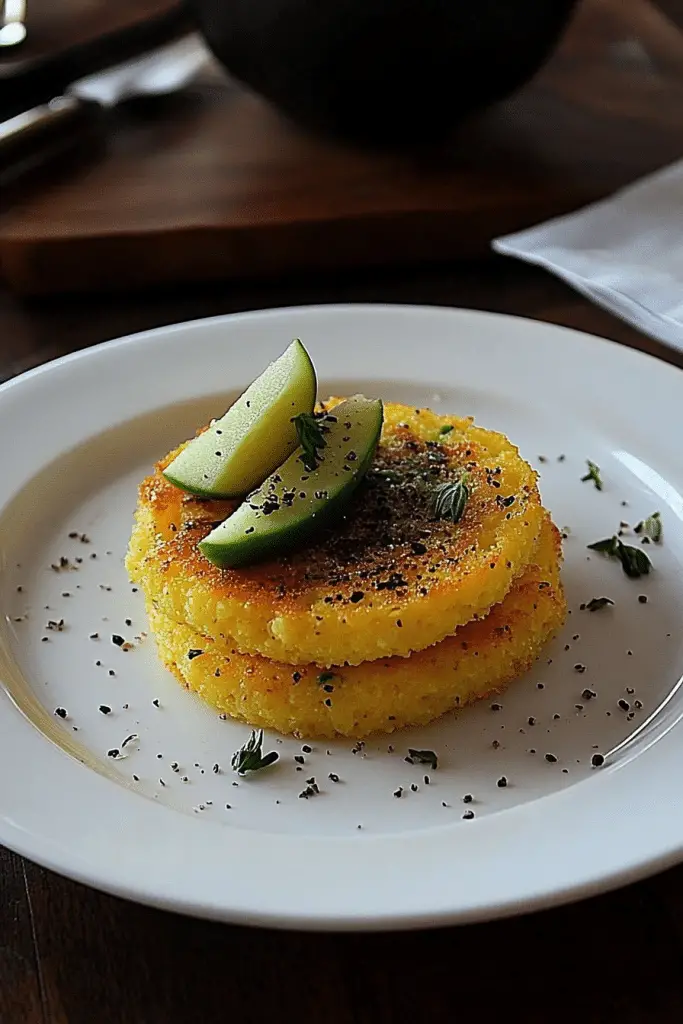
There’s something about crispy, golden edges and creamy interiors that just hits the spot, don’t you think? I remember visiting my grandma’s house on a crisp fall afternoon, and she’d always have this tray of polenta cakes sitting on the counter, smelling like butter and a hint of herbs. That warm, cozy aroma pulls you right in — like a hug you can eat. I always do this when I want something a little special but totally comforting; it’s quick enough for those busy weeknights, yet fancy enough to serve to friends or family. My kids ask for these all the time, and honestly, they disappear in minutes at my house. Trust me, once you try making your own, you’ll be hooked. There’s a kind of magic in these little slices — crunchy on the outside, tender on the inside — and once you get the hang of it, they’re so versatile, you’ll want to make them weekly. I’ve tested these with different cheeses, herbs, even roasted veggies, and each variation is a winner. So, shall we get started on making your new favorite recipe?
What is a polenta cake?
Think of polenta cakes as the savory, slightly crispy cousin of coarse-grain porridge. It’s essentially cooked polenta—think cornmeal—that’s set, chilled, and then sliced into rounds before being fried or baked. The name “polenta” comes from Italy, where it’s been a staple for centuries; it’s like their version of comforting mashed potatoes but with a hearty corn flavor. These cakes are incredibly versatile—you can serve them for brunch, as a snack, or even as a side dish. My favorite thing about polenta cakes is how forgiving they are; you can add cheese, herbs, or even bits of cooked sausage to elevate them to new heights. The beauty is in their simplicity: just a handful of basic ingredients transformed into something crispy, golden, and utterly satisfying. Think of it as a blank canvas—you can go classic or get creative with toppings and fillings. They’re the kind of dish that makes everyone say, “Wow, I didn’t know I loved polenta so much!”
How do I make a Polenta cake?
Quick Overview
If you’re wondering how this all comes together, don’t worry—these polenta cakes are incredibly straightforward. You start with cooked polenta, mix in cheese and herbs for flavor, then pour it into a dish to set — think of it as making a savory pudding. Once chilled, you slice it into rounds, fry them in a hot skillet until golden and crispy, and finish with a drizzle of honey or a sprinkle of fresh herbs if you like. The process is hands-on but simple: no complicated steps or long waits. This makes them perfect for busy nights or last-minute gatherings. Trust me, once you get the hang of it, they come together in about 30 minutes. The secret is in letting the polenta set properly—you want it firm enough to slice, but not so crumbly that it falls apart. Using a well-oiled skillet and medium heat ensures that perfect crispiness on the outside while keeping the inside nice and tender. It’s comfort food at its finest, and once you try it, I promise you’ll be making these all the time!
Ingredients
For the Main Batter:
– 1 cup dry polenta (stone-ground cornmeal, preferably coarse grind for texture)
– 3 cups water or vegetable broth (for extra flavor)
– 1 teaspoon salt
– 2 tablespoons butter or olive oil
– ½ cup grated Parmesan cheese (or your favorite sharp cheese)
– Fresh herbs (like thyme, rosemary, or parsley, chopped – optional)
– Freshly ground black pepper (to taste)
For the Filling:
– More cheese to swirl in (mozzarella, feta, or ricotta)
– Cooked, crumbled sausage or sautéed mushrooms (optional for variation)
– Roasted garlic or caramelized onions (for depth of flavor)
For the Glaze or Topping:
– Honey or balsamic glaze (for a sweet-savory finish)
– Extra herbs for garnish
– A drizzle of olive oil or a splash of lemon juice (for brightness)
Step-by-Step Instructions
Step 1: Preheat & Prep Pan
Set your oven to a low keep-warm setting or have a large skillet heating on medium. Lightly grease a 9-inch square or rectangular baking dish with butter or olive oil. This will help the polenta release easily once cooled and set. I always do this when I want perfect slices without too much fuss. Keep a spatula handy; you’ll need it to smooth and press the mixture evenly. Once the pan is ready, set it aside while you cook your polenta.
Step 2: Mix Dry Ingredients
In a mixing pot, combine your polenta and salt. This first step ensures even distribution of salt and prevents clumping. Use a whisk or fork to blend thoroughly because coarse polenta can sometimes lump together. Proper mixing here creates a smooth, creamy base once the water is added. Doing this step before adding liquids saves you from lumps later on.
Step 3: Mix Wet Ingredients
Bring your water or broth to a gentle boil — I like to add a splash of olive oil or butter into the liquid for extra richness. Slowly pour it into the dry polenta mixture, whisking constantly. Keep stirring until the mixture thickens and starts to pull away from the sides of the pan. It’s kind of like making a thick porridge. Once thickened, stir in your cheese, herbs, and pepper. If you’re feeling adventurous, add a splash of cream or milk here to make it even creamier. Don’t rush this step; patience ensures a silky texture.
Step 4: Combine
Pour the hot polenta mixture into your prepared dish. Use a spatula to spread it evenly. Let it sit for about 10-15 minutes to cool slightly and set. It should be firm enough to hold its shape when you cut it into slices. If you’re in a rush, you can pop it in the fridge and let it chill for a bit longer. I learned this trick after making the mistake of slicing too early — the slices fell apart, and it was a mess, but still delicious!
Step 5: Prepare Filling
If you want to swirl in extra cheese or herbs, now’s the time. Gently fold in or create a marbled effect inside the set polenta. For more flavor, sprinkle cooked sausage or sautéed veggies over the surface before slicing. This is also when you can add roasted garlic bits or caramelized onion layers for a burst of deep, sweet flavor. I love making a small batch of whipped ricotta with lemon zest to dollop on top just before serving—trust me on this one, it’s divine.
Step 6: Layer & Swirl
Once your polenta is firm, cut into rounds with a sharp knife or cookie cutter. For a more rustic look, just slice into wedges. If you’re feeling artsy, layer dollops of sauce, cheese, or herbs and swirl with a skewer for a marbled effect. This creates nice visual interest and lets flavors mingle beautifully. I’ve learned that shallow slices fry better, so keep them about ½ inch thick for the best texture balance.
Step 7: Bake or Fry
For crispy edges, heat a generous splash of olive oil or butter in a skillet over medium heat. Carefully add your slices and cook for about 3-4 minutes per side until golden brown. Alternatively, bake them at 400°F (200°C) on a baking sheet lined with parchment for about 20-25 minutes, flipping halfway through. I prefer the skillet method — it makes them irresistibly crispy. Just keep an eye so they don’t burn — every stove is a little different.
Step 8: Cool & Glaze
Let the cooked polenta cakes rest for a few minutes before serving. If you want to add a touch of sweetness, drizzle honey or balsamic glaze on top while they’re still warm. I find that glazing at this stage adds a beautiful shine and flavor depth. Alternatively, sprinkle with fresh herbs or flaky sea salt to finish. For a fancy touch, I sometimes top with a dollop of sour cream or Greek yogurt—yum!
Step 9: Slice & Serve
Use a sharp serrated knife to cut through cleanly, and serve these with a side salad or alongside roasted veggies. These are perfect warm, but they also taste great at room temperature — ideal for picnics or make-ahead lunches. I love plating them on a rustic wooden board, drizzling a little more glaze, and garnishing with more herbs. The perfect combination of crispy and creamy, these polenta cakes will become your new comfort food obsession.
What to Serve It With
I love pairing these polenta cakes with fresh, crisp salads topped with lemon vinaigrette — a real balance to the richness of the cakes. For brunch, serve them alongside scrambled eggs or a hearty veggie hash, and maybe a cold glass of orange juice or sparkling water. If you’re craving something sweet, a drizzle of honey paired with a dollop of ricotta makes for a delectable dessert-like treat. And for a cozy snack, I like to pair them with a cup of herbal tea or a glass of chilled white wine. My family enjoys these with a simple tomato basil salad or even roasted cherry tomatoes and mozzarella. They also make fantastic finger foods for parties — just double or triple the batch and watch them disappear!
Top Tips for Perfecting Your Polenta Cakes
Over the years, I’ve picked up a few tricks to make these even better:
Zucchini Prep: If you’re adding zucchini, make sure to squeeze out excess moisture after grating. Moisture is the enemy here — it can make your cakes soggy. I like to wrap the grated zucchini in a clean towel and give it a good squeeze.
Mixing Advice: Avoid overmixing once you add the cheese and herbs. The batter should be blended just until combined; overmixing can make the cakes dense instead of tender.
Swirl Customization: For beautiful marbling, dollop your fillings randomly and use a skewer or toothpick to swirl gently. Don’t overdo it — a little goes a long way and makes the cakes look gorgeous.
Ingredient Swaps: Got picky eaters? Swap out Parmesan for Pecorino or nutritional yeast for a cheesy flavor without dairy. Want a spicy kick? Add a pinch of red pepper flakes or chopped jalapeños.
Baking Tips: For uniform browning, make sure your skillet isn’t overcrowded. Use a middle rack if baking, and rotate the pan halfway through. Watch for that perfect golden color — it’s worth it!
Glaze Variations: Not feeling honey? Try balsamic vinegar reduction for a tangy twist. You can also dust with paprika or smoked pepper for a smoky touch. The key is to keep the glaze or topping light and flavorful so it complements, not overwhelms.
Trust me, these little tips have saved me more times than I can count, and I think they’ll do the same for you. Each batch teaches you something new—like how a slightly thicker slice fries up more evenly or how a dash of lemon zest can brighten the whole dish. Experiment, enjoy, and don’t be afraid to put your personal spin on these—it’s your kitchen, after all!
Storing and Reheating Tips
Once you’ve made these polenta cakes, you might wonder how long they last or how best to store them. Here’s my go-to advice:
Room Temperature: If you’re planning to eat them within a couple of hours, keep them covered with a clean towel. They’ll stay fresh for about 2-3 hours this way. Just don’t leave them out too long — polenta can get soggy if it sits in moisture.
Refrigerator Storage: Store leftovers in an airtight container for up to 3 days. I like to keep them separated with parchment paper to prevent sticking. They’ll dry out a bit, but gentle reheating can fix that.
Freezer Instructions: For longer storage, freeze slices on a baking sheet first, then transfer to a zip-top bag. They’ll keep well for up to 2 months. To reheat, just microwave on low or bake at 350°F until warmed through. I’ve tested this—frozen cakes fry up just as nicely as fresh ones.
Glaze Timing: If you want a shiny, gooey glaze, add it *after* reheating. Heating with glaze on can cause it to burn or become too sticky. A quick reheat, then drizzle, is perfect.
Honestly, these storage tips keep the polenta cakes tasting fresh and flavorful, so you can enjoy your homemade treat anytime. Plus, they reheat surprisingly well, which makes batch cooking or meal prepping a breeze.
Frequently Asked Questions
Final Thoughts
Honestly, these polenta cakes have become one of my favorite go-to recipes. They remind me of lazy Sunday mornings at my grandma’s house but are just as good for a quick weeknight dinner or a casual gathering. The best part? They’re so forgiving and versatile—add your own twist, swap ingredients, and make them your own. Every time I make these, I can’t help but smile, knowing that I’ve created something that’s both simple and impressive. So, give them a try, experiment with flavors, and let your kitchen be filled with that irresistible aroma of crispy, cheesy goodness. I’d love to hear how yours turn out—share your variations in the comments or snap a picture for me on social media. Happy baking, and enjoy every bite!

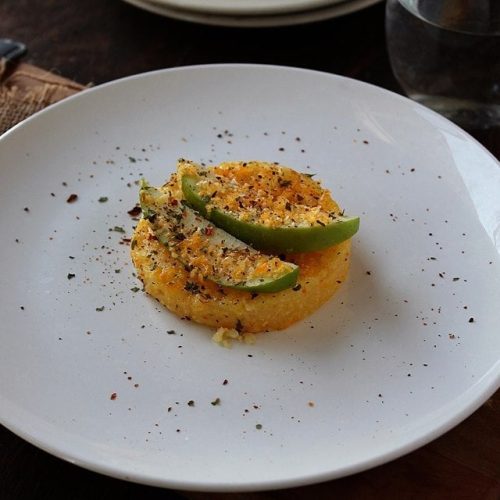
polenta cakes
Ingredients
Main Ingredients
- 5 cups water
- 1 teaspoon salt
- 1 cup corn grits or polenta
- 1 tablespoon extra virgin olive oil
- 1 piece Granny Smith apple, sliced
- 1 cup shredded cheddar cheese
- dash freshly ground pepper
- dash crushed red pepper
Instructions
Preparation Steps
- Pour water into a large saucepan and add salt; bring to a boil.
- Gradually add the corn grits and stir continuously until combined.
- Reduce heat to low and cook until mixture thickens, about 30 minutes, stirring often. Line a dish with plastic wrap.
- Pour the cooked polenta into the prepared dish and let it set in the refrigerator for about 2 hours.
- Lift the set polenta out of the dish and cut into 6 to 8 circles using a round cutter.
- Heat a skillet over medium heat and add 1 tablespoon of olive oil. Cook the polenta circles until golden on both sides.
- Top the polenta cakes with sliced apples and shredded cheddar cheese.
- Season with freshly ground pepper and crushed red pepper. Serve hot.
Notes
Featured Comments
“Impressed! Clear steps and crowd-pleaser results. Perfect for busy nights.”
“New favorite here — spot on. crowd-pleaser was spot on.”
“Super easy and turned out amazing! My family asked for seconds. Saving this one.”
“This sweet treat was absolutely loved — the rich really stands out. Thanks!”
“Made it tonight and wow — perfect for busy nights! Will definitely make Savory Apple Cheddar Polenta Cakes Recipe again.”
“Packed with flavor and so simple. Exactly what I wanted from Savory Apple Cheddar Polenta Cakes Recipe.”