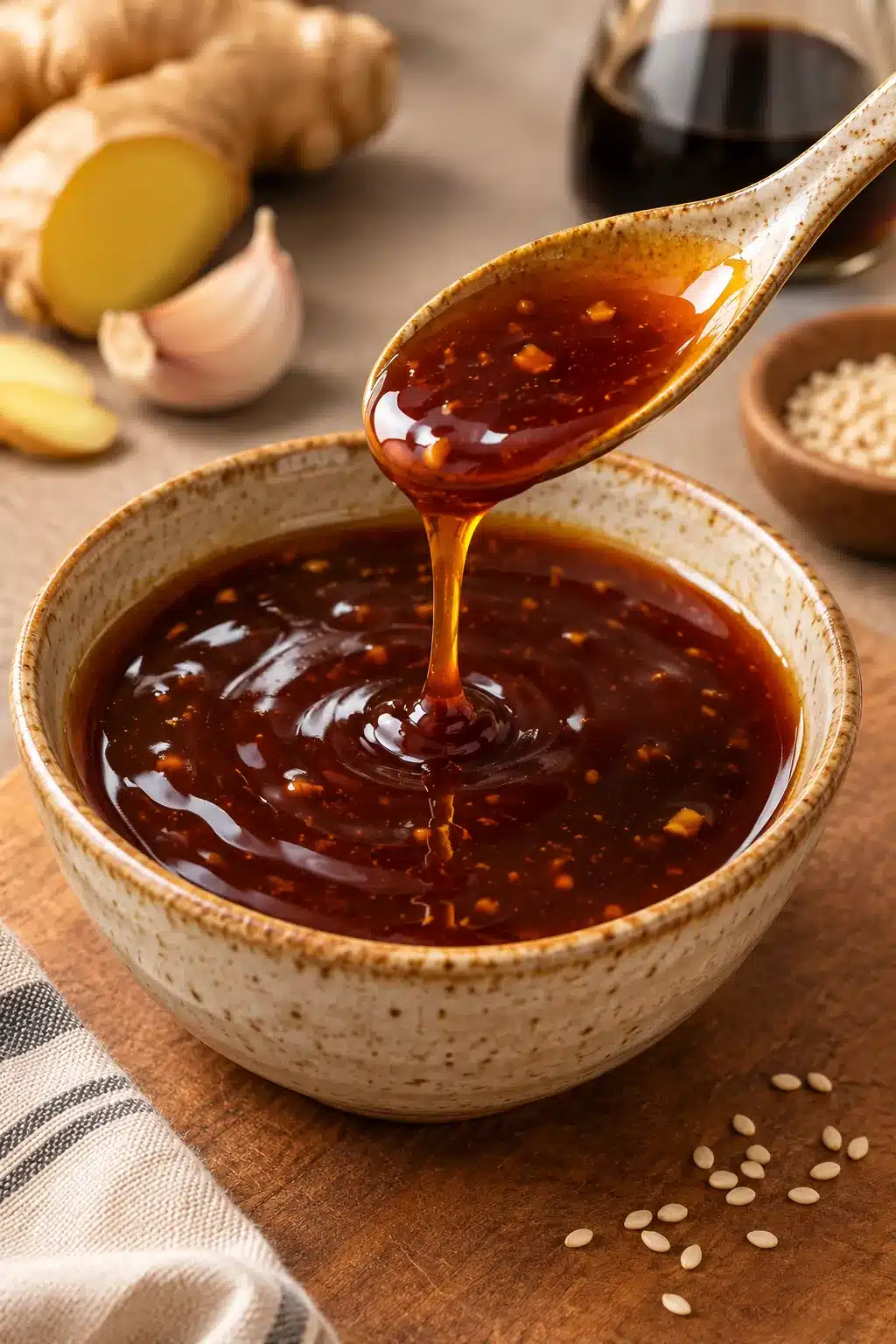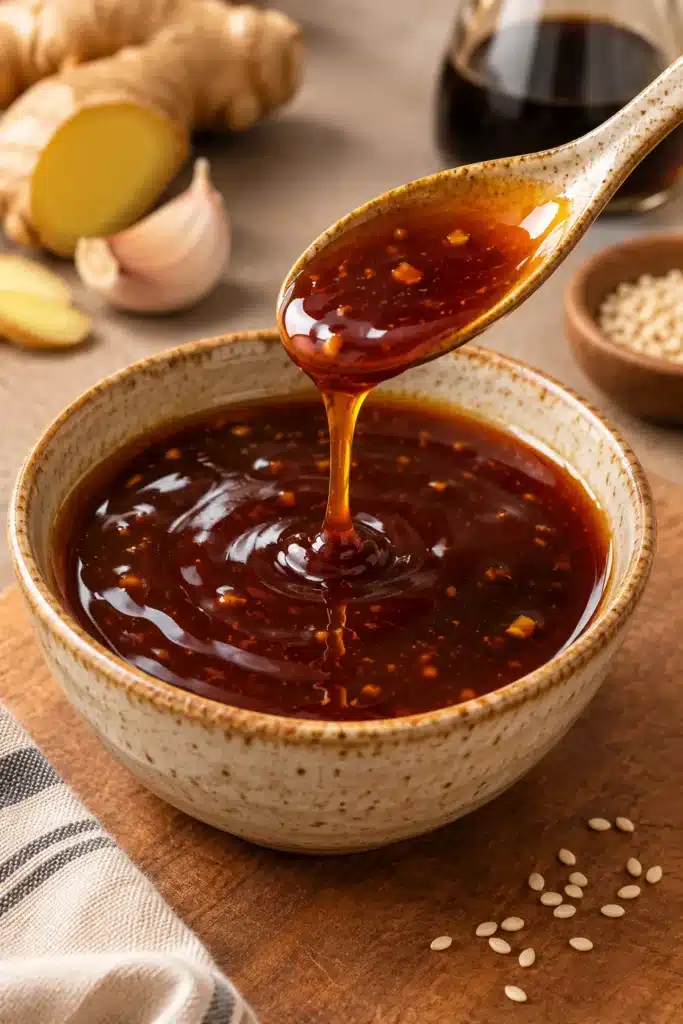
This homemade teriyaki sauce turns four familiar ingredients into a glossy, savory glaze with a clean Japanese-inspired flavor. Soy sauce brings salt and depth, mirin adds gentle sweetness, sake rounds out the aroma, and water gives the mixture room to reduce. The sauce takes only a few minutes of simmering, so it is useful for a quick dinner, a make-ahead marinade, or a finishing drizzle when plain rice and vegetables need more character.
What is homemade teriyaki sauce
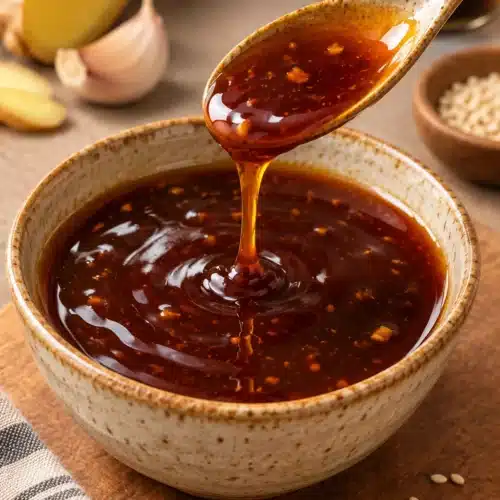
Homemade teriyaki sauce is a reduced mixture of soy sauce, mirin, Japanese cooking wine, and water. Unlike a thick bottled sauce, this version starts light and becomes glossy as moisture cooks away. The finished consistency should be like a light syrup: fluid enough to pour, but thick enough to cling to food. The reduction concentrates the seasoning, so a small amount goes a long way.
This recipe makes about eight servings of sauce. The yield is flexible because the sauce can be reduced a little more for a glaze or stopped sooner for a thinner marinade. Let it cool before using so the flavor settles and the texture reaches its final consistency.
Why this sauce works
The equal portions make the recipe easy to remember and keep the flavor balanced. Soy sauce supplies umami and salt, while mirin and sake add layered sweetness and fragrance rather than a single sugary note. A wide saucepan helps steam escape efficiently, but any small saucepan works if you allow a little extra time. Gentle simmering is the important part: a hard boil can reduce the liquid too quickly around the edges.
How to make teriyaki sauce
Ingredients
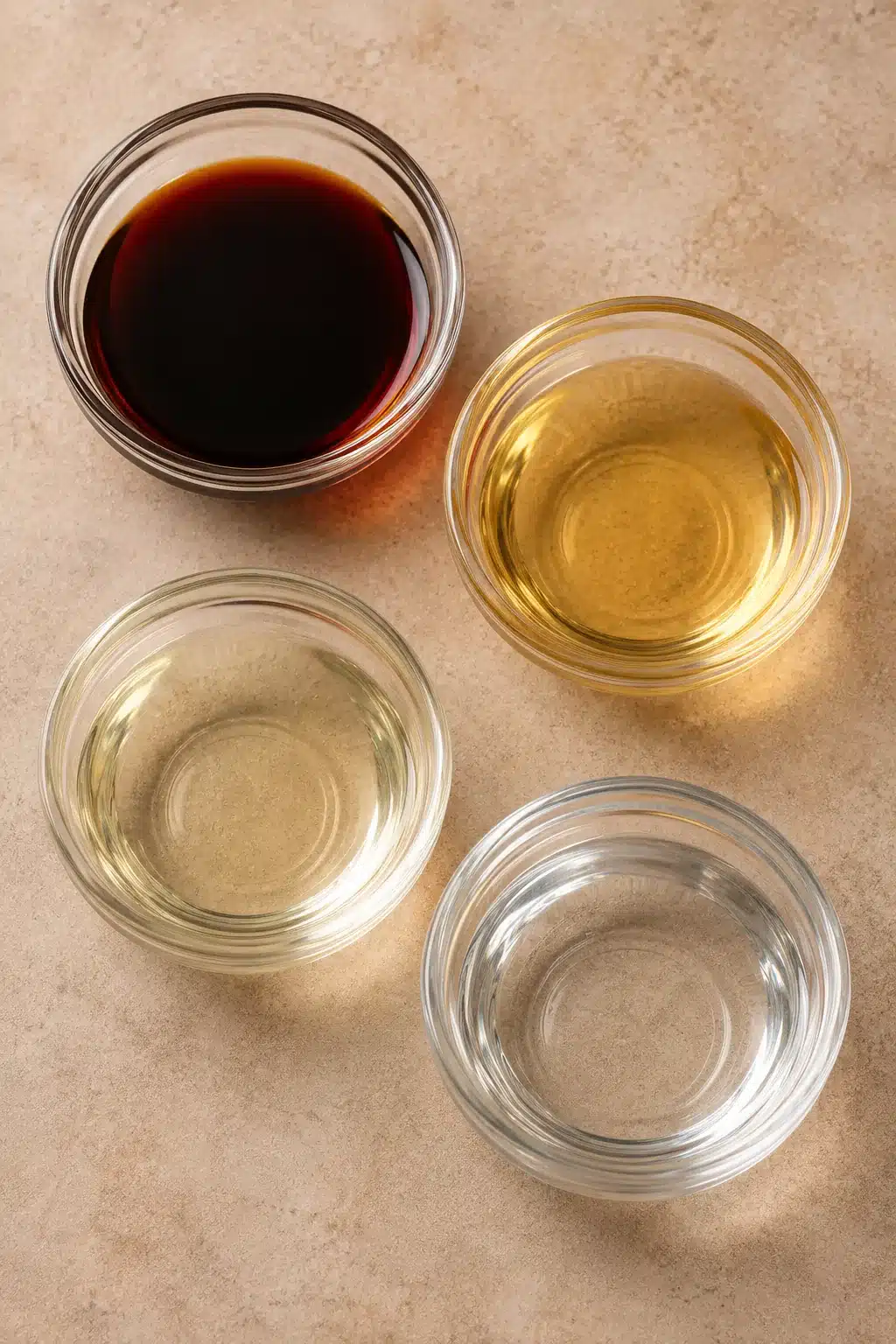
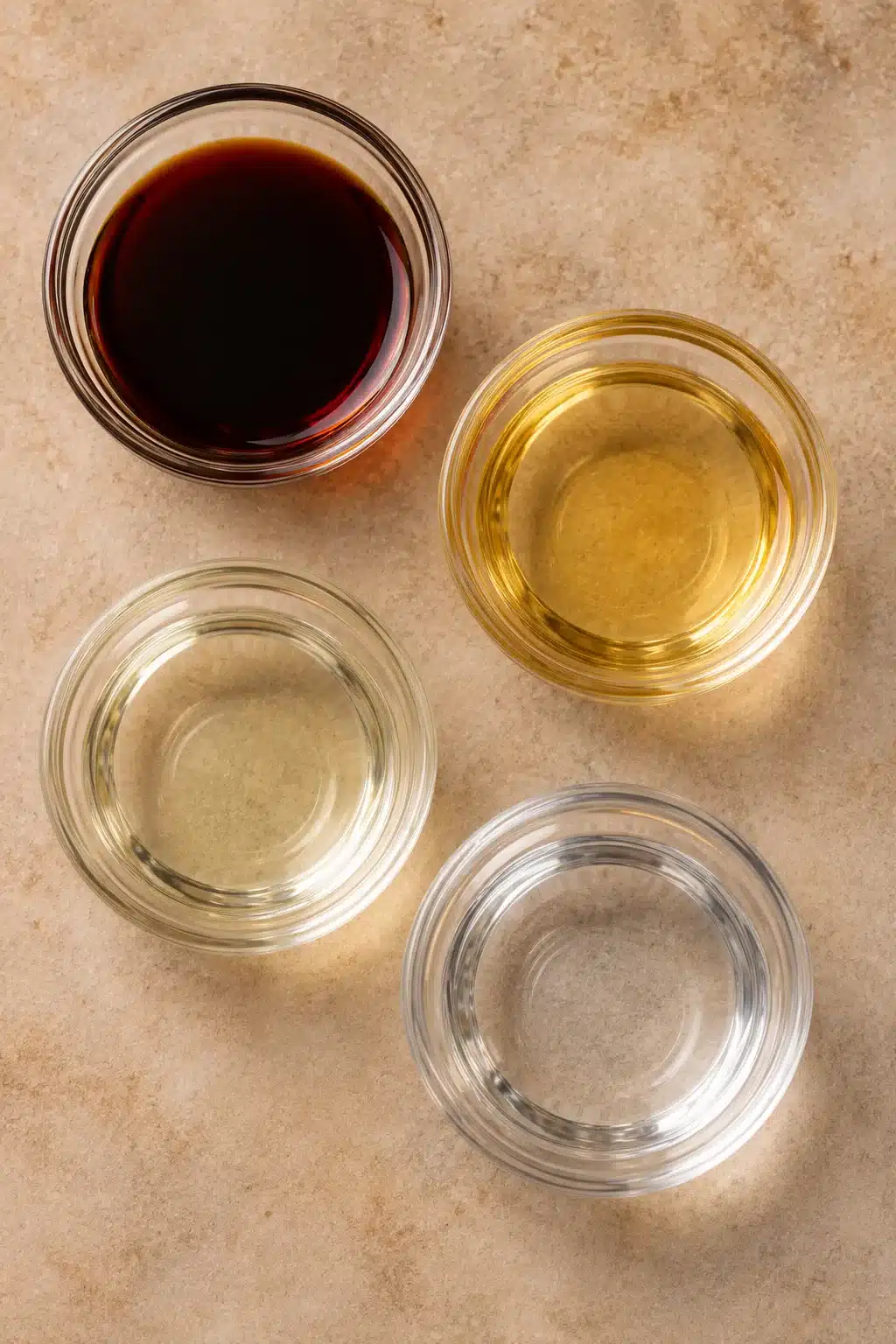
- 1/4 cup soy sauce
- 1/4 cup mirin
- 1/4 cup Japanese cooking wine (sake)
- 1/4 cup water
Combine and reduce
- Combine the soy sauce, mirin, sake, and water in a saucepan.
- Bring the mixture to a boil, then reduce the heat and simmer until it reduces by half and looks like a light syrup.
- Cool the sauce to room temperature before using.
Choose a saucepan with enough surface area for the liquid to reduce evenly. Add all four ingredients before turning on the heat and stir once to combine. Bring the mixture to a boil, then lower the heat to a steady simmer. Watch the color and texture rather than relying only on the clock; the sauce is ready when it has reduced by half and coats a spoon lightly.
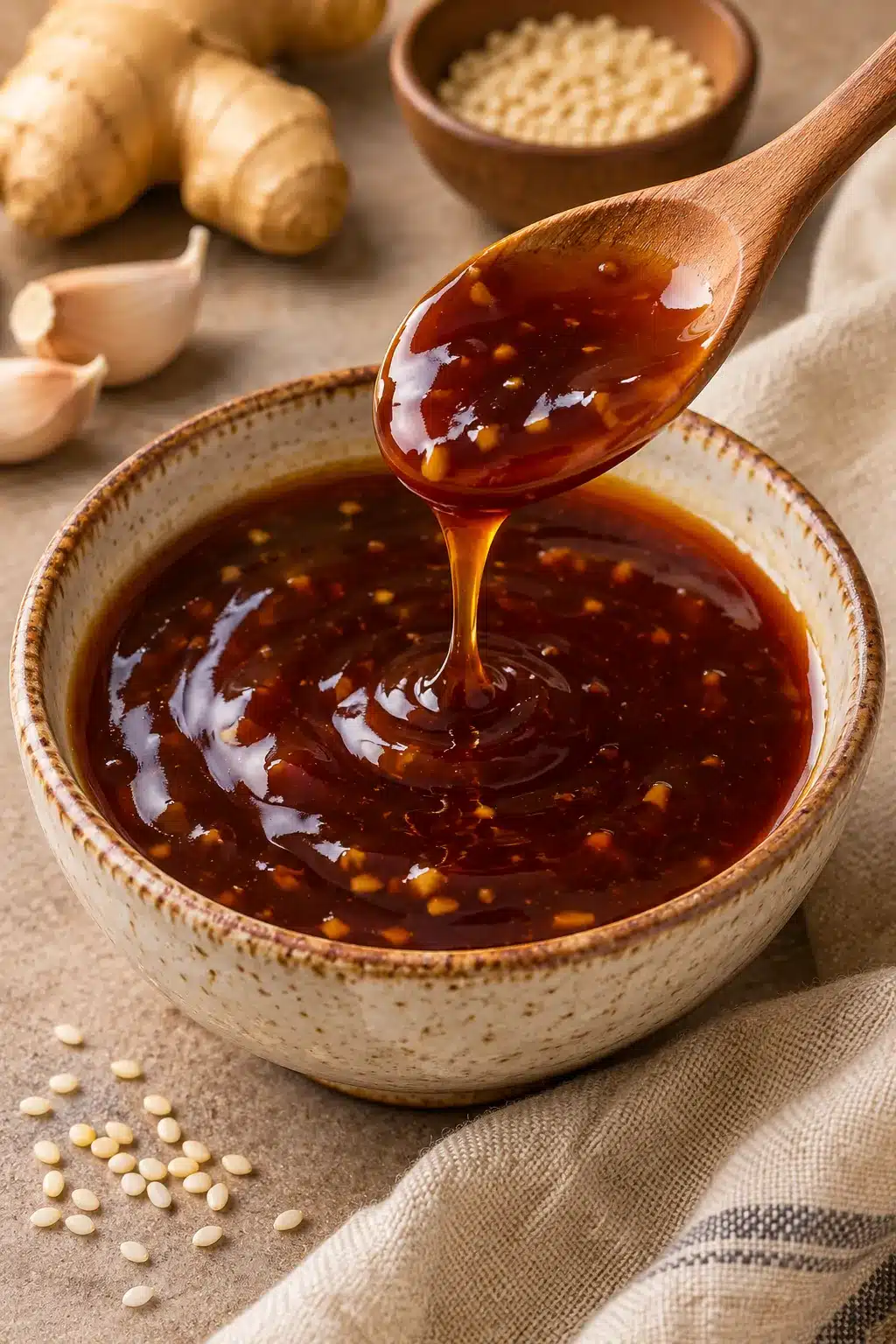
Remove the pan from the heat and let the sauce cool to room temperature. It will continue to thicken slightly as it cools. If it becomes too thick, loosen it with a teaspoon of water at a time. If it is too thin for a glaze, return it to low heat for another minute or two.
How to use it
Use three to four tablespoons of sauce per pound of meat as a marinade. Chicken, beef, and salmon pair especially well with the strong savory flavor. For fish, keep the marinating time short because the sauce can overpower delicate flesh. You can also brush it over food during grilling, broiling, pan-frying, or barbecuing. Brush at least once near the end of cooking so the sauce becomes shiny without burning.
For a quick pan sauce, cook your protein first and remove it from the pan. Add a splash of water to the browned juices, swirl in a few tablespoons of teriyaki sauce, and simmer until glossy. Drizzle the result over rice, noodles, roasted vegetables, or steamed greens.
Tips and an optional variation
Use regular soy sauce rather than adding extra salt elsewhere in the dish. Keep the simmer moderate and use a light-colored spoon if you want to judge the shade accurately. The sauce should pour in a smooth ribbon and leave a thin coating on the spoon. Stir occasionally, especially if using a narrow pan, and take it off the heat as soon as it reaches the light-syrup stage.
Optional variation: add a thin slice of fresh ginger or a lightly crushed garlic clove while the sauce simmers, then strain it before cooling. This changes the aroma while keeping the core recipe intact. Do not add the variation if you need the clean four-ingredient flavor for a delicate dish.
Serving and pairing ideas
Serve the sauce with steamed rice and vegetables for a simple bowl, or use it to finish grilled chicken skewers. It also works with roasted mushrooms, crisp tofu, salmon, beef strips, and stir-fried greens. Add sesame seeds or sliced scallions at the table if you want texture and freshness. Since the sauce is concentrated, start with a small drizzle and add more after tasting.
Storage and reheating
Cool the sauce promptly, transfer it to a clean covered container, and refrigerate it. Use it within several days and always use a clean spoon when serving. Rewarm only the amount you need in a small pan or microwave-safe bowl. If the chilled sauce thickens, stir in a splash of water until it returns to a pourable consistency.
Recipe FAQs
A short simmer is all this homemade teriyaki sauce needs to become glossy, fragrant, and ready for the week’s meals. Cool it before using, add it gradually, and let the balanced soy, mirin, and sake flavors do the work.

Homemade Teriyaki Sauce
Ingredients
Ingredients
- 1/4 cup soy sauce
- 1/4 cup mirin
- 1/4 cup Japanese cooking wine (sake)
- 1/4 cup water
Instructions
Instructions
- Combine the soy sauce, mirin, sake, and water in a saucepan.
- Bring the mixture to a boil, then reduce the heat and simmer until it reduces by half and looks like a light syrup.
- Cool the sauce to room temperature before using.