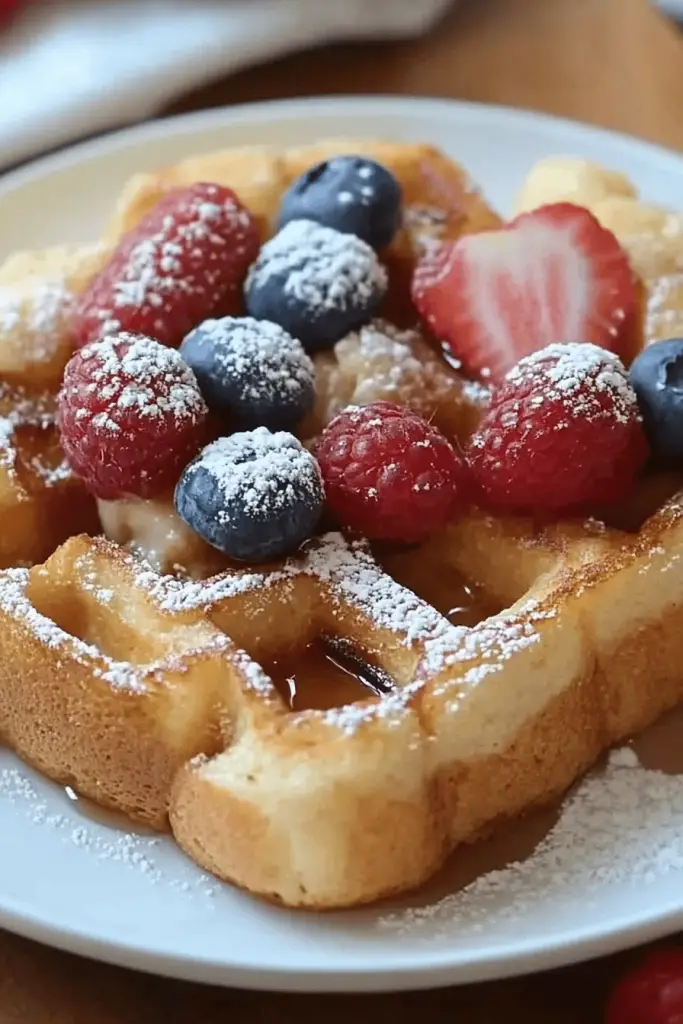
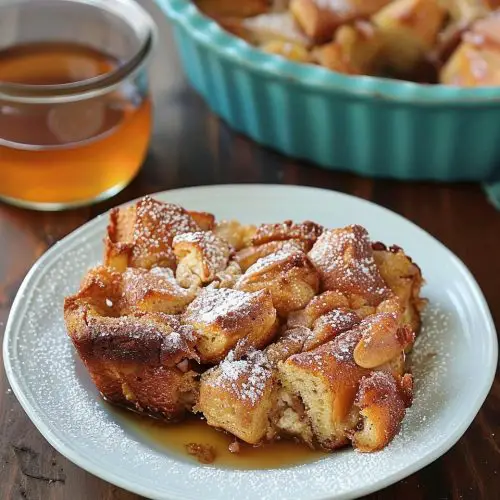
The scent of cinnamon and vanilla drifting through the kitchen at dawn always takes me back to weekends at grandma’s house. I’d find a loaf of day-old bread, a big bowl, and a mug of coffee waiting for me. This baked French Toast isn’t just a breakfast—it’s a memory, a hug, a whisper that “you’re taken care of.” It’s incredibly forgiving, too. We let the bread soak while we sip our coffee, and when it hits the oven, the whole house gets cozily warm. It’s not scary to make, and you can dress it up or keep it simple. Think of it as the grown-up version of classic French toast that still feels homey enough for Sunday morning chaos. I always make this when we’re entertaining, or when the kids have friends over and everyone needs something which tastes like a warm, gooey hug. This baked french toast is a favorite because it’s delicious, feeds a crowd, and makes mornings feel special without turning the kitchen into a full-blown ballet of pans and stoves. If you’ve got a busy weekend, this is your lifesaver—easy, forgiving, and endlessly comforting.
What is baked French toast?
Think of baked french toast as the casserole version of the breakfast classic. It’s essentially silky, custardy bread slices bathed in a cinnamon-vanilla batter, baked until the edges turn a touch crisp and the center stays soft and creamy. The “baked” part means you can assemble it ahead of time and wake up to a ready-to-bake pan—no babysitting the stove while everyone else is juggling coffee mugs. The name comes from the method: bread, soaked overnight or for a few hours, is arranged in a baking dish and cooked as a single, shareable portion. This version often includes a Cream Cheese swirl or a sweet glaze, which makes it feel special without extra effort. If you’ve ever wished for a brunch-savvy dish that still feels entirely comforting, you’ve found your go-to recipe in baked french toast.
How to Make Baked French Toast
Quick Overview
This method is all about balance: you soak sturdy bread until it’s custardy but not falling apart, then bake until the top is lightly browned and the inside remains dreamy and soft. The beauty is that you can assemble the night before and bake in the morning, giving you extra moments to greet guests with a smile and a fresh pot of coffee. The result isn’t dry or heavy—it’s rich, comforting, and just the right amount of indulgent. If you’ve ever worried about getting soggy bread, rest easy: the custardy batter stays evenly distributed, and the bake time is forgiving for most standard loaf sizes.
Ingredients
For the Main Batter:
- 6 cups day-old bread, cubed ( challah or brioche are ideal, but sturdy sandwich bread works too)
- 3 large eggs
- 2 cups whole milk or a mix of milk and cream for extra creaminess
- 1/2 cup granulated sugar
- 2 teaspoons vanilla extract
- 1 teaspoon ground cinnamon
- Pinch of salt
- Optionally: 1/4 teaspoon almond extract for a nutty aroma
For the Filling:
- 4 ounces cream cheese, softened
- 2 tablespoons powdered sugar
- 1/2 teaspoon vanilla extract
- Optional: a handful of fresh berries or finely grated lemon zest for brightness
For the Glaze:
- 1 cup powdered sugar
- 2–3 tablespoons milk or cream
- 1/2 teaspoon vanilla extract
- Optional: a splash of maple syrup or cinnamon for warmth
Step-by-Step Instructions
Step 1: Preheat & Prep Pan
Preheat your oven to 350°F (175°C). Lightly grease a 9×13-inch baking dish with butter or nonstick spray. If you’re making the Cream Cheese swirl, have it ready to go and at room temperature so it blends smoothly.
Step 2: Mix Dry Ingredients
In a large bowl, whisk together the sugar, cinnamon, and a pinch of salt. This is your flavor foundation, so give it a good stir to wake up the spices. The goal is an even, cozy scent throughout the dish, not pockets of raw sugar.
Step 3: Mix Wet Ingredients
In a separate bowl, beat the eggs. Add the milk (or cream/milk blend), vanilla, and almond extract if you’re using it. Whisk until the mixture is uniform and lightly foamy—the air helps keep the texture light and cake-like rather than rubbery.
Step 4: Combine
Pour the wet mixture into the dry ingredients and whisk until just combined. It should look like a loose custard. If you overmix, the texture can get tough; we’re aiming for a gentle, even pour.
Spread the cubed bread evenly in the prepared pan. If you’re adding fruit, scatter it in now so it distributes with the slices.
Step 5: Prepare Filling
In a small bowl, whip the Cream Cheese with powdered sugar and vanilla until smooth. If you want a more intense swirl, you can add a teaspoon of lemon zest or a splash of maple. You’re aiming for a creamy, pipe-able consistency that holds its shape a little when dolloped.
Step 6: Layer & Swirl
Dollop spoonfuls of the cream cheese mixture between layers of bread or swirl it across the top. If you love a marbled look, gently drag a knife through the batter to create ribbons of cream cheese as the bread bakes. You’ll get little pockets of tangy richness that pop as you bite in.
Step 7: Bake
Pour any remaining batter over the top to ensure all the bread gets a bath. Bake in the center of the oven for 35–45 minutes, until the edges are golden and the center barely jiggles when you tap the pan. If your loaf pieces are extra thick or you’re using a slower oven, you may need up to 50 minutes. If you see the top browning too fast, tent with a small piece of foil for the last 5–10 minutes.
Step 8: Cool & Glaze
Let the baked french toast rest for about 10 minutes before glazing. A warm glaze will run a bit, but a gentle drizzle after resting helps keep slices neat. Whisk the glaze ingredients until smooth, then spoon or drizzle across the surface. If you want a lighter glaze, add a splash more milk; for a deeper maple flavor, replace part of the milk with a touch of real maple syrup.
Step 9: Slice & Serve
Cut into squares and serve with extra berries, whipped cream, or a dollop of yogurt for tang. This is best enjoyed warm with a cup of coffee or a glass of cold milk. My favorite way to finish is to add a few flakes of sea salt on top—yes, a tiny pinch—because it heightens the sweetness just enough. If you’ve got leftovers, refrigerate in an airtight container and rewarm gently in the oven or toaster oven until just warmed through.
What to Serve It With
Serving baked french toast feels like hosting a little indulgence that still keeps the table simple and cozy. Here are a few pairing ideas that I reach for depending on the day.
For Breakfast: A fresh pot of coffee, a bowl of mixed berries, and a light yogurt parfait. The bright acidity from berries counterbalances the custard sweetness, giving your plate balance and a pop of color.
For Brunch: A splash of orange juice and a sparkling-option like a light almond milk latte or a mimosa. A few citrus wedges on the side add a pretty, fragrant note that wakes up the palate.
As Dessert: A scoop of vanilla bean ice cream or lightly whipped cream. A drizzle of maple syrup or a kiss of caramel sauce makes the dish feel extra special after a long day.
For Cozy Snacks: A warm mug of cinnamon chai or hot chocolate. In your kitchen, the aroma of cinnamon is a “come here” signal—everyone will drift toward the table with sleepy smiles.
In our family, this dish often marks the transition between seasons. We’ll swap in apples and pecans in the fall or add lemon zest and blueberries in the spring. It just feels right for the moment, like a little celebration baked into a loaf pan.
Top Tips for Perfecting Your Baked French Toast
These are the tweaks I’ve learned after making this countless times. They’re small, but they push the dish from good to “I’ve got to make this again soon.”
Bread Prep: Use day-old bread; it soaks up the custard without dissolving into mush. If your bread is fresh, you can toast the cubes lightly to dry them out a touch before soaking. A stiffer bread holds shape and delivers that perfect bite.
Mixing Advice: Whisk until just combined for the batter. Overmixing makes the texture feel dense. If you notice a few lumps, don’t panic—that’s just the bread catching on the custard in the oven, which is totally fine.
Swirl Customization: The cream cheese swirl is optional, but it adds a lovely tang. For variation, try ricotta with a splash of vanilla and a handful of blueberries; the marbling looks gorgeous and tastes bright.
Ingredient Swaps: For a lighter version, use 1% milk and reduce the sugar to 1/3 cup. You can also use almond milk for a dairy-free take; it softens with the bread fat and yields a creamy texture that’s surprisingly indulgent.
Baking Tips: If your oven runs hot, bake at 325–350°F and check a little earlier. If the top browns too quickly, tent with foil. A water bath is optional but can help keep the center from drying out on drier days.
Glaze Variations: For a glossy finish, whisk in a tablespoon of cream cheese into the glaze, or add a splash of lemon juice for brightness. If you want a dairy-free glaze, swap in coconut milk and a pinch of vanilla.
My best tip: plan to bake this when you know you’ll have someone to share it with. It makes the entire house feel like a warm hug, and the compliments will start rolling in—trust me on this one.
Storing and Reheating Tips
Storage is simple, and the dish still tastes great when you’re ready for round two later in the week. Here’s how I keep it at its best.
Room Temperature: If you’ve just baked it for a weekend brunch, you can leave cooled leftovers covered on the counter for a few hours, but I wouldn’t stretch it beyond half a day. The goal is to keep the bread from drying out while the glaze stays glossy.
Refrigerator Storage: Store in an airtight container up to 3 days. Reheat individual servings in a 350°F oven or toaster oven for 8–12 minutes, until warm and a little crisp on the edges.
Freezer Instructions: This one freezes well if wrapped tightly in plastic and foil. Thaw overnight in the fridge, then rewarm in the oven at 325–350°F until heated through. If using cream cheese in the filling, thawing fully helps the texture stay cohesive after reheating.
Glaze Timing Advice: If you’re freezing, skip glazing until you’re ready to serve. Reheat the toast, then drizzle on the glaze just before slicing. The glaze stays feeling fresh and shiny that way.
In our house, I usually bake a double batch for holiday mornings. It’s the kind of dish that freezes well enough to feel like a tiny miracle on a busy day, and I’m always grateful for that one less thing to worry about when relatives descend with their appetites and warm greetings.
Frequently Asked Questions
Final Thoughts
If you’ve stuck with me this far, you know baked french toast isn’t just a recipe—it’s a little ritual. It’s the kind of dish that says “I’ve got you” before anyone even speaks. The results are forgiving, the flavors comforting, and the process feels like a cozy morning conversation with a friend. It’s a dish I keep returning to because it’s easy to love and hard to mess up, which is exactly the kind of kitchen companion I value. If you try this, I’d love to hear how you customized it—did you add berries, try almond milk, or swirl in a different cream cheese mix? Leave a comment below, rate it, and tell me what your family liked best. Happy baking, friend, and may your mornings be as warm as this toast!

Baked French Toast
Ingredients
Main Ingredients
- 8 slices bread day-old challah or brioche recommended
- 4 large eggs
- 2 cups milk whole milk preferred
- 0.5 cup granulated sugar
- 2 teaspoons ground cinnamon
- 0.5 teaspoon ground nutmeg
- 1 teaspoon vanilla extract
- 2 tablespoons butter melted, for greasing the dish
Instructions
Preparation Steps
- Preheat your oven to 350°F (175°C). Grease a 9x13 inch baking dish with melted butter.
- Arrange the bread slices in a single layer in the prepared baking dish.
- In a large bowl, whisk together the eggs, milk, granulated sugar, cinnamon, nutmeg, and vanilla extract until well combined.
- Pour the egg mixture evenly over the bread slices, ensuring all pieces are coated.
- Let the casserole sit for at least 10 minutes (or up to overnight in the refrigerator) to allow the bread to soak up the liquid.
- Bake for 35-40 minutes, or until the French toast is golden brown and puffed up.
- Serve warm with your favorite toppings like maple syrup, powdered sugar, or fresh fruit.
Notes
Featured Comments
“Impressed! Clear steps and crowd-pleaser results. Perfect for busy nights.”
“New favorite here — restaurant-level. crowd-pleaser was spot on.”
“Super easy and turned out amazing! My family asked for seconds. Saving this one.”
“This sweet treat was absolutely loved — the hearty really stands out. Thanks!”
“Made it tonight and wow — quick weeknight win! Will definitely make baked french toast again.”
“Packed with flavor and so simple. Exactly what I wanted from baked french toast.”