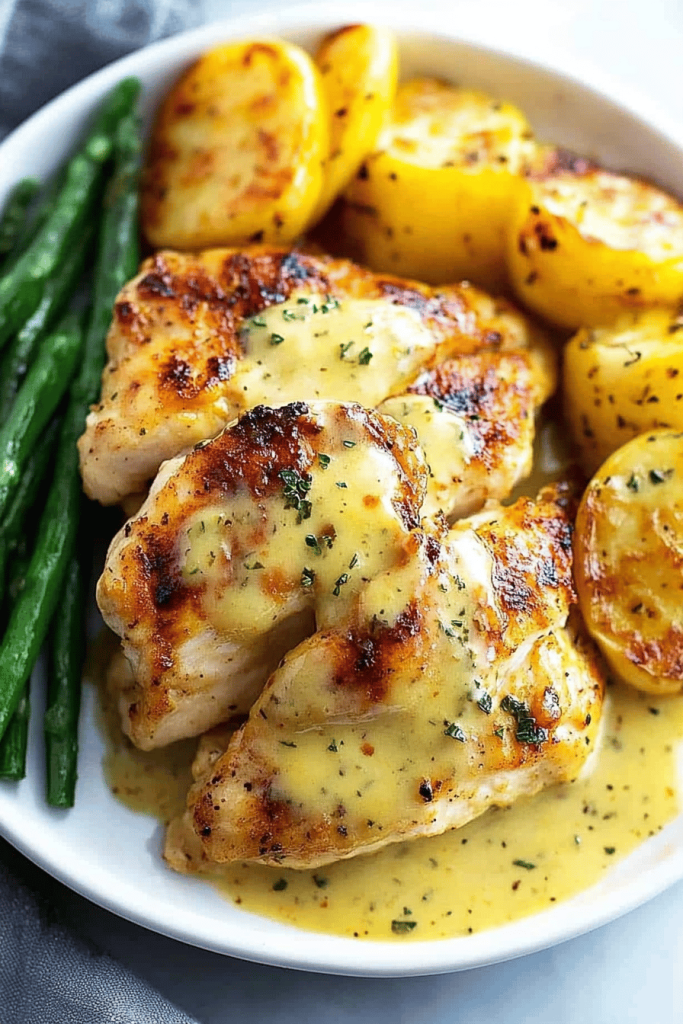
I always think of Dijon Rosemary Chicken as the warm hug you need after a long day. The scent alone—rosemary spinning through the kitchen, a sharp strike of Dijon waking everything up, then a gentle kiss of garlic—takes me straight back to Sunday dinners at grandma’s house. It’s not flashy, but it’s profoundly comforting and, best of all, incredibly forgiving. I make this on weeknights when I’m juggling work, kid schedules, and a runaway pot of boiling water on the stove, and somehow it still tastes like a little celebration. If you’ve ever compared a simple roasted chicken to a fancy entrée and felt disappointed, this Dijon Rosemary version is where the magic hides—in the contrast of bright mustard with herby warmth, and in the way the chicken stays juicy while the skin crisps to a perfect golden edge. This dish is a bit like a classic Roast Chicken with a modern twist, and yes, it really is as easy as it sounds. I’ve got a lifetime of little tweaks I’ve learned along the way, and I can’t wait to share them with you.
What is Dijon Rosemary Chicken?
Dijon Rosemary Chicken is essentially a tender, rolled Chicken Breast (a roulade) stuffed with a garlicky, herbaceous filling, slathered in a tangy Dijon glaze, and roasted until the center stays juicy and the outside gains a delicate crisp. Think of it as a friendly upgrade to your weeknight roast—bright with mustard, fragrant with rosemary, and light on your time. The name says it all: Dijon for that characteristic tang, rosemary for perfume and warmth, and chicken as the cozy canvas we all reach for when we want something familiar but a little more special. It’s the kind of dish you can customize with lemon zest, a splash of cream in the filling, or a final brush of glaze that makes the kitchen smell like a bakery in the best possible way. It’s essentially a showpiece you can pull off on a Tuesday without losing sleep over it, and you’ll find yourself reaching for it again and again.
How to Make Dijon Rosemary Chicken
Quick Overview
This recipe walks you through getting a roaringly hot pan or sheet pan ready, then turning a simple chicken into a delicate, rolled centerpiece. You’ll mix a dry-brined rub with Dijon-laced wet ingredients, spread a herb butter filling inside, roll it up, and bake until the center reads 165°F. A final brush of honey-Dijon glaze adds a glossy finish and a whisper of sweetness. The beauty is in the method: you don’t need fancy equipment or long hours. A sharp knife, a steady hand, and a couple of smart tweaks—like patting the chicken dry and resting it after baking—are all you really need to lock in flavor and juiciness.
Ingredients
For the Main Batter:
- 2 large boneless, skinless chicken breasts, lightly pounded to 1/4 inch thickness
- 2 tablespoons Dijon mustard
- 1 tablespoon olive oil
- 1 teaspoon sea salt
- 1/2 teaspoon freshly ground Black Pepper
- 1 tablespoon fresh rosemary, finely chopped
- 2 cloves garlic, minced
For the Filling:
- 4 tablespoons unsalted butter, softened
- 1 tablespoon fresh rosemary, finely chopped
- 1 clove garlic, minced
- 1 teaspoon lemon zest (optional, for brightness)
- Pinch of salt and a few grinds of black pepper
For the Glaze:
- 2 tablespoons Dijon mustard
- 1 tablespoon honey
- 1 teaspoon lemon juice
- Pinch of chili flakes (optional, for a tiny kick)
Step-by-Step Instructions
Step 1: Preheat & Prep Pan
Heat your oven to 375°F (190°C). Lightly grease a shallow baking dish or line a sheet pan with a light coat of oil. If you’re using a sheet pan, a touch of oil on the surface helps the roulade brown evenly and avoid sticking. Pat the chicken dry with paper towels—this is the small trick that makes a huge difference in texture. Dry surfaces caramelize better, giving you that irresistible golden crust.
Step 2: Mix Dry Ingredients
In a small bowl, whisk together the salt, pepper, chopped rosemary, and a pinch of paprika if you like a subtle smokiness. The dry rub is where you start layering flavor, so don’t skip this step. You’ll sprinkle this over the chicken before you roll it, and it helps form a crust that stays crisp as it bakes.
Step 3: Mix Wet Ingredients
In another bowl, combine the Dijon mustard, olive oil, and minced garlic. The mustard isn’t just a tangy accent; it helps keep the chicken juicy and gives the glaze something to cling to as it bakes. If you want a touch of brightness, add a squeeze of lemon juice to this mixture as well.
Step 4: Combine
Brush each chicken breast with the wet mixture, then sprinkle the dry rub evenly over both sides. If you’ve pounded the breasts thin enough, you’ll feel the surface become glossy and well-coated. This is the moment the flavors start to set in—don’t rush it, and make sure every inch is covered.
Step 5: Prepare Filling
In a small bowl, blend the softened butter with minced garlic, chopped rosemary, a pinch of salt, and lemon zest if you’re using it. The butter should be soft but not melty—softened butter creates a creamy, spreadable filling that’s easy to spread along the center of the chicken. If you’re a garlic lover, you can add a second minced clove; if you’re sensitive to garlic, go lighter. My family loves a punch of aroma here, so I lean into the garlicky notes.
Step 6: Layer & Swirl
Lay the pounded chicken breasts open, side by side. Spread the filling along the center of each breast, then roll tightly from the long edge to create a spiral. Tie the roulades with kitchen twine at 1-inch intervals to keep the filling in place while they bake. This is where you can get creative: for a more dramatic swirl, you can press the filling to the edges as you roll, creating visible spirals when sliced. If you’d rather skip twine, you can tuck the filling in and roll snugly; just be mindful that the roll holds together as it bakes.
Step 7: Bake
Place the roulades seam-side down and bake for about 25–30 minutes, or until an instant-read thermometer inserted into the center reads 165°F (74°C). If you have a convection setting, you can switch it on for a few minutes at the end to help the exterior crisp a touch more. Don’t rely on color alone; the internal temperature is your best guide for doneness and juiciness. If your rolls look a little pale at the 25-minute mark, give them a quick spin to ensure even browning and an appetizing crust.
Step 8: Cool & Glaze
Remove the roulades from the oven and let them rest for about 5–8 minutes. Resting helps the juices redistribute, so you don’t end up with a dry slice. While they rest, whisk together the glaze ingredients until smooth. Warm the glaze slightly if it’s too thick—it should be pourable but not runny. Brush a light sheen of glaze over the top of the roulades, then slice the rest after the final rest. The glaze adds a glossy finish and a touch of sweetness that rounds out the tangy Dijon beautifully.
Step 9: Slice & Serve
Slice the roulades into medallions about 3/4-inch thick. A sharp knife is your best friend here; a clean slice reveals the pretty spiral and the creamy filling inside. Plate with a little extra glaze on top, and consider a bright green vegetable on the side—roasted broccoli or green beans work especially well to balance the richness. A side of rustic potatoes or a simple arugula salad keeps the meal light and satisfying. If you’ve got leftovers, they’re fantastic cold on a leafy salad or tucked into a wrap with a dollop of yogurt-dill sauce.
What to Serve It With
Every good roast deserves accompaniments that sing. Here are a few ideas categorized by moment, with a little personal touch from my kitchen:
For Breakfast: If you’re mid-mortgage-debt-and-dawn reality but still crave something delicious, thin slices of the Dijon Rosemary Chicken pair beautifully with a bright, yogurt-dill drizzle and a couple of fried eggs. Serve alongside roasted potatoes or a quick herb-tilled hash to keep things hearty and satisfying. It’s the kind of morning-after trick I reach for when I’ve got family in town and a busy schedule waiting—simple, indulgent, and deeply comforting.
For Brunch: Pan-sliced chicken served warm with a dollop of herbed yogurt or sour cream, a few lemon wedges, and crusty bread to mop up every last bite. A light, sparkling beverage—prosecco or a citrusy elderflower spritz—keeps things celebratory without getting heavy. My favorite trick is to drizzle a little extra glaze over the slices just before serving; it looks gorgeous and adds a pop of tangy sweetness that brightens the whole plate.
As Dessert: I know it sounds odd to pair chicken with dessert, but here’s a playful workaround: finish the meal with grilled peaches or nectarines brushed with a tiny amount of this honey-Dijon glaze. The fruit caramelizes and the glaze adds a sticky, irresistible note that bridges savory and sweet. It’s not a traditional dessert, but it’s a memorable finale that family members always remember fondly. It also gives you a smart, cohesive way to use up any extra glaze you whipped up for the chicken.
For Cozy Snacks: Slice the roulade into thick rounds and pile onto crusty bread with a leaf of arugula and a smear of Dijon mayo. It makes for a comforting, shareable snack or a casual light lunch—perfect for movie nights or lazy Sundays when you want something that feels special without demanding a lot of effort.
My kitchen philosophy with this dish is that it’s a reliable problem-solver: a weeknight winner, a weekend showstopper, and a flexible canvas for your favorite flavors. The Dijon Rosemary Chicken is the kind of recipe that makes you pat yourself on the back for choosing home cooking, even as you hear the timer ding and know dinner is ready with little drama and a lot of heart.
Top Tips for Perfecting Your Dijon Rosemary Chicken
Here are some practical nuggets that have saved me more than once in the kitchen. They’re the little things I wish I’d known sooner, the kind that keep every batch deliciously reliable.
Zucchini Prep: You might be wondering why this heading even exists here. Moisture is your enemy when you’re stuffing and rolling meat, so if you’re adding any moisture-heavy elements like zucchini ribbons or sautéed spinach into the filling, salt them lightly and press out as much liquid as you can before layering. If you skip this, you’ll end up with a soggy center. Even if you don’t use zucchini, a quick, deliberate moisture management step—patting chicken dry, patting filling moisture down to a spreadable consistency—goes a long way toward that ideal crisp exterior and juicy center.
Mixing Advice: Don’t overwork the filling; you want it to be creamy and spreadable, not oily or dense. When you’re combining the butter with herbs and garlic, blend just until smooth. If you see a little separation in the butter, it’s fine—the warmth from the chicken will smooth it out as you roll.
Swirl Customization: The swirl is your visible signature. If you want a more dramatic spiral, press the filling closer to the outer edge before rolling. For a lighter look, keep the filling more centered. You can also twist the twine differently to create an even tighter roll that holds together beautifully while slicing.
Ingredient Swaps: This is a forgiving recipe. Swap rosemary for thyme, or mix in a touch of tarragon for a brighter twist. If you’re dairy-free, use a plant-based butter substitute in the filling. Want a deeper roast flavor? Add a splash of white wine to the glaze and reduce slightly for a glossy finish. If you don’t have chicken breasts, you can use thin-sliced chicken thighs as well, just adjust the bake time to maintain juiciness.
Baking Tips: An instant-read thermometer is worth its weight in gold here. 165°F in the center is perfect. If you’re cooking on a convection oven, you can reduce the temp by about 25°F and finish with a brief, high-heat finish to crisp the top. Let the meat rest before slicing; a four- to eight-minute pause locks in juices and makes slicing clean and easy.
Glaze Variations: The honey-Dijon glaze is delicious, but you can customize it. Try a maple-Dijon version with two parts maple syrup to one part Dijon for a sweeter, rounded finish. A balsamic-Glaze option adds a tangy complexity that’s particularly nice with a side of roasted vegetables. Brush on glaze toward the end of baking to prevent burning, and finish with a light glaze brush just before serving for a lacquered look.
[Lessons learned: I’ve learned to taste and adjust as I go. If your glaze tastes too sharp, a touch of honey or a splash of orange juice can mellow it without losing the brightness. And if your filling seems too stiff, a little warm butter can loosen it up without losing its structure. It’s all about balancing tang, herbaceous warmth, and that comforting, cozy lip-smacking finish.]
Storing and Reheating Tips
Storing Dijon Rosemary Chicken is straightforward, and reheats nicely without drying out if you handle it with a little care. Here’s how I keep it delicious for days after cooking.
Room Temperature: If you’re only holding for a couple of hours, you can leave it covered on the counter, but I recommend refrigerating after it cools to room temp. Bacteria loves warm surfaces, and a quick chill preserves texture and flavor.
Refrigerator Storage: Store in an airtight container for up to 3–4 days. If you’ve already sliced the roulade, place the slices in a shallow container with a light layer of glaze to keep them moist and flavorful.
Freezer Instructions: Freeze whole roulades or sliced portions wrapped tightly in plastic and then foil. They’ll keep well for up to 2–3 months. Thaw overnight in the fridge and reheat gently in a skillet with a splash of water or stock to revive moisture. If you’re reheating sliced portions, cover the pan to trap steam and prevent drying.
Glaze Timing Advice: If you’re freezing, you can wait to glaze until reheating. Brush on glaze during the last 5–7 minutes of reheating to avoid burning the sugar components, or glaze after reheating for a glossy finish and a fresh flavor boost.
One of the best things about this dish is its resilience—it stays flavorful and moist with a little smart storage. A simple reheat, a quick rest, and you’re back to a comforting dinner or a lunch that tastes like you spent hours in the kitchen.
Frequently Asked Questions
Final Thoughts
There’s something honest and homey about Dijon Rosemary Chicken—the way the tang of Dijon intersects with piney rosemary, how the butter filling keeps every bite from feeling dry, and the way the knife glides through a neatly rolled piece of chicken. This recipe is the kind you return to when you want a little everyday luxury without the stress. It’s flexible, forgiving, and forgiving enough to let you improvise with what you’ve got on hand. If you’re feeding a crowd, you can double the batch and use two sheet pans; if you’re solo, you can freeze half for a future cozy night. It’s a dish that travels well from weeknights to weekends, and it never fails to bring a smile to the table. Happy baking, friends—and I can’t wait to hear how yours turns out. If you try a variation or two, drop a comment below and share your tweaks or a photo. I love hearing your stories and seeing your plates.


Dijon Rosemary Chicken
Ingredients
Main Ingredients
- 1.5 pounds boneless, skinless chicken breasts cut into 1-inch pieces
- 2 tablespoons olive oil
- 0.5 cup heavy cream
- 2 tablespoons Dijon mustard
- 1 tablespoon fresh rosemary chopped
- 2 cloves garlic minced
- 0.5 teaspoon salt
- 0.25 teaspoon black pepper
Instructions
Preparation Steps
- Heat olive oil in a large skillet over medium-high heat. Add chicken pieces and cook until browned on all sides and cooked through, about 5-7 minutes.
- Add minced garlic to the skillet and cook for 30 seconds until fragrant.
- In a small bowl, whisk together heavy cream and Dijon mustard.
- Pour the cream mixture into the skillet. Stir in chopped fresh rosemary, salt, and black pepper.
- Bring the sauce to a simmer and cook for 2-3 minutes, or until slightly thickened. Stir to coat the chicken.
- Serve hot, perhaps over rice or pasta.
Notes
Featured Comments
“Impressed! Clear steps and creamy results. Perfect for busy nights.”
“New favorite here — perfect for busy nights. crowd-pleaser was spot on.”
“Super easy and turned out amazing! My family asked for seconds. Saving this one.”
“This sweet treat was absolutely loved — the silky really stands out. Thanks!”
“Made it tonight and wow — super easy! Will definitely make Dijon Rosemary Chicken again.”
“Packed with flavor and so simple. Exactly what I wanted from Dijon Rosemary Chicken.”