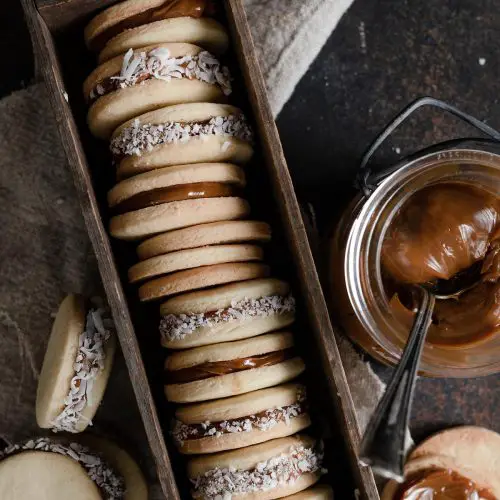
When I was a kid, the scent of freshly baked cookies would drift from my abuela’s kitchen every Sunday, wrapping the whole house in a warm hug. She’d pull out a tray of golden‑brown delights that looked like little moons, and the moment I tasted one, I knew I’d be chasing that flavor forever. Those were the original Argentinian cookies that taught me that simplicity can be luxurious. Imagine a buttery, melt‑in‑your‑mouth cookie, sandwiched with a silky caramel filling and finished with a delicate dusting of coconut or chocolate. It’s the kind of treat that feels like a celebration even on a rainy weekday, and the best part? It’s easier than you think, and the kids at my table always beg for seconds. Let’s dive into the story behind these beloved Argentinian cookies and bring a piece of my family tradition to your home.
What is Argentinian Alfajores?
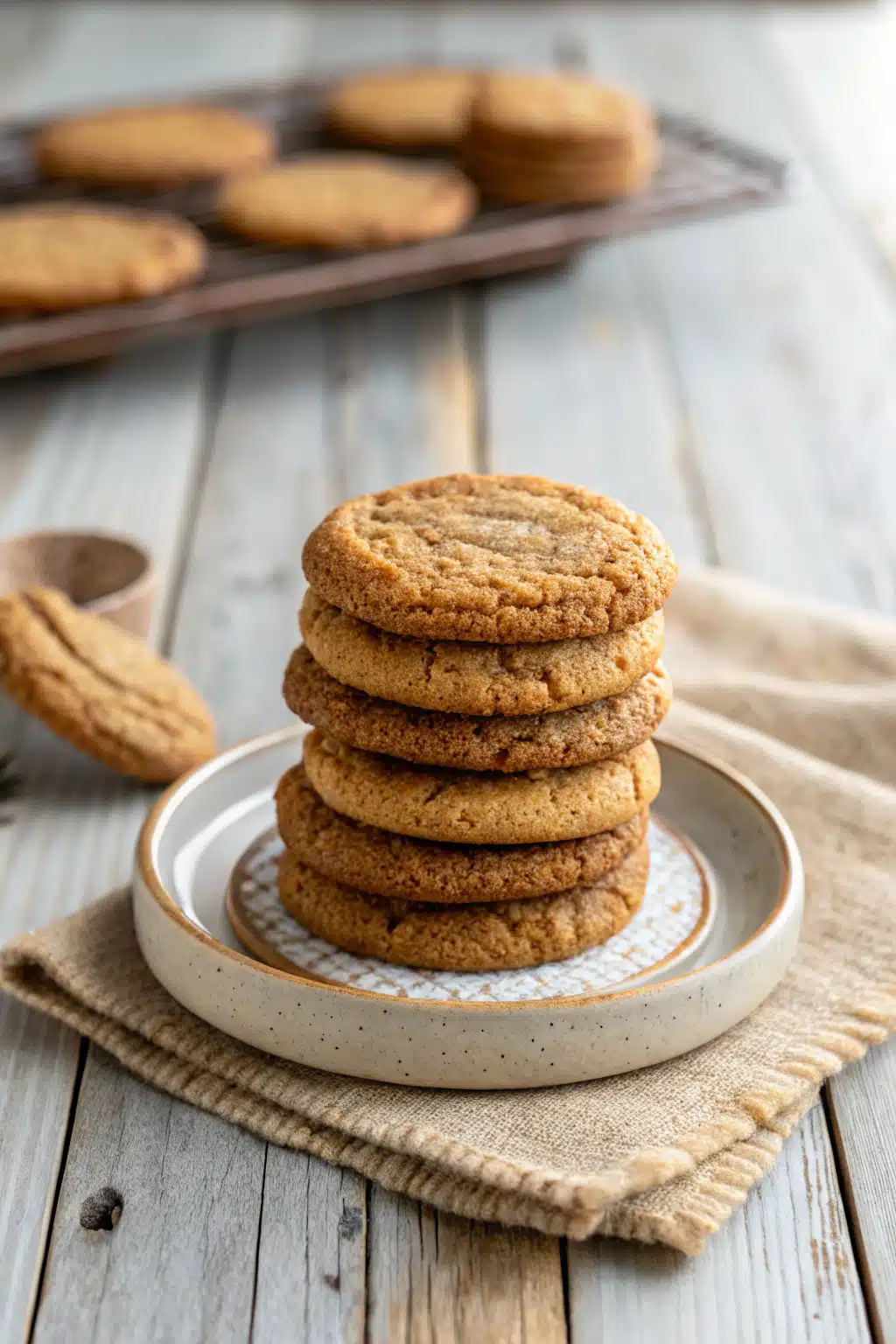
Argentinian alfajores are a classic cookie that hails from the Spanish word “alfajor,” originally describing a honey‑sweetened cake. In Argentina, they evolved into two delicate, round cookies made from a buttery shortbread dough, typically filled with dulce de leche—a caramel‑like milk jam that’s been simmered to perfection. Think of them as the South American answer to a sandwich cookie, but with a richer, more nuanced flavor profile. The dough is usually flavored with a hint of lemon zest or vanilla, and the edges are rolled in grated coconut, powdered sugar, or a drizzle of chocolate. They’re a staple at birthdays, after‑school snacks, and even as a comforting night‑time bite. If you’ve ever tried a macaron or a shortbread, you’ll recognize the tender crumb, but the dulce de leche filling adds an unmistakable, creamy sweetness that makes these Argentinian cookies truly unforgettable.
How do I make Argentinian Alfajores?
Quick Overview
This recipe walks you through a straightforward process: you’ll start by mixing a shortbread dough, roll out the cookies, bake them until just golden, and then sandwich them with a generous layer of dulce de leche. The glaze or coating comes last, adding that final touch of texture and flavor. The whole thing takes about an hour from start to finish, and the results are cookies that stay soft for days, especially when stored properly. Even if you’re a beginner, the steps are forgiving—just keep an eye on the dough consistency and the baking time, and you’ll end up with a batch of Argentinian cookies that look and taste like they came from a bakery.
Ingredients
For the Main Batter:
- 2 cups (250 g) all‑purpose flour – I like to sift it for extra lightness.
- 1 cup (225 g) unsalted butter, softened – use high‑quality butter for the best flavor.
- ¾ cup (150 g) granulated sugar – a fine sugar dissolves more evenly.
- 1 large egg, lightly beaten – adds richness without making the dough too wet.
- 1 teaspoon vanilla extract – a splash of vanilla brightens the shortbread.
- ½ teaspoon lemon zest – optional, but it gives a subtle citrus lift.
- ¼ teaspoon baking powder – just enough to give a tiny lift.
- Pinch of salt – balances the sweetness.
For the Filling:
- 1 cup (300 g) dulce de leche – you can buy it canned or make it at home by slow‑cooking sweetened condensed milk.
- 1 tablespoon softened butter – mixes into the dulce de leche for a smoother spread.
For the Glaze:
- ½ cup (60 g) powdered sugar – sifted.
- 2 tablespoons milk (or a splash of almond milk for a nuttier note).
- 1 teaspoon vanilla extract.
- Optional: 2 tablespoons shredded coconut, cocoa powder, or crushed nuts for coating.
Step-by-Step Instructions
Step 1: Preheat & Prep Pan
Set your oven to 350°F (175°C) and line two baking sheets with parchment paper. I always let the parchment sit on the tray for a minute so it adheres well; this prevents the cookies from sliding when you transfer them.
Step 2: Mix Dry Ingredients
In a medium bowl, whisk together the flour, baking powder, and a pinch of salt. The mixture should look uniform and slightly fluffy. This step ensures the leavening is evenly distributed, which helps the cookies keep a consistent texture.
Step 3: Mix Wet Ingredients
In a large mixing bowl, beat the softened butter and sugar until pale and creamy—about 2‑3 minutes with a hand mixer. Add the egg, vanilla, and lemon zest, then continue beating until fully incorporated. The batter should be smooth and glossy.
Step 4: Combine
Gradually add the dry mixture to the wet ingredients, mixing on low speed just until the flour disappears. Overmixing can develop gluten, making the cookies tough, so stop as soon as you have a cohesive dough. If the dough feels sticky, chill it for 10 minutes; this makes rolling easier.
Step 5: Prepare Filling
While the dough rests, stir the butter into the dulce de leche until it becomes a silky spread. This extra butter makes the filling more pliable and prevents it from cracking when you sandwich the cookies.
Step 6: Layer & Swirl
Turn the dough onto a lightly floured surface and roll it to about ¼‑inch thickness. Use a round cookie cutter (about 2‑inch diameter) to cut circles. Place the circles on the prepared baking sheets, leaving a little space between each. If you like a decorative swirl, lightly press a small amount of extra dulce de leche onto the center of each cookie before baking; it will melt slightly and create a marbled effect.
Step 7: Bake
Slide the trays into the preheated oven and bake for 10‑12 minutes, or until the edges turn a light golden hue. The centers should still look soft; they’ll firm up as they cool. Keep a close eye on the second batch—ovens can vary, and a minute too long can dry out the shortbread.
Step 8: Cool & Glaze
Allow the cookies to cool on the sheet for 5 minutes, then transfer them to a wire rack to finish cooling completely. While they’re still warm, whisk together the powdered sugar, milk, and vanilla to make a smooth glaze. Dip the flat side of each cookie into the glaze, then immediately press two glazed sides together with a generous dollop of dulce de leche in the middle. If you prefer a dry coating, roll the finished sandwiches in shredded coconut, cocoa powder, or chopped nuts.
Step 9: Slice & Serve
These alfajores are best enjoyed at room temperature. Slice them gently with a serrated knife to avoid squashing the filling. Serve them on a platter with a pot of coffee or a glass of milk. They also make a charming addition to a dessert board, nestled among fresh berries and a drizzle of dark chocolate.
What to Serve It With
Argentinian cookies are wonderfully adaptable, so feel free to match them with whatever fits the moment.
For Breakfast: Pair a couple of warm alfajores with a strong espresso or a frothy cappuccino. The buttery cookie balances the coffee’s bitterness, and the dulce de leche adds a sweet lift that feels like a mini‑treat before the day really starts.
For Brunch: Arrange the cookies on a slate board alongside fresh fruit, a few slices of smoked salmon, and a light citrus vinaigrette. The contrast of sweet and savory makes for an elegant, Instagram‑worthy spread.
As Dessert: Serve the alfajores alongside a scoop of vanilla ice cream and a drizzle of caramel sauce. The cold ice cream softens the cookie’s texture, creating a luscious melt‑in‑your‑mouth experience.
For Cozy Snacks: Keep a tin of these cookies on the coffee table for an impromptu snack while you’re binge‑watching your favorite series. They’re perfect with a mug of hot chocolate, especially when you sprinkle a pinch of sea salt on top for that sweet‑salty pop.
Top Tips for Perfecting Your Argentinian Alfajores
After countless batches, I’ve gathered a handful of tricks that take these cookies from good to unforgettable.
Dough Chill: After mixing, chill the dough for at least 30 minutes. This solidifies the butter, preventing the cookies from spreading too much and ensuring a tender crumb.
Butter Quality: Use European‑style butter with at least 82% fat. The higher fat content gives a richer flavor and a softer texture.
Mixing Advice: When combining wet and dry ingredients, stop as soon as the flour disappears. Overmixing creates gluten, which can make the shortbread dense instead of melt‑in‑your‑mouth.
Swirl Customization: If you love a visual surprise, add a thin line of melted chocolate or a dash of espresso powder on the dough before cutting the circles. When baked, the line creates a subtle marbled look.
Ingredient Swaps: For a gluten‑free version, replace the all‑purpose flour with a 1:1 gluten‑free blend that contains xanthan gum. The texture stays soft, though you may need to add an extra tablespoon of butter if the dough feels crumbly.
Baking Tips: Position the rack in the middle of the oven and rotate the trays halfway through the bake. This ensures even browning, especially if your oven has hot spots.
Glaze Variations: Swap the milk in the glaze for orange juice and add a pinch of cinnamon for a citrus‑spiced coating. Or use melted white chocolate for a glossy, decadent finish.
Storage Insight: If you plan to store the cookies, wait until the glaze sets completely before stacking them. Place parchment between layers to keep the glaze from sticking.
Storing and Reheating Tips
Proper storage keeps the cookies fresh and the filling creamy for days.
Room Temperature: Store the alfajores in an airtight container with a piece of parchment paper between layers. They stay soft for up to 4 days, and the glaze remains glossy.
Refrigerator Storage: If you need to keep them longer, place them in a sealed container with a slice of bread on top; the bread absorbs excess moisture, extending freshness for up to a week.
Freezer Instructions: Wrap each sandwich individually in plastic wrap, then place them in a zip‑top freezer bag. They freeze well for up to 2 months. To thaw, move them to the fridge overnight and let them come to room temperature before serving.
Glaze Timing Advice: For freezer storage, it’s best to add the glaze after thawing. The glaze can become a bit sticky when frozen, but a quick brush with fresh glaze restores the perfect sheen.
Frequently Asked Questions
Final Thoughts
There’s something magical about Argentinian cookies that brings people together around the table, and I hope this recipe lets you share that magic in your own kitchen. From the buttery shortbread to the luscious dulce de leche, each bite tells a story of tradition, love, and a little bit of culinary adventure. If you’ve enjoyed these alfajores, you might also like my recipes for Argentine empanadas or a classic tres leches cake—both carry that same comforting vibe. I can’t wait to hear how your batch turns out, so please drop a comment, rate the recipe, or share a photo of your own cookie creations. Happy baking, and may your kitchen always be filled with the sweet scent of fresh Argentinian cookies!

Argentinian cookies
Ingredients
Main Ingredients
- 1.125 cup cornstarch
- 1 cup all-purpose flour
- 1 tsp baking powder
- 0.25 tsp salt
- 10 Tbsp unsalted butter, softened
- 0.667 cup granulated sugar
- 3 large egg yolks
- 1.5 tsp vanilla extract
- 1 cup dulce de leche
- finely shredded coconut optional
Instructions
Preparation Steps
- In a bowl whisk together cornstarch, flour, baking powder, and salt; set aside.
- Using a stand mixer, cream butter and sugar on medium speed until light and fluffy, about 30 seconds.
- Add egg yolks one at a time, mixing well after each addition, then stir in vanilla extract.
- Gradually add the dry ingredient mixture on low speed until a smooth dough forms.
- Shape the dough into a ball, wrap in plastic, and refrigerate for 30 minutes.
- Preheat oven to 350°F (177°C). Roll half the chilled dough on a lightly floured surface to about 0.2‑inch thickness.
- Cut circles with a 2‑inch cutter, place on parchment‑lined baking sheets, and bake for 10‑11 minutes until lightly golden.
- Cool cookies on a wire rack. Spread a thin layer of dulce de leche on the flat side of one cookie and sandwich with another.
- Roll the edges of each sandwich in shredded coconut, if using. Store in an airtight container.
Notes
Featured Comments
“Impressed! Clear steps and comforting results. Perfect for busy nights.”
“New favorite here — spot on. crowd-pleaser was spot on.”
“Super easy and turned out amazing! My family asked for seconds. Saving this one.”
“This sweet treat was absolutely loved — the zingy really stands out. Thanks!”
“Made it tonight and wow — quick weeknight win! Will definitely make Easy Argentinian Cookies How to Make Alfajores again.”
“Packed with flavor and so simple. Exactly what I wanted from Easy Argentinian Cookies How to Make Alfajores.”