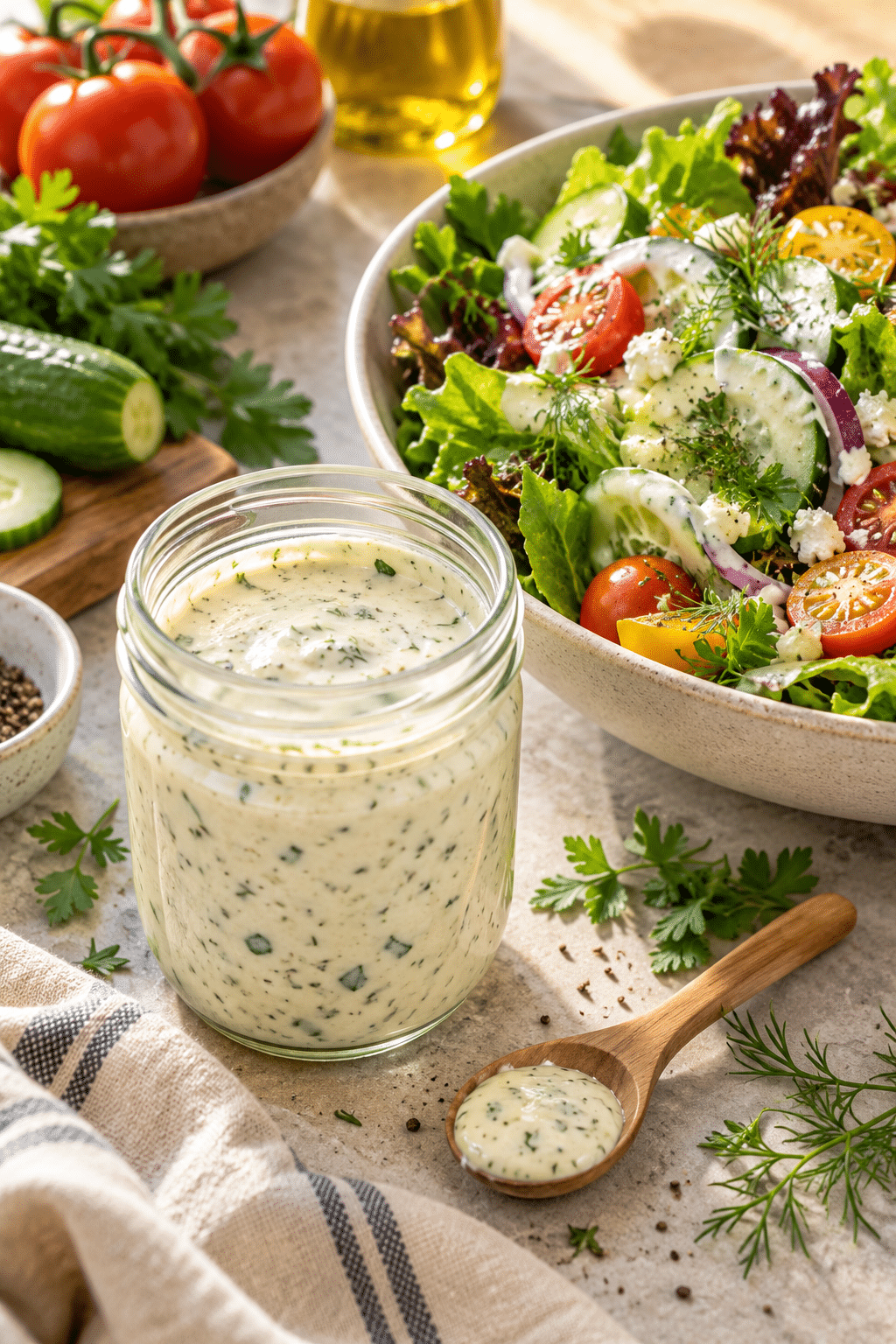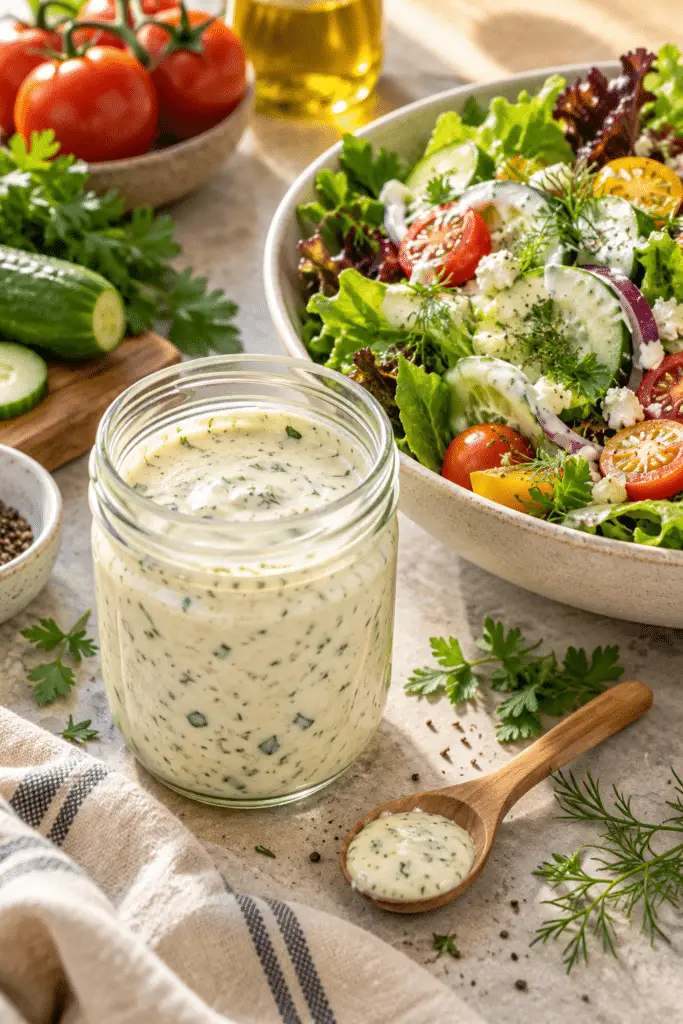
Homemade salad dressing recipes make it easy to turn everyday greens into a fresh, flavorful meal. This collection uses familiar ingredients and a simple whisking method, so you can make creamy, tangy, sweet, nutty, and herb-forward dressings in minutes. The recipes are flexible: taste each one with the salad you plan to serve, then adjust salt, acidity, sweetness, or thickness before dinner.
What are homemade salad dressing recipes?
Homemade salad dressing recipes are quick combinations of fat, acid, seasoning, and a balancing ingredient such as mustard, mayonnaise, honey, or peanut butter. The base can be creamy or pourable, and the flavor changes with the herbs, vinegar, citrus, or oil you choose. Making dressing at home lets you control the texture and seasoning instead of relying on a bottled formula.
Why this collection works
Each option follows the same useful pattern. Acid gives brightness, oil gives body, and an emulsifier helps the liquids stay together. Buttermilk and mayonnaise make a ranch-style dressing; red wine vinegar and Dijon create a lively vinaigrette; ginger, peanut butter, soy sauce, and lime bring a savory direction. Honey softens sharp notes, while fresh herbs add color and fragrance.
Ingredients
- 1/3 cup buttermilk
- 1/3 cup mayonnaise
- 2 tablespoons fresh parsley and chives, chopped
- 1 teaspoon dried dill
- 1/4 teaspoon each kosher salt, black pepper, and garlic powder
- 2 tablespoons red wine vinegar
- 2 teaspoons Dijon mustard
- 1/3 cup olive oil
- 1 tablespoon honey
- 1 tablespoon apple cider vinegar
- 1 teaspoon grated ginger
- 1/4 cup creamy peanut butter
- 1 tablespoon soy sauce and the juice of 1 lime
How to make homemade salad dressing recipes
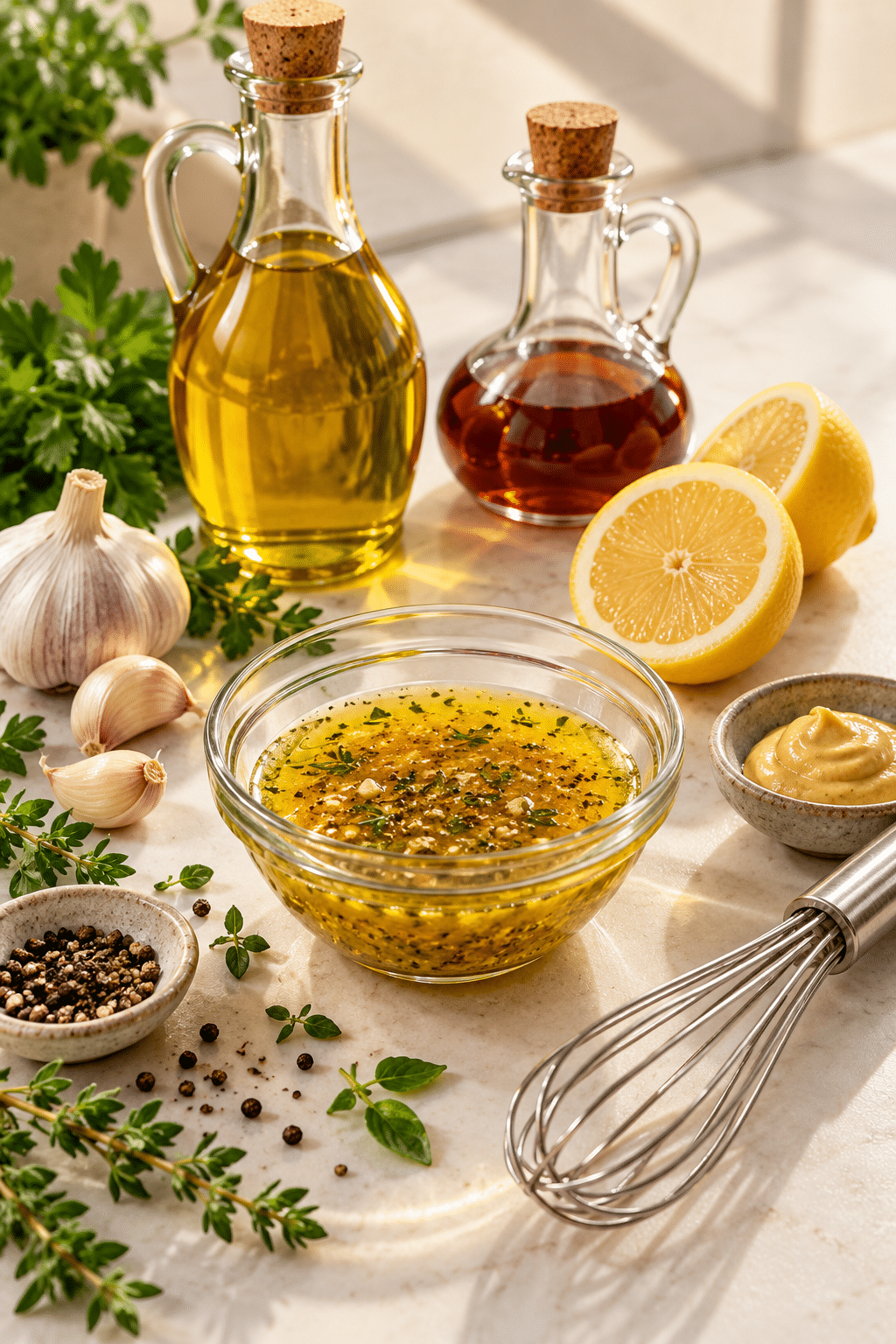
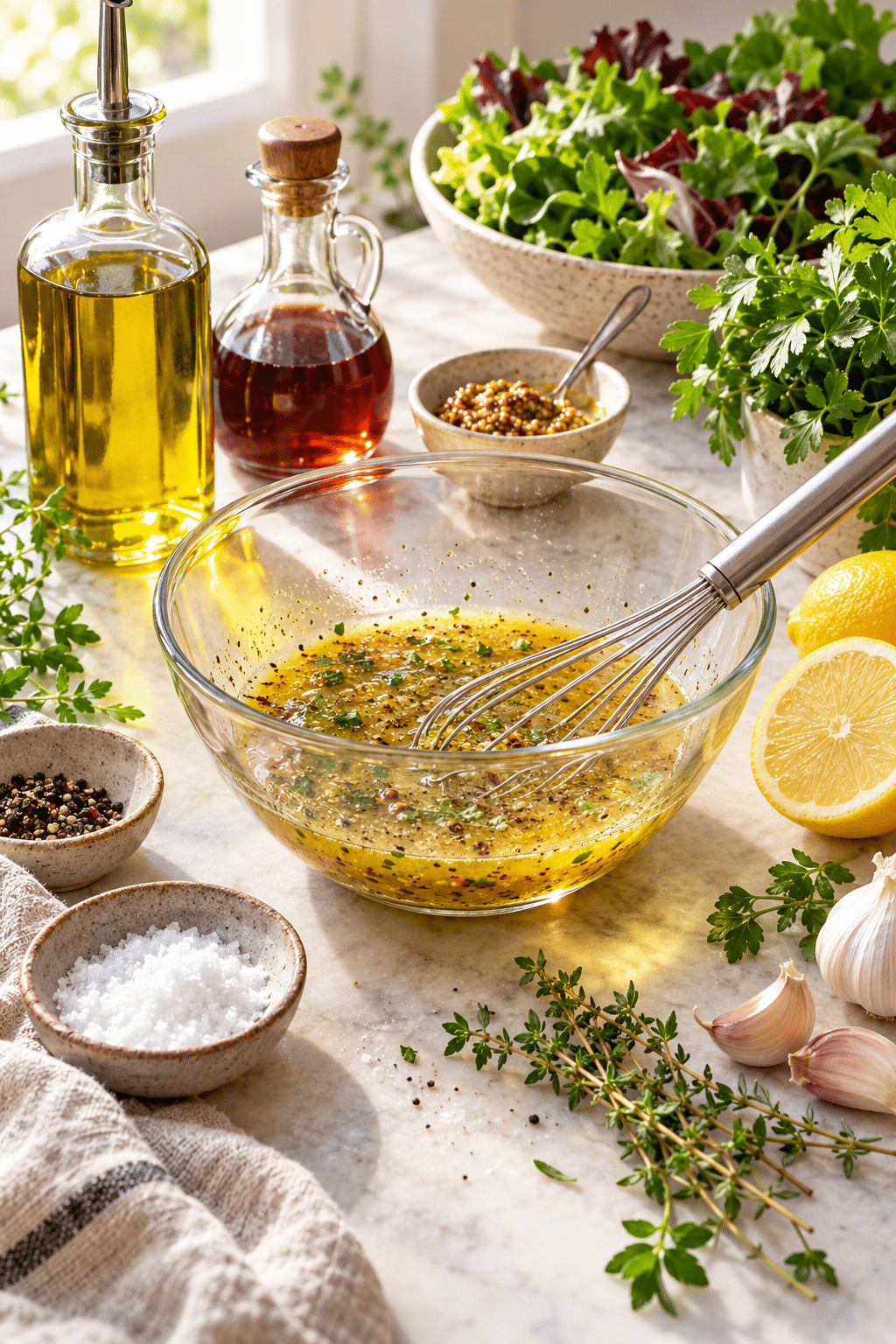
Choose one flavor profile and place its vinegar, mustard, honey, or lime in a bowl or jar. Whisk in the creamy ingredients and seasonings until smooth. Slowly add olive or neutral oil while whisking continuously. If using a jar, add the oil, seal it tightly, and shake vigorously. Taste with a lettuce leaf. Add salt for definition, vinegar for brightness, honey for softness, or a teaspoon of water to loosen the dressing.
Serving ideas
Use the herb-forward dressing with crisp romaine, the red-wine vinaigrette with tomatoes and cucumbers, and the ginger-peanut version with shredded cabbage, carrots, or noodles. A sturdy green can handle more acidity than delicate butter lettuce. Dress the salad shortly before serving, or offer the dressing on the side when several people prefer different levels of seasoning.
Tips and variations
Taste with the food rather than from a spoon alone because greens and vegetables change the balance. Replace part of the oil with toasted sesame oil for a deeper flavor, or swap fresh herbs according to what you have. Keep the main oil-to-acid balance intact so the dressing remains pourable. If it is too sharp, add a little honey or mayonnaise. If it is too thick, whisk in water one teaspoon at a time.
Storage
Store dressing in a clean airtight jar in the refrigerator. Oil-based versions generally keep for up to two weeks, while creamy versions are best used within one week. Separation is normal, so shake or whisk before serving. If olive oil firms when chilled, let the jar stand at room temperature until fluid again. Keep fresh herbs and dairy cold, and use clean utensils each time.
Frequently asked questions
How do I stop vinaigrette from separating? Add oil slowly while whisking and include Dijon or another emulsifier.
What if the dressing tastes too sharp? Add a small amount of honey, mayonnaise, or water, then taste again.
Can I use dried herbs? Yes. Use less dried herb than fresh and give the dressing a few minutes to hydrate.
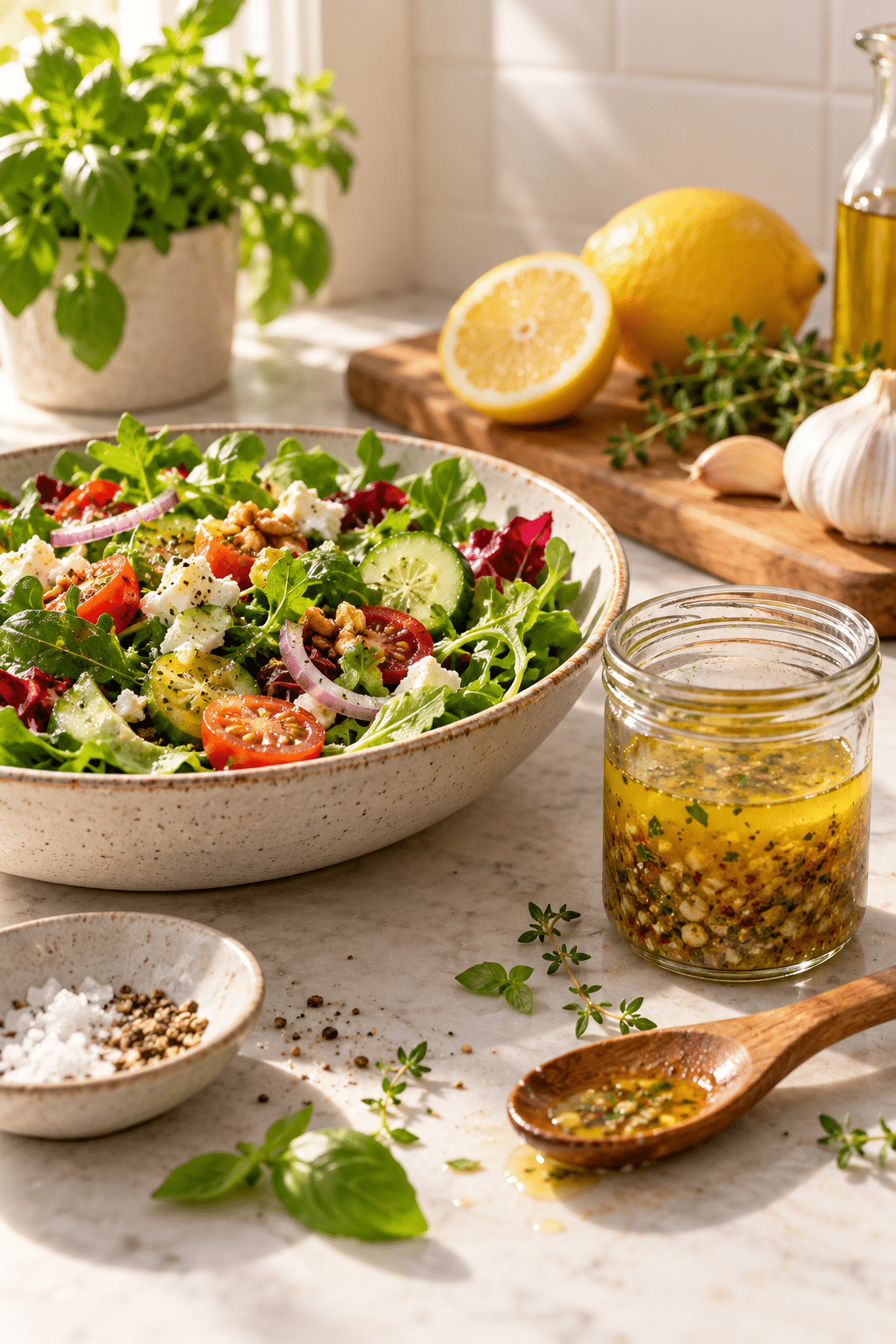
Once you know the balance of acid, fat, seasoning, and emulsifier, homemade salad dressing recipes become a flexible kitchen staple. Prepare one in a few minutes, taste it with the meal, and adjust it to suit the greens and vegetables on the table.
Planning ahead
Make a small jar before the week begins and label it with the flavor and date. The creamy version is useful for lunch salads, while a vinaigrette can also season roasted vegetables, beans, or grains. Keeping the components measured means the next batch takes less time, and tasting a small spoonful before dressing the greens prevents an overly strong result.
Choosing the right balance
Different salads need different levels of richness. Bitter greens benefit from a little sweetness, delicate lettuce needs a gentle hand with vinegar, and cabbage or carrots can stand up to the stronger ginger-peanut combination. Start with less dressing than you think you need, toss thoroughly, and add more only after every leaf has a light coating.
Final serving notes
Serve the dressing in a small pitcher or jar so guests can add their own amount. Shake immediately before pouring because natural separation is expected. With a few pantry staples, these homemade salad dressing recipes give you a dependable way to make salads taste fresh, balanced, and personal throughout the week.
FAQ
These answers cover the most common questions about preparing, tasting, and storing the dressings. The best batch is the one adjusted to the ingredients in your salad.
Optional variation
For an optional variation, replace part of the oil with toasted sesame oil, add a pinch of chili, or use a different fresh herb. Keep the same general balance of acid and oil so the dressing stays smooth and pourable.
- Whisk the base ingredients for the dressing you want in a bowl or jar.
- Slowly stream in oil while whisking so the vinegar and oil emulsify smoothly.
- Taste and adjust salt, acidity, sweetness, or water until the texture is pourable.
- Chill creamy dressings briefly, then shake or whisk again before serving.
These small habits make the process reliable: measure first, emulsify gradually, taste with the finished salad, and store each dressing in a clearly dated jar. That approach keeps homemade salad dressing recipes practical for both a single lunch and a family dinner.

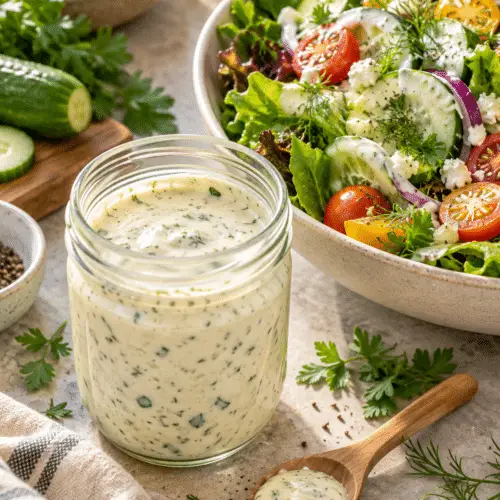
9 Easy Homemade Salad Dressing Recipes
Ingredients
Ingredients
- 1/3 cup buttermilk
- 1/3 cup mayonnaise
- 2 tablespoons fresh parsley and chives chopped
- 1 teaspoon dried dill
- 1/4 teaspoon kosher salt, black pepper, and garlic powder each
- 2 tablespoons red wine vinegar
- 2 teaspoons Dijon mustard
- 1/3 cup olive oil
- 1 tablespoon honey
- 1 tablespoon apple cider vinegar
- 1 teaspoon grated ginger
- 1/4 cup creamy peanut butter
- 1 tablespoon soy sauce
- 1 whole lime juiced
Instructions
Instructions
- Whisk the base ingredients for the dressing you want in a bowl or jar.
- Slowly stream in oil while whisking so the vinegar and oil emulsify smoothly.
- Taste and adjust salt, acidity, sweetness, or water until the texture is pourable.
- Chill creamy dressings briefly, then shake or whisk again before serving.
Featured Comments
“Impressed! Clear steps and so flavorful results. Perfect for busy nights.”
“New favorite here — crowd-pleaser. crowd-pleaser was spot on.”
“Super easy and turned out amazing! My family asked for seconds. Saving this one.”
“This sweet treat was absolutely loved — the zingy really stands out. Thanks!”
“Made it tonight and wow — absolutely loved! Will definitely make 9 Easy Homemade Salad Dressing Recipes again.”
“Packed with flavor and so simple. Exactly what I wanted from 9 Easy Homemade Salad Dressing Recipes.”