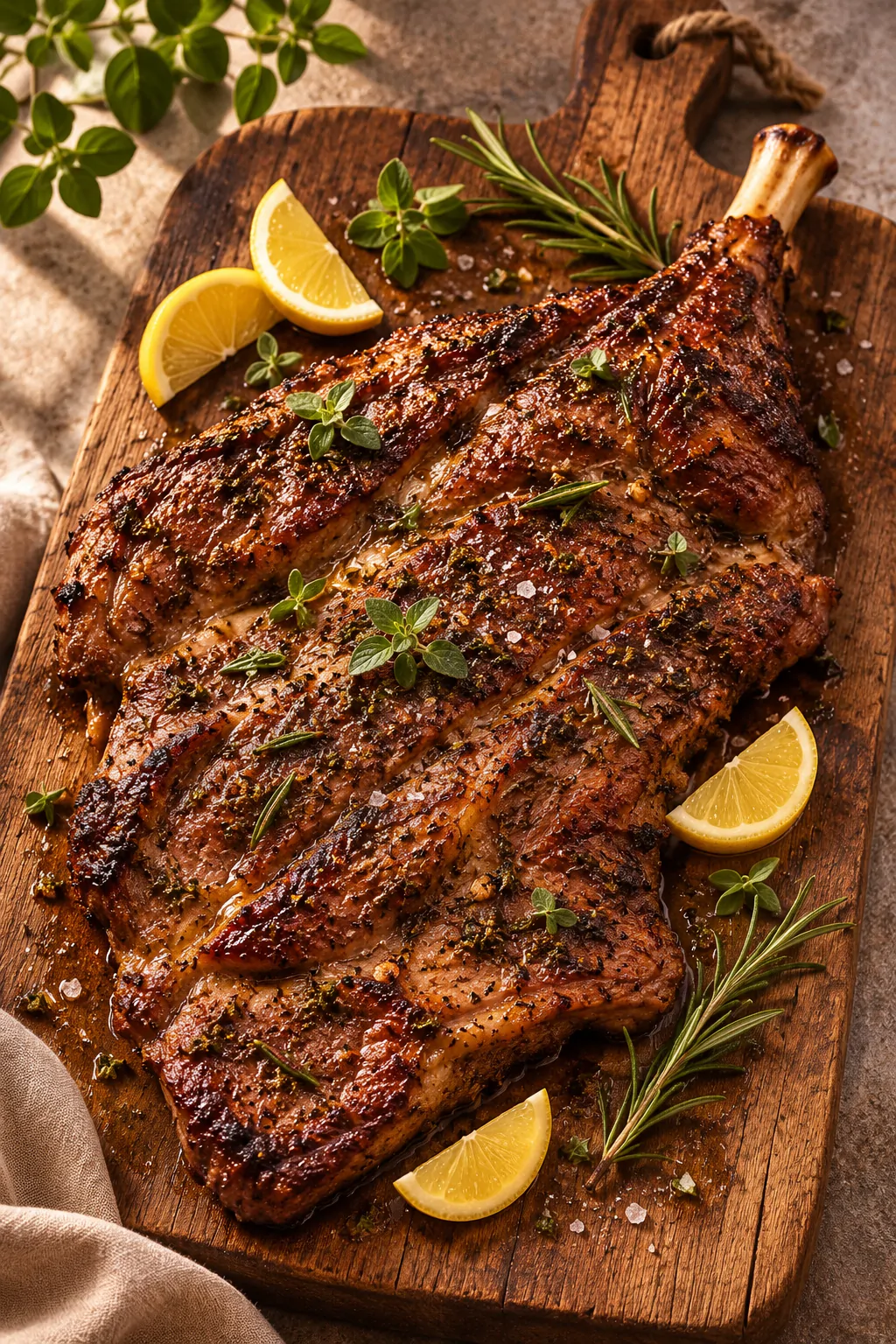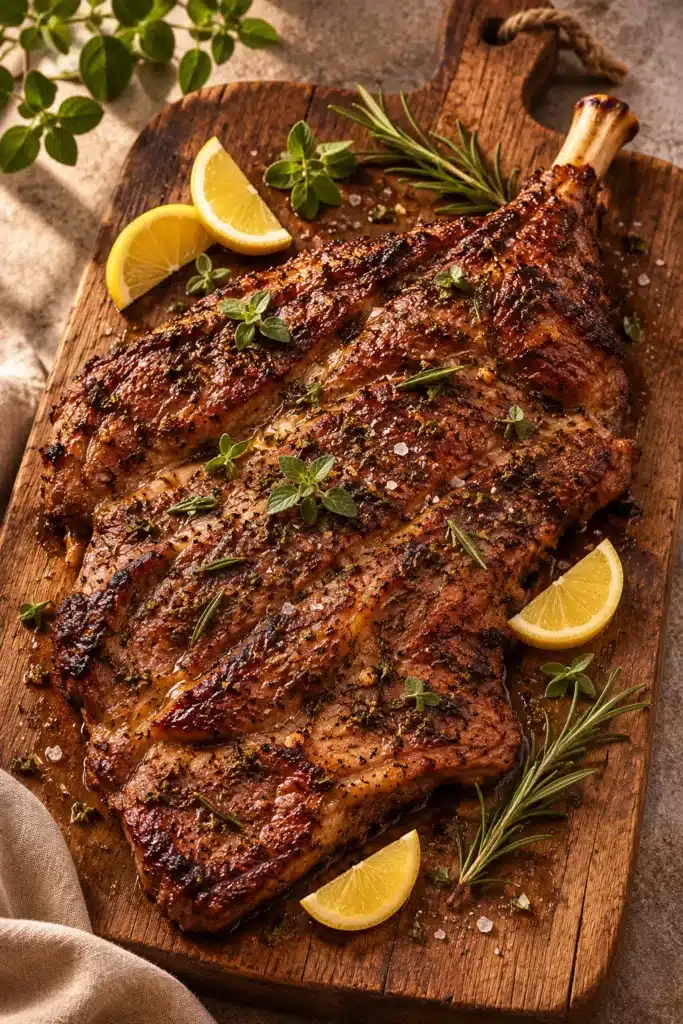
Greek butterflied lamb leg is a generous centerpiece with bright lemon, garlic, oregano, and olive oil worked into every surface. Flattening the leg helps it cook evenly and gives the marinade plenty of contact. The result is juicy lamb with a browned exterior and a fragrant Mediterranean character for a relaxed weekend meal or a special gathering with friends and family.
What is Greek butterflied lamb leg?
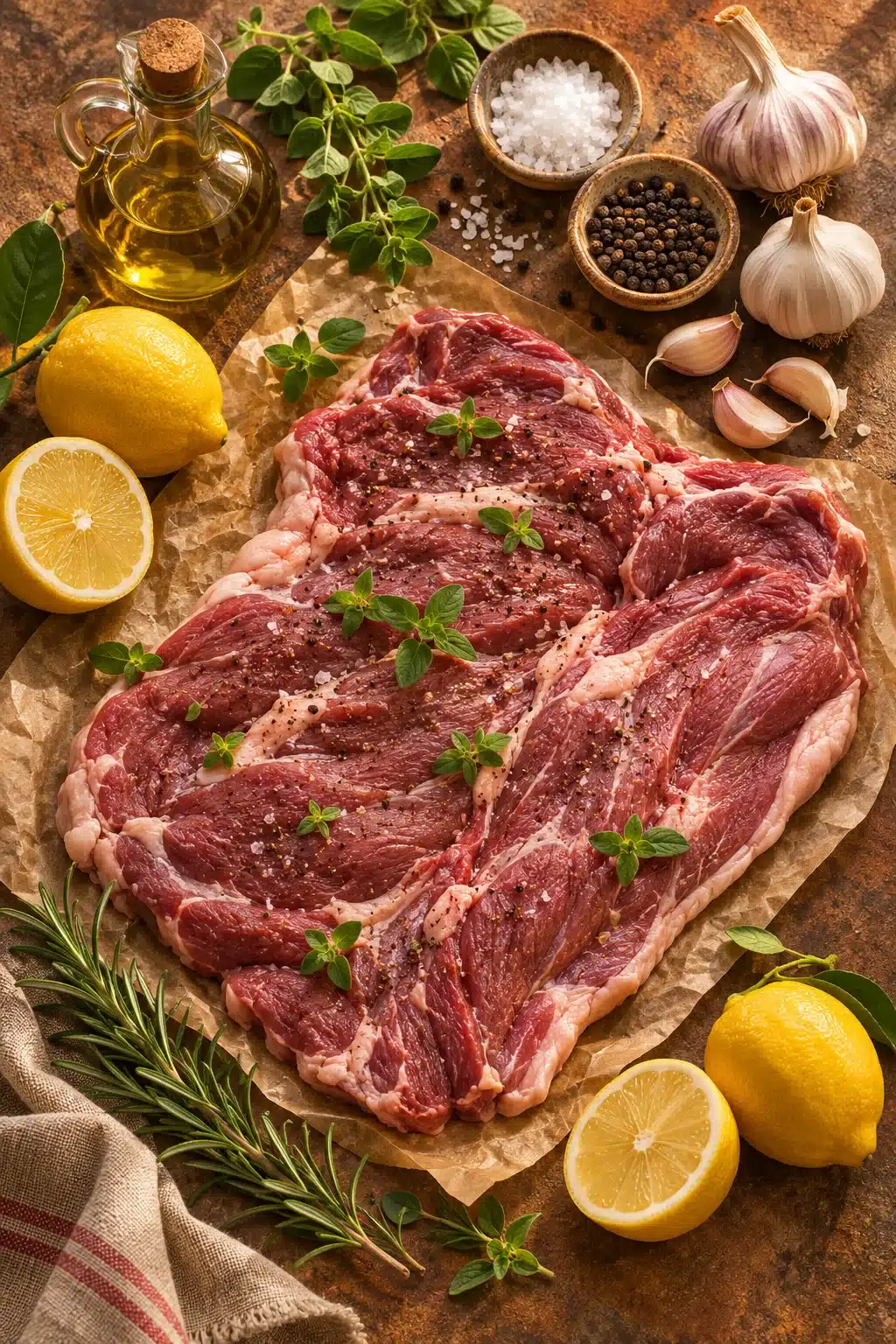
A butterflied leg has the central bone removed and the meat opened into a flatter shape. That shape shortens cooking time and makes it easier to manage the doneness of the thick and thin areas. The Greek-style marinade adds acidity, herbs, and savoury depth without hiding the flavour of the lamb.
Why this recipe works
Lemon juice brightens the rich meat, while lemon zest and oregano keep the flavour present after grilling or roasting. Garlic, rosemary, and olive oil form a simple coating that clings to the uneven surface. Resting is essential because it gives the hot juices time to redistribute before slicing.
Ingredients
- 1 6-pound butterflied leg of lamb, trimmed
- 6 cloves garlic, finely grated
- 2 lemons zested and juiced
- 1/3 cup extra-virgin olive oil
- 2 tbsp dried oregano
- 1 tbsp fresh rosemary, chopped
- 2 tsp kosher salt
- 1 tsp black pepper
How to make Greek butterflied lamb leg
Plan ahead for the marinade. Four hours is useful, while an overnight rest gives the garlic and herbs more time to season the meat.
- Whisk the garlic, lemon zest and juice, olive oil, oregano, rosemary, salt, and pepper in a bowl.
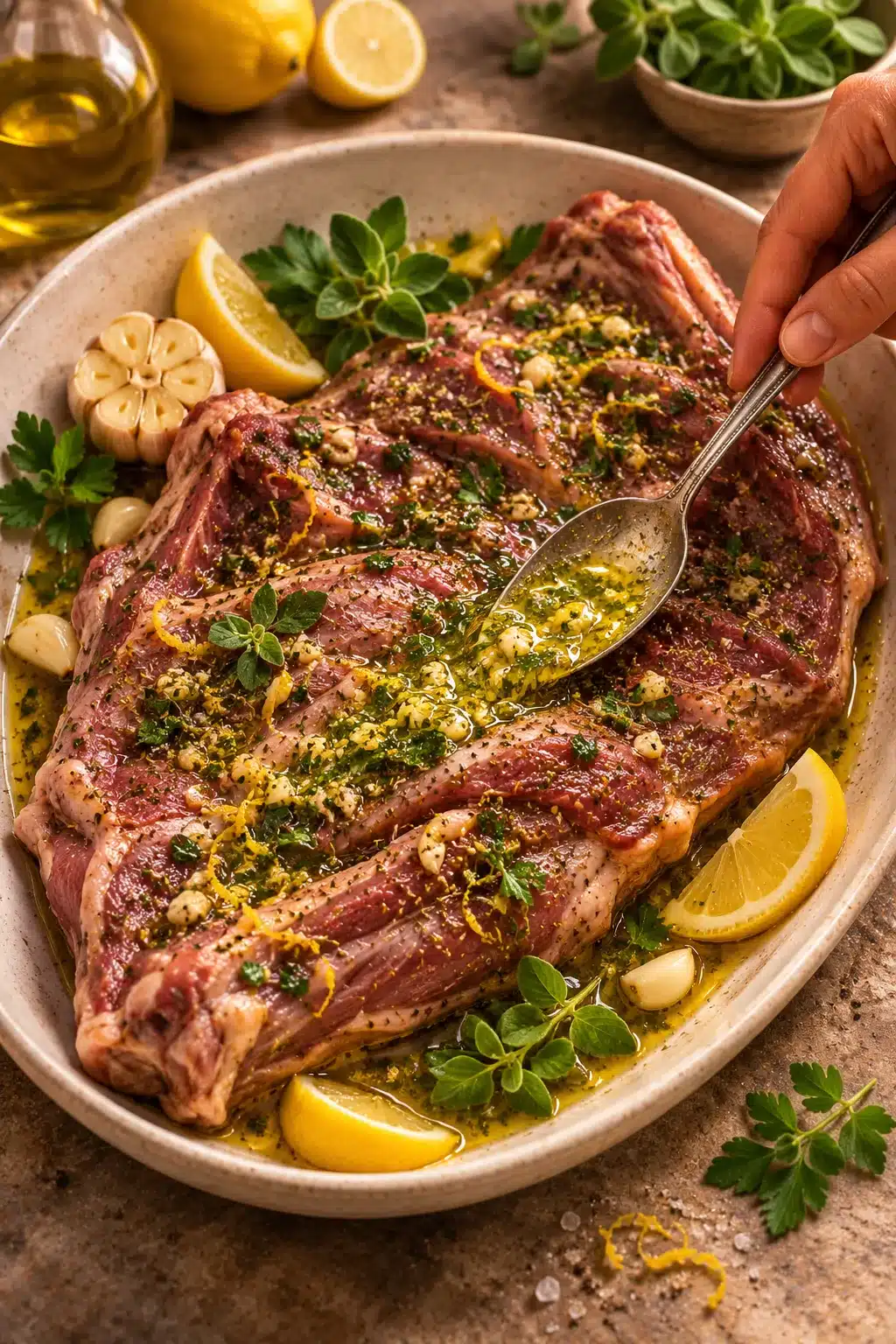
- Place the butterflied lamb in a shallow dish and coat it thoroughly with the marinade. Cover and refrigerate for at least 4 hours, or overnight.
- Bring the lamb toward room temperature while heating a grill to medium-high, or heat an oven to 425°F (220°C).
- Grill the lamb fat-side down first, then turn and cook until the thickest part reaches 135°F for medium-rare, about 25 to 35 minutes total; for oven roasting, use a rack and roast until the same internal temperature.
- Transfer the lamb to a board, tent loosely with foil, and rest for 15 minutes. Slice across the grain and serve with the pan juices.
Marinade and grilling notes
The marinade should be vivid but balanced rather than overwhelmingly acidic. Lemon zest carries perfume, lemon juice adds brightness, and olive oil helps the herbs spread over the lamb. If the leg has especially thick sections, make a few shallow cuts so the seasoning reaches more surface area without creating holes that lose too much juice.
On a grill, start with the fat side toward the heat so it can render and brown. Watch for flare-ups from dripping oil and move the lamb to a cooler zone if the exterior darkens before the centre is ready. In the oven, a rack lets hot air circulate and keeps the bottom from sitting in its own juices.
Preparing the lamb ahead
Marinate the lamb in the refrigerator in a covered dish or food-safe bag. Take it out while the grill or oven heats, but keep food-safety timing in mind and do not leave raw meat at room temperature for an extended period. A short tempering period helps the surface cook more evenly without compromising safe handling.
After cooking, the rest is part of the recipe rather than an optional pause. Cutting immediately can release the juices onto the board, while a loose foil tent keeps the crust from steaming. Use the resting time to warm bread, finish a salad, and spoon the pan juices into a small serving bowl.
Choosing the right doneness
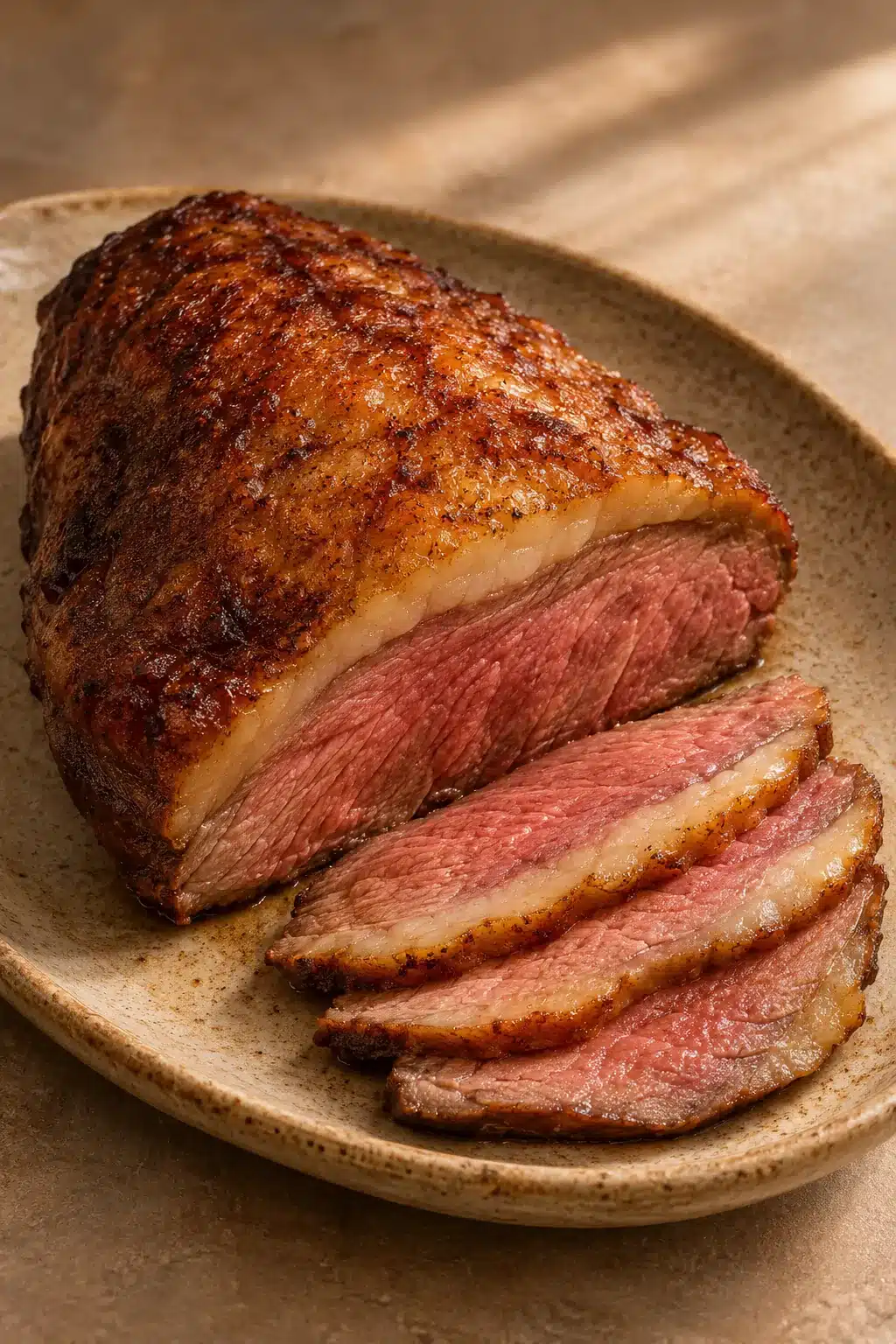
Butterflied lamb contains thinner edges and a thicker centre, so the slices will naturally show more than one degree of doneness. The thermometer reading should come from the thickest section. Medium-rare gives the most tender result, while medium is a practical choice when serving a mixed crowd. Always let the thermometer guide the final decision instead of relying only on time.
How to check doneness
Use an instant-read thermometer in the thickest section, avoiding the opening where the bone was removed. Pull the lamb at 135°F for medium-rare and remember that carryover heat continues during the rest. If you prefer medium, cook to about 145°F before resting.
Serving suggestions
Slice the lamb across the grain and serve it with warm flatbread, a tomato-cucumber salad, roasted potatoes, or a spoonful of yogurt sauce. Extra lemon wedges keep the plate fresh. The browned edges are especially good tucked into a pita with herbs and crisp vegetables.
Tips for the best lamb
Keep the thicker portions toward the hotter part of the grill and turn the meat as needed for even colour. Pat excess marinade from the surface before cooking so it browns rather than steams. Do not skip the 15-minute rest, and use a sharp knife for clean slices.
Optional variation
For a warmer spice profile, add a small pinch of ground cumin to the marinade. This is optional and does not change the core lemon-herb recipe.
Storage and reheating
Refrigerate sliced leftovers in a covered container and use them within three days. Reheat gently in a covered skillet with a splash of water or stock, just until warm, so the lamb does not dry out. Cold slices are also excellent in salads and sandwiches.
FAQs about Greek butterflied lamb leg
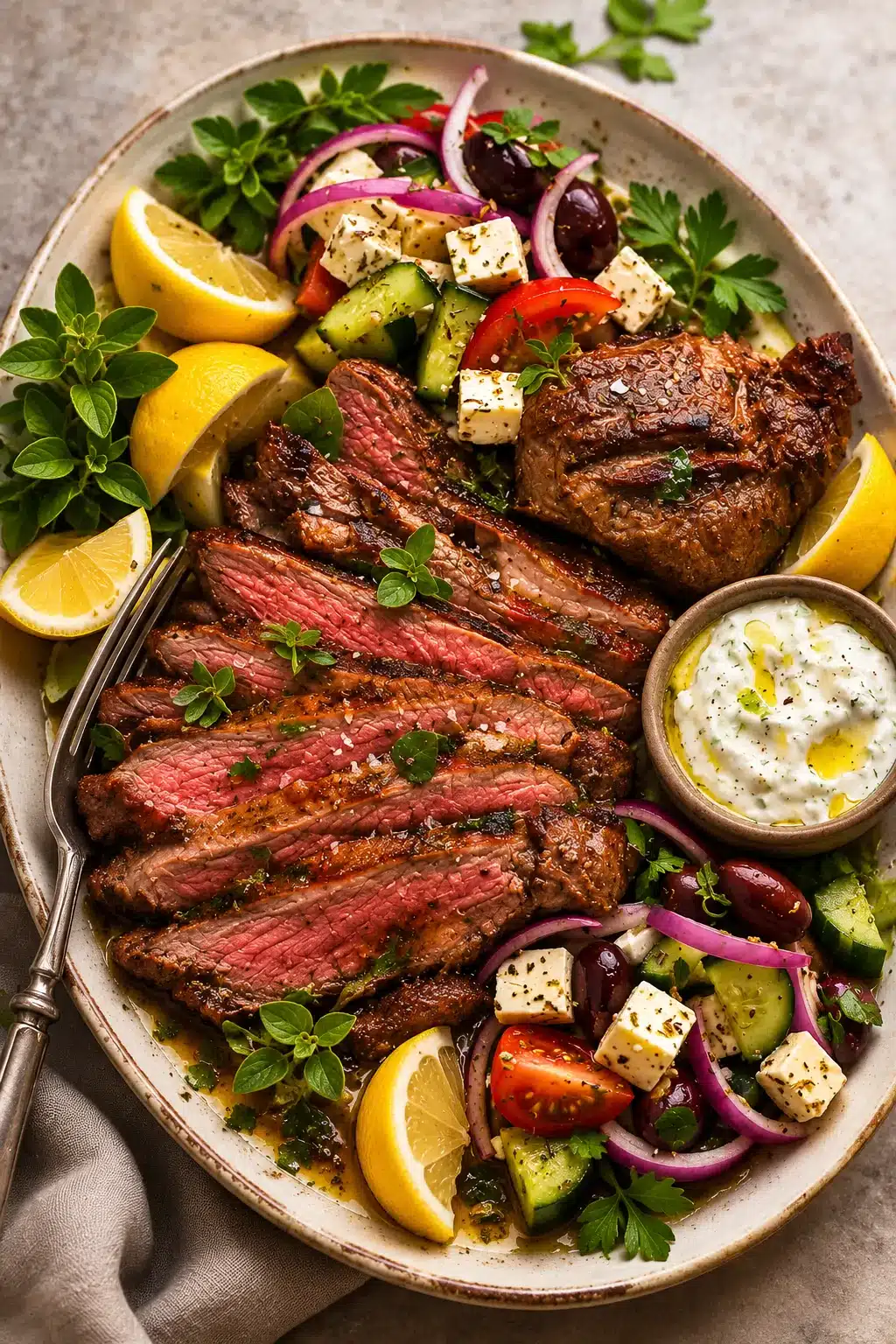
With a bright marinade and a reliable thermometer check, Greek butterflied lamb leg becomes an unfussy centerpiece with plenty of flavour and a beautiful browned crust.

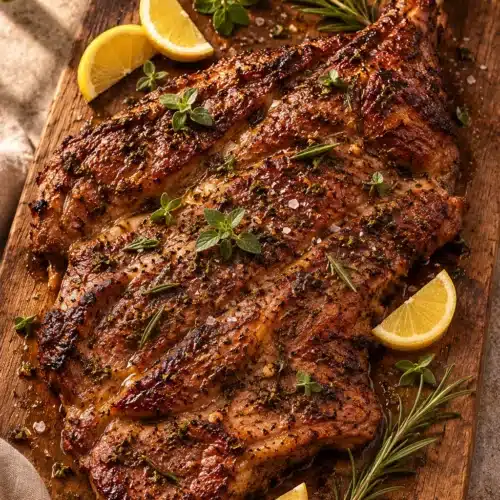
Greek Butterflied Lamb Leg with Garlic-Lemon Marinade
Ingredients
Ingredients
- 1 6-pound butterflied leg of lamb, trimmed
- 6 cloves garlic, finely grated
- 2 lemons zested and juiced
- 1/3 cup extra-virgin olive oil
- 2 tbsp dried oregano
- 1 tbsp fresh rosemary, chopped
- 2 tsp kosher salt
- 1 tsp black pepper
Instructions
Instructions
- Whisk the garlic, lemon zest and juice, olive oil, oregano, rosemary, salt, and pepper in a bowl.
- Place the butterflied lamb in a shallow dish and coat it thoroughly with the marinade. Cover and refrigerate for at least 4 hours, or overnight.
- Bring the lamb toward room temperature while heating a grill to medium-high, or heat an oven to 425°F (220°C).
- Grill the lamb fat-side down first, then turn and cook until the thickest part reaches 135°F for medium-rare, about 25 to 35 minutes total; for oven roasting, use a rack and roast until the same internal temperature.
- Transfer the lamb to a board, tent loosely with foil, and rest for 15 minutes. Slice across the grain and serve with the pan juices.