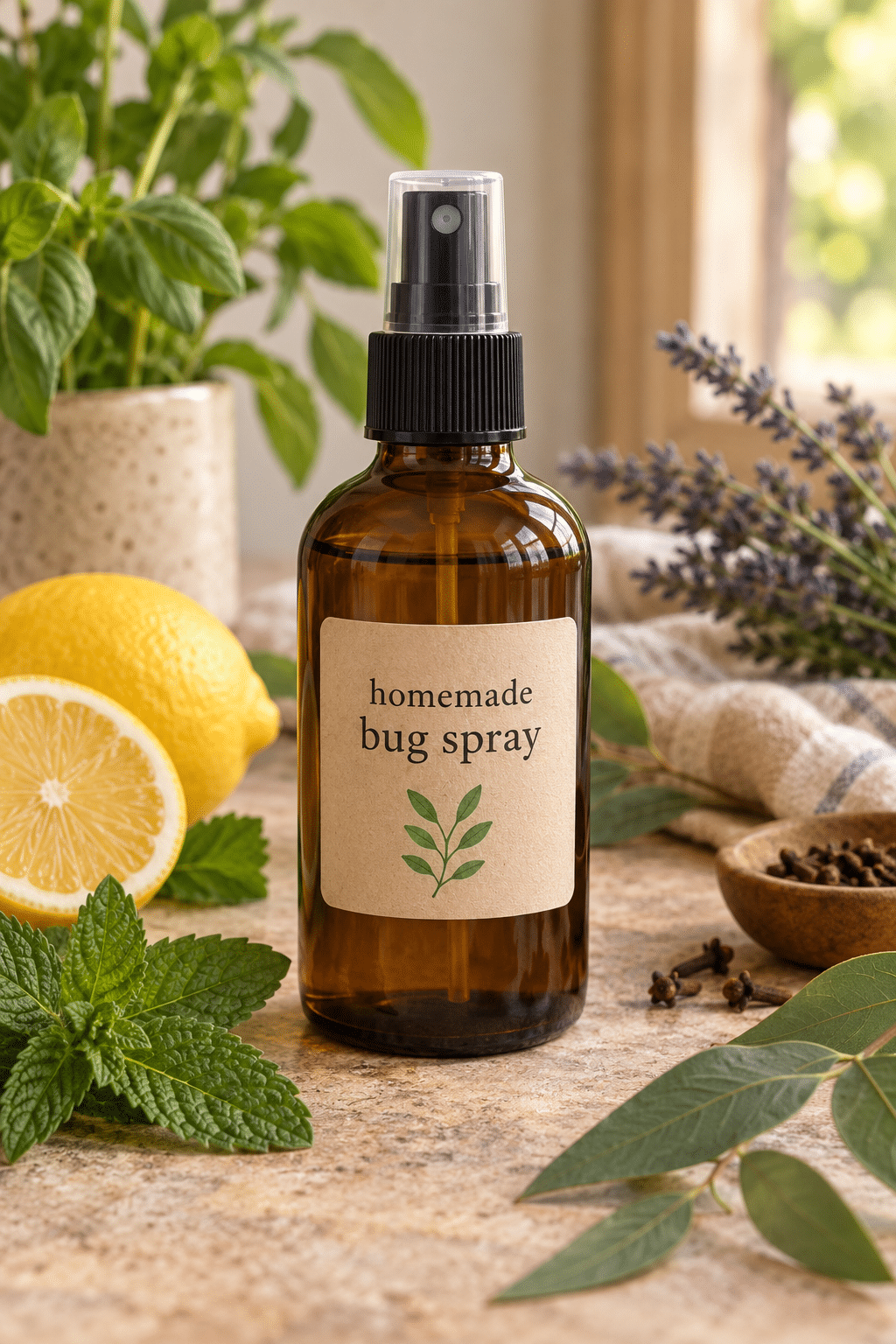
homemade bug spray is easiest to use when it is treated as a small, fresh household preparation rather than a permanent product. Start with a clean bottle, measure carefully, and write the date and ingredients on a label. Distilled water keeps the formula simple, while witch hazel adds a light, clean-feeling base. Essential oils supply the aroma, but “natural” does not mean risk-free, so use only oils you understand and follow their individual safety directions. A short patch test is an important part of the process, especially for sensitive skin.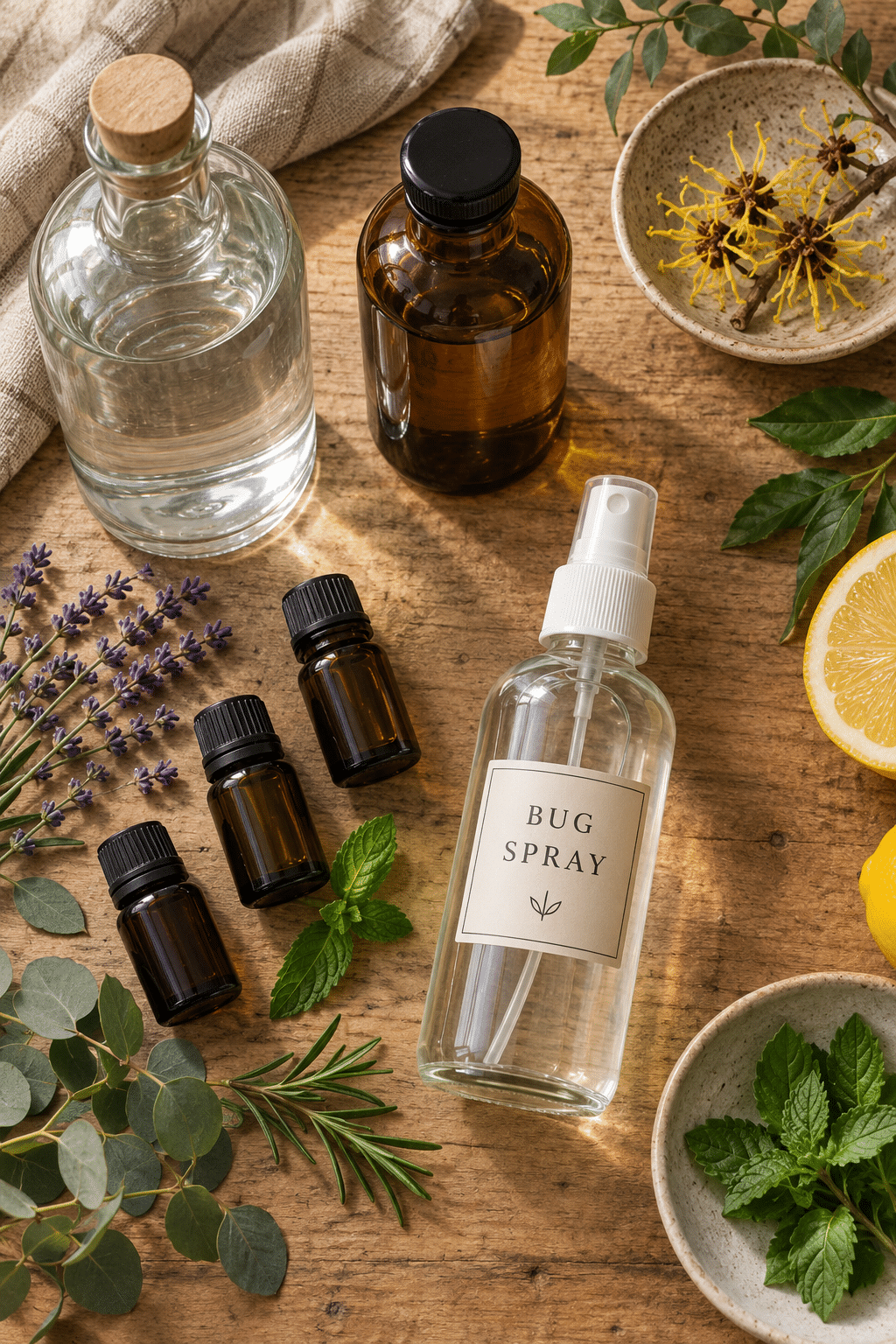
What is homemade bug spray?
Homemade bug spray is a small water-based aromatic preparation for cautious outdoor use. It is not a guaranteed barrier and does not replace proven protection or medical guidance.
Why this homemade bug spray works
The distilled water keeps the mixture light, witch hazel gives it a clean base, and the essential oil blend provides its fresh scent. Vegetable glycerin is optional and can make the spray feel less drying.
How to Make homemade bug spray
Gather the following exact ingredients before you begin:
- 1/2 cup distilled water, cooled
- 1/2 cup witch hazel, plain
- 30 drops essential oil blend, such as citronella, lavender, eucalyptus, or peppermint
- 1 teaspoon vegetable glycerin, optional
Follow these ordered steps:
- Clean and dry a small spray bottle before filling it.
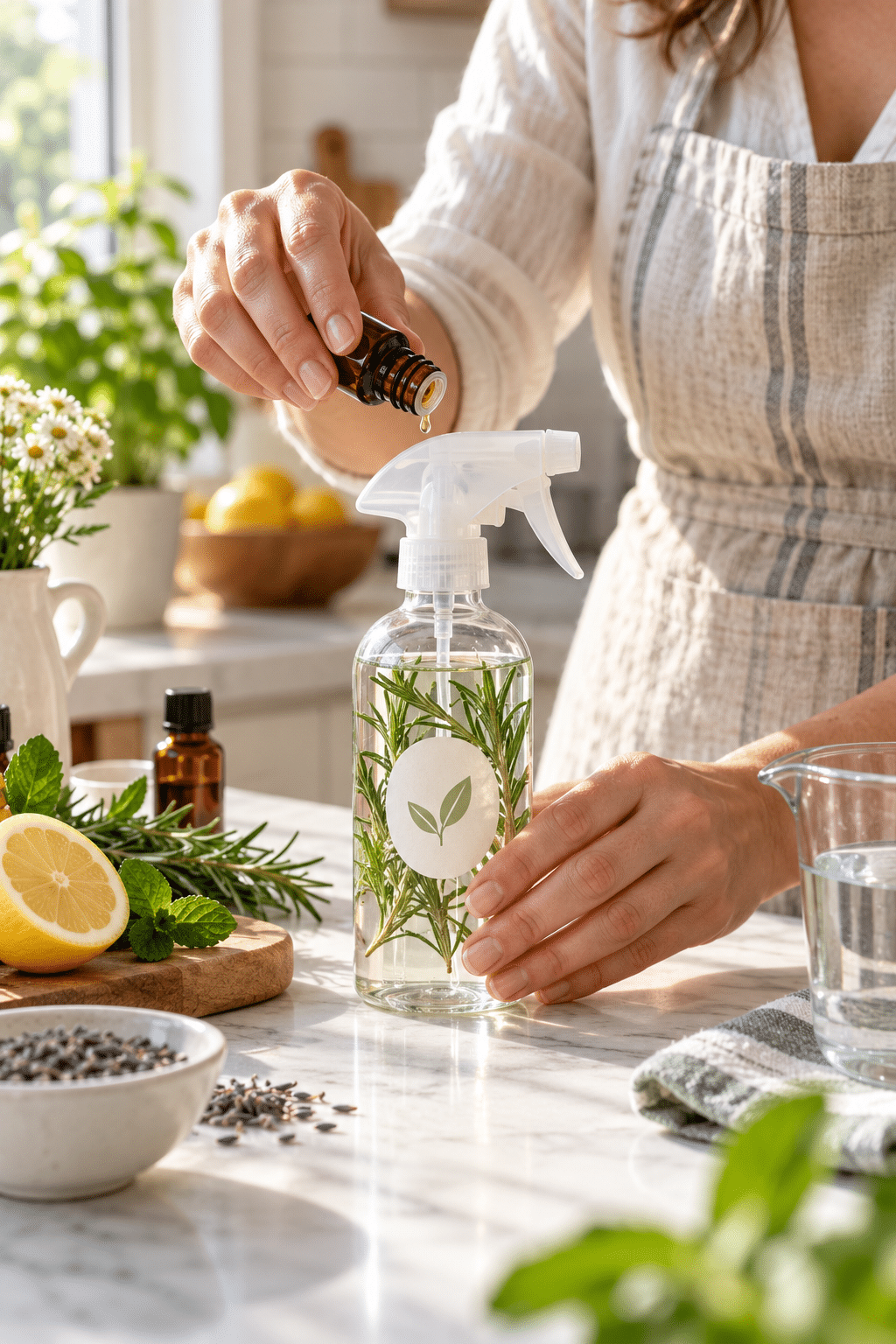
- Add the distilled water, witch hazel, essential oils, and optional glycerin to the bottle.
- Secure the cap and shake vigorously until the mixture is combined.
- Shake again before each use and mist lightly onto exposed clothing or skin, avoiding eyes and broken skin.
Serving and outdoor suggestions
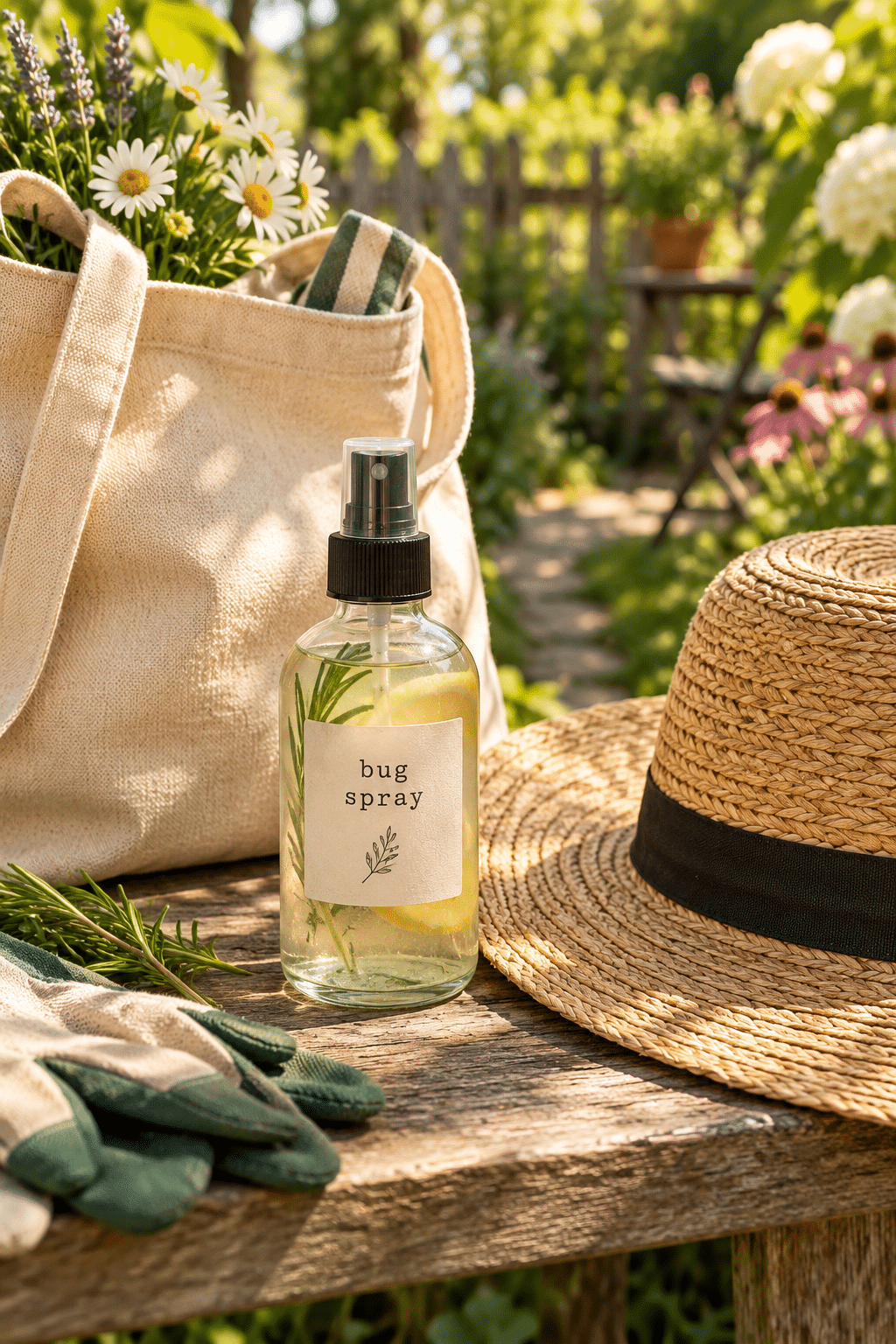
Keep the bottle near a porch basket, picnic tote, or gardening shelf so it is easy to find. Apply lightly and combine it with long sleeves, closed shoes, screens, and other sensible habits.
Tips for a better batch
Use a clean bottle, measure the oils carefully, label every batch, and shake before each application. Patch-test first, and never spray near eyes, food, broken skin, children, or pets without appropriate professional guidance.
Optional variation
Optional variation: Use a different essential oil blend from the listed options while keeping the primary recipe quantities unchanged. This changes the aroma only; it does not change the base formula.
Storage and freshness
Store the sealed, labeled bottle in a cool, dark place. Because this is a small water-based homemade bug spray without a commercial preservative system, make a modest batch and discard it if its smell, color, or appearance changes.
What to expect from this recipe
This homemade bug spray is intentionally uncomplicated. It does not require heating, cooking, or specialized equipment, and the whole process depends on clean handling and careful measuring. The most useful habit is to keep the bottle small and clearly labeled. That makes it easier to remember what is inside, when it was made, and which essential oils were used. If you are unsure whether an ingredient is appropriate for a person, animal, or surface, leave it out and consult a qualified source before using the mixture.
Planning an outdoor routine
Use this recipe as one small part of a broader outdoor plan. Before heading outside, check the weather, choose breathable clothing that covers comfortable areas, and bring water. Keep the bottle upright in a small pouch so the cap stays closed. Reapply only as often as the label and your own safety judgment allow, and stop immediately if your skin feels uncomfortable. Wash the area with gentle soap and water if irritation occurs. A simple routine makes the preparation easier to use responsibly.
Ingredient and equipment notes
Distilled water is convenient because it is a clean, neutral starting point. Witch hazel should be plain rather than a fragranced cosmetic blend with ingredients you have not reviewed. A small spray bottle helps prevent waste, while a waterproof label protects the recipe identity from being forgotten. Essential oils should remain in their original labeled containers until measured. Keep every ingredient and the finished bottle away from heat, direct sun, and curious hands.
Refreshing the batch
When you prepare a new batch, rinse and dry the bottle instead of topping up an old mixture. Read the ingredient labels again, especially if the bottle has been stored for a while. Fresh preparation keeps the process transparent and makes it easier to change the aroma without confusing one formula with another. Keep notes if you are comparing blends, but make safety the priority at every stage.
FAQ: frequently asked questions
Can I spray it on my face?
No. Keep it away from eyes, lips, and facial skin.
How often should I shake it?
Shake before every use because the ingredients can separate.
How should I store it?
Keep the labeled bottle sealed in a cool, dark place.
Final thoughts
For a dependable homemade bug spray, keep the batch modest and the routine consistent. Add the distilled water and witch hazel to the bottle, then add the measured oil blend and optional glycerin. Close the cap before shaking so nothing splashes into your eyes. The mixture may look slightly different as it rests, which is why a fresh shake matters. Apply a light mist to appropriate exposed areas or clothing, never to the face, eyes, broken skin, food, or surfaces where children and pets may contact it. Recheck the label every time.
Can I spray it on my face?
No. Keep homemade bug spray away from eyes, lips, and facial skin. Apply cautiously to hands only after a patch test if you need to reach a small area.
How often should I shake it?
Shake before every use because the ingredients can separate while the bottle rests.
How should I store it?
Keep the labeled bottle sealed in a cool, dark place, and discard it if the smell, color, or appearance changes.

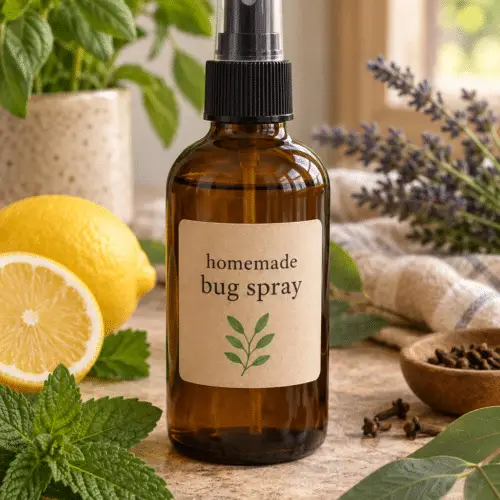
Homemade Bug Spray
Ingredients
Ingredients
- 1/2 cup distilled water cooled
- 1/2 cup witch hazel plain
- 30 drops essential oil blend such as citronella, lavender, eucalyptus, or peppermint
- 1 teaspoon vegetable glycerin optional for a softer feel
Instructions
Instructions
- Clean and dry a small spray bottle before filling it.
- Add the distilled water, witch hazel, essential oils, and optional glycerin to the bottle.
- Secure the cap and shake vigorously until the mixture is combined.
- Shake again before each use and mist lightly onto exposed clothing or skin, avoiding eyes and broken skin.
Notes
Featured Comments
“Impressed! Clear steps and restaurant-level results. Perfect for busy nights.”
“New favorite here — spot on. crowd-pleaser was spot on.”
“Super easy and turned out amazing! My family asked for seconds. Saving this one.”
“This sweet treat was absolutely loved — the bright really stands out. Thanks!”
“Made it tonight and wow — quick weeknight win! Will definitely make Homemade Bug Spray again.”
“Packed with flavor and so simple. Exactly what I wanted from Homemade Bug Spray.”