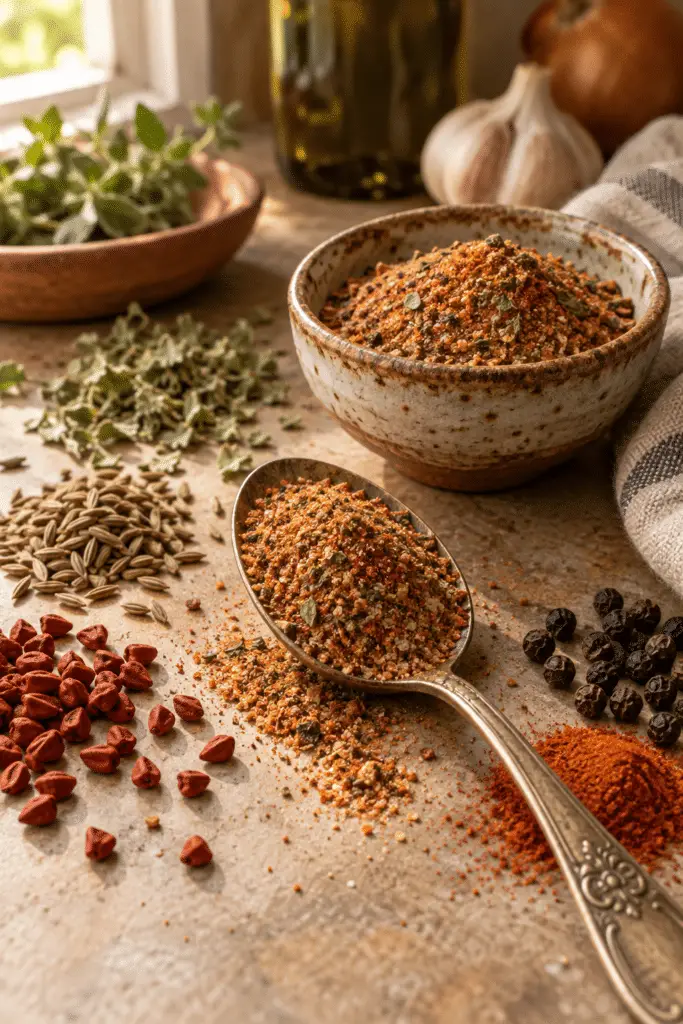
Homemade Cuban seasoning brings earthy cumin, fragrant oregano, savory garlic and onion, warm annatto, and a controlled cayenne heat together in one useful blend. This homemade Cuban seasoning takes only a few minutes to mix, stores neatly in a jar, and gives beans, rice, roasted vegetables, chicken, fish, and soups a lively Latin-inspired finish. Keep the annatto seeds and peppercorns whole for texture, or grind the blend for a smoother all-purpose powder.
What is homemade Cuban seasoning?
This is a pantry spice mix built around annatto seeds, cumin, oregano, garlic powder, onion powder, cayenne, peppercorns, sugar, and optional salt. Annatto contributes a brick-red color and gently earthy flavor; cumin adds depth, while oregano keeps the blend herbal. The small amount of sugar rounds the sharper spices rather than making the mix sweet.
Why this Cuban spice blend works
The ingredients cover several flavor directions at once: savory aromatics, warm spices, herbal lift, peppery heat, and a subtle sweet balance. Because the blend is dry, it can be stirred into oil for a quick marinade, rubbed onto vegetables before roasting, or added directly to a simmering pot. Adjust the cayenne only after deciding how you will use it, since a seasoning for soup can be stronger than one sprinkled over finished food.
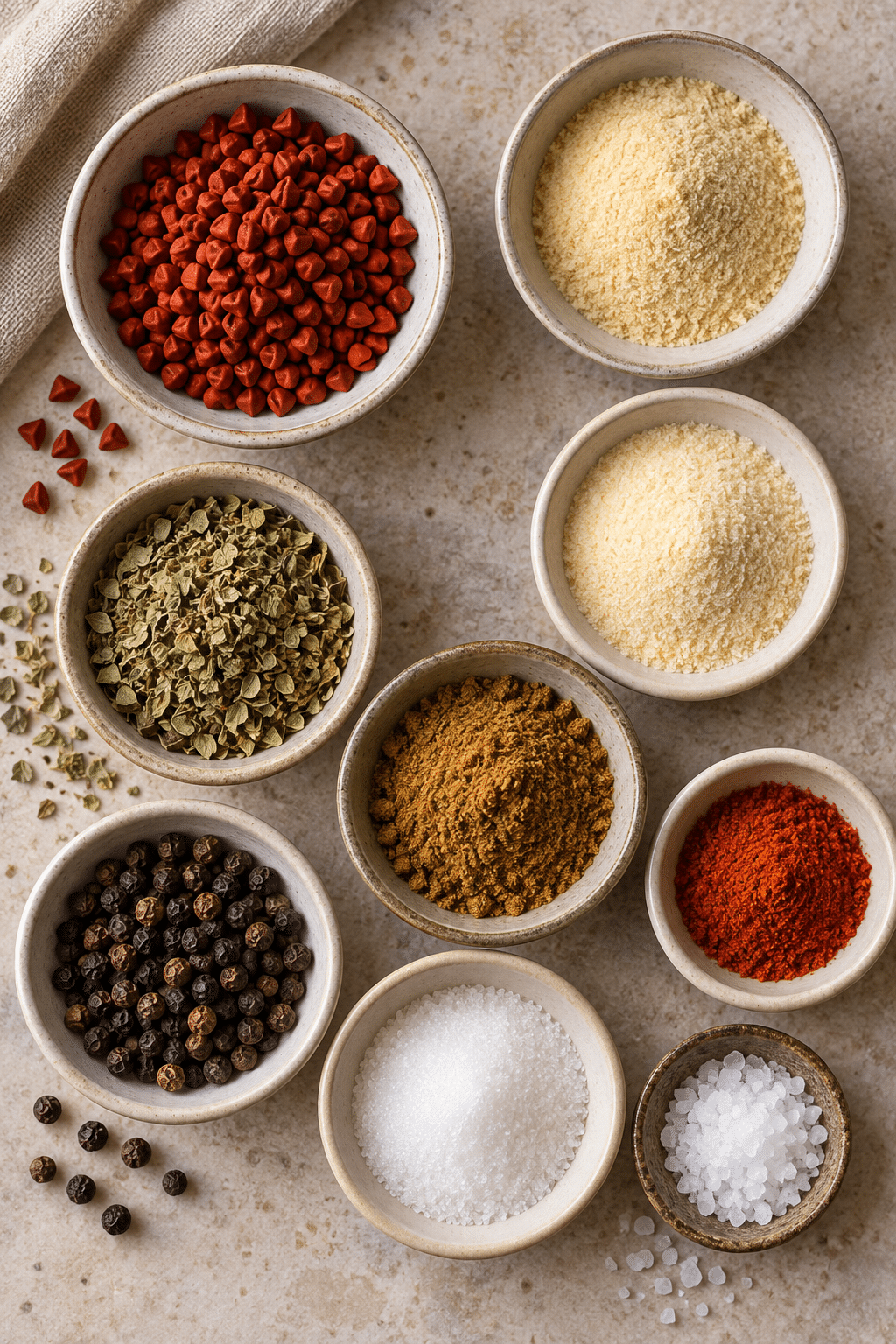
Ingredients for homemade Cuban seasoning
Measure the spices carefully for a balanced jar. Annatto seeds and peppercorns can remain whole, but grinding them creates a more uniform seasoning.
- 1 tablespoon annatto seeds
- 1 tablespoon onion powder
- 1 tablespoon garlic powder
- 1 tablespoon dried oregano
- 1 tablespoon ground cumin
- 1 tablespoon cayenne pepper
- 1 tablespoon whole peppercorns
- 1 tablespoon coconut palm sugar or brown sugar
- 1/4 teaspoon salt, optional
How to make homemade Cuban seasoning
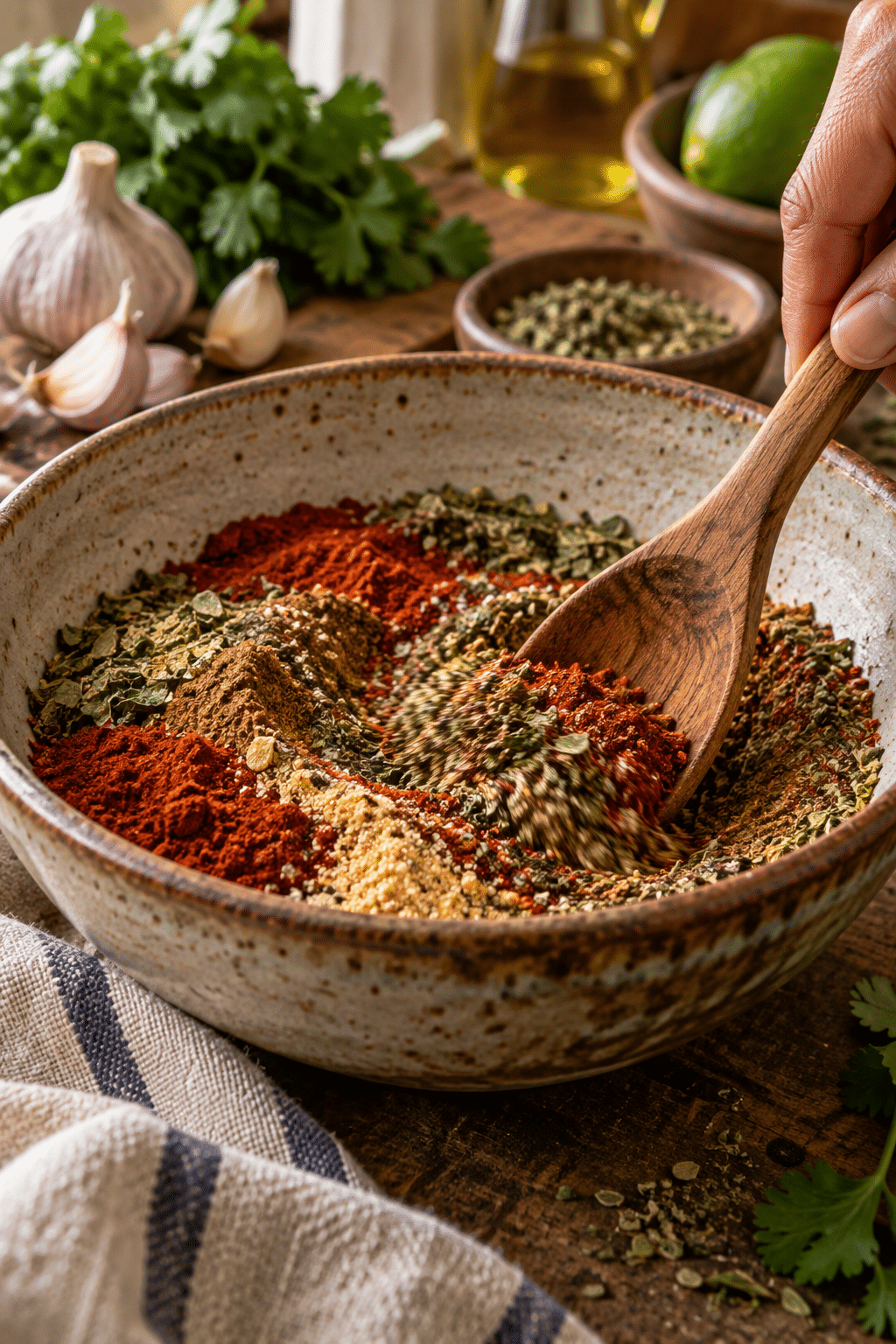
Use a dry bowl and a clean jar with a tight lid. Moisture is the main enemy of a long-lasting spice blend, so let any recently toasted ingredients cool fully before combining.
- Add all the ingredients to a bowl and mix well.
- Transfer the blend to a bottle as is, or grind it before storing.
How to use the blend
Start with 1 to 2 teaspoons per pound of chicken, pork, fish, tofu, or vegetables. For rice and beans, stir in a teaspoon or two during cooking and taste near the end. To make a quick paste, combine the seasoning with olive oil and a squeeze of lime; use it immediately as a coating rather than storing the wet mixture.
Serving ideas
Use this seasoning on roasted potatoes, black beans, rice, corn, shrimp, chicken thighs, or a sheet pan of peppers and onions. It also gives a simple tomato soup extra body. A concrete weeknight use case is tossing cauliflower with oil and the blend, then roasting until the edges are browned and crisp.
Tips and optional variation
For the clearest flavor, use fresh spices and grind only what you need. If the peppercorns feel too assertive, grind them finely so they distribute rather than landing in occasional hot bites. Optional variation: replace half of the cayenne with sweet paprika for a gentler blend with more color. This changes the heat, so label the jar with the adjustment.
Storage and freshness
Store the dry blend in an airtight jar in a cool, dark cupboard. Keep it away from steam rising from the stove and always use a dry spoon. The mix is best while the oregano and cumin smell vivid; if the aroma fades or the jar has absorbed moisture, make a fresh batch. Do not refrigerate the dry blend, because condensation can cause clumping.
Search answers about Cuban seasoning
Can I use ground annatto?
Yes. Ground annatto makes a smoother blend and can replace the whole seeds by volume, though the finished color may spread more evenly.
Is Cuban seasoning spicy?
This version has noticeable cayenne heat. Reduce the cayenne for a milder family blend, or add it gradually when seasoning a dish.
What does Cuban seasoning go with?
It pairs especially well with beans, rice, chicken, seafood, roasted vegetables, soups, and citrus-forward marinades.
FAQ: Frequently asked questions
For the primary method, remember these exact steps: Add all the ingredients to a bowl and mix well. Transfer the blend to a bottle as is, or grind it before storing. The first step distributes the fine powders around the larger spices, while the second determines whether the finished blend is rustic or smooth. This small distinction matters when you are rubbing the seasoning onto food, because an even powder clings more readily to oil-coated surfaces.
If you are preparing the mix for a busy week, measure several batches at once and label each jar with the date and heat level. Keep one jar beside the everyday oils and vinegars, and reserve another in the pantry for longer storage. The blend is especially helpful when a recipe needs depth but you do not want to open several spice jars. Taste the finished dish before adding extra salt, since broths, canned beans, and sauces may already contain plenty.
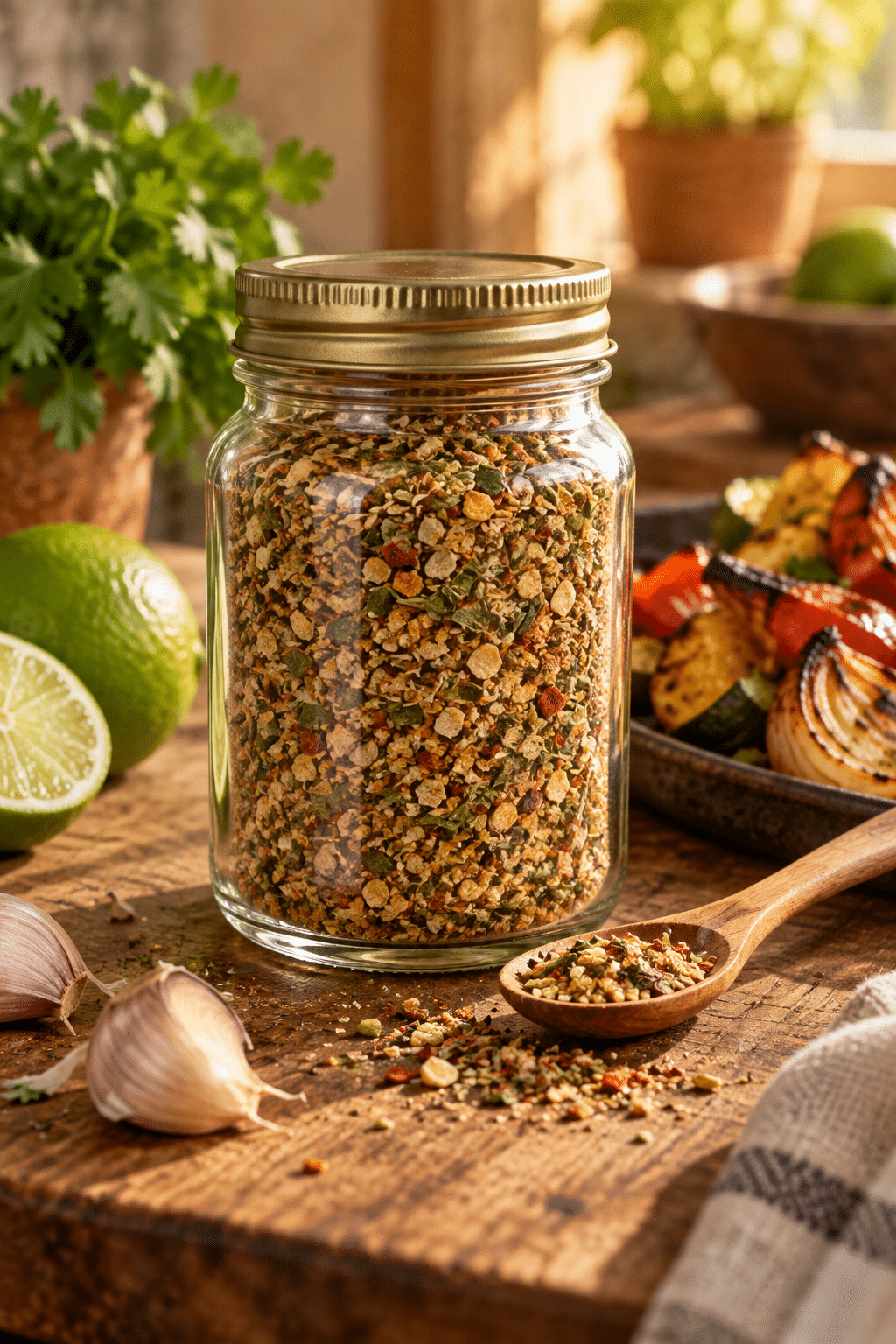
Keep this homemade Cuban seasoning within easy reach and it can turn a plain pantry meal into something warm, aromatic, and colorful with almost no extra work.

Homemade Cuban Seasoning
Ingredients
Ingredients
- 1 tablespoon annatto seeds whole
- 1 tablespoon onion powder
- 1 tablespoon garlic powder
- 1 tablespoon dried oregano
- 1 tablespoon ground cumin
- 1 tablespoon cayenne pepper
- 1 tablespoon whole peppercorns
- 1 tablespoon coconut palm sugar or brown sugar
- 1/4 teaspoon salt optional
Instructions
Instructions
- Add all the ingredients to a bowl and mix well.
- Transfer the blend to a bottle as is, or grind it before storing.