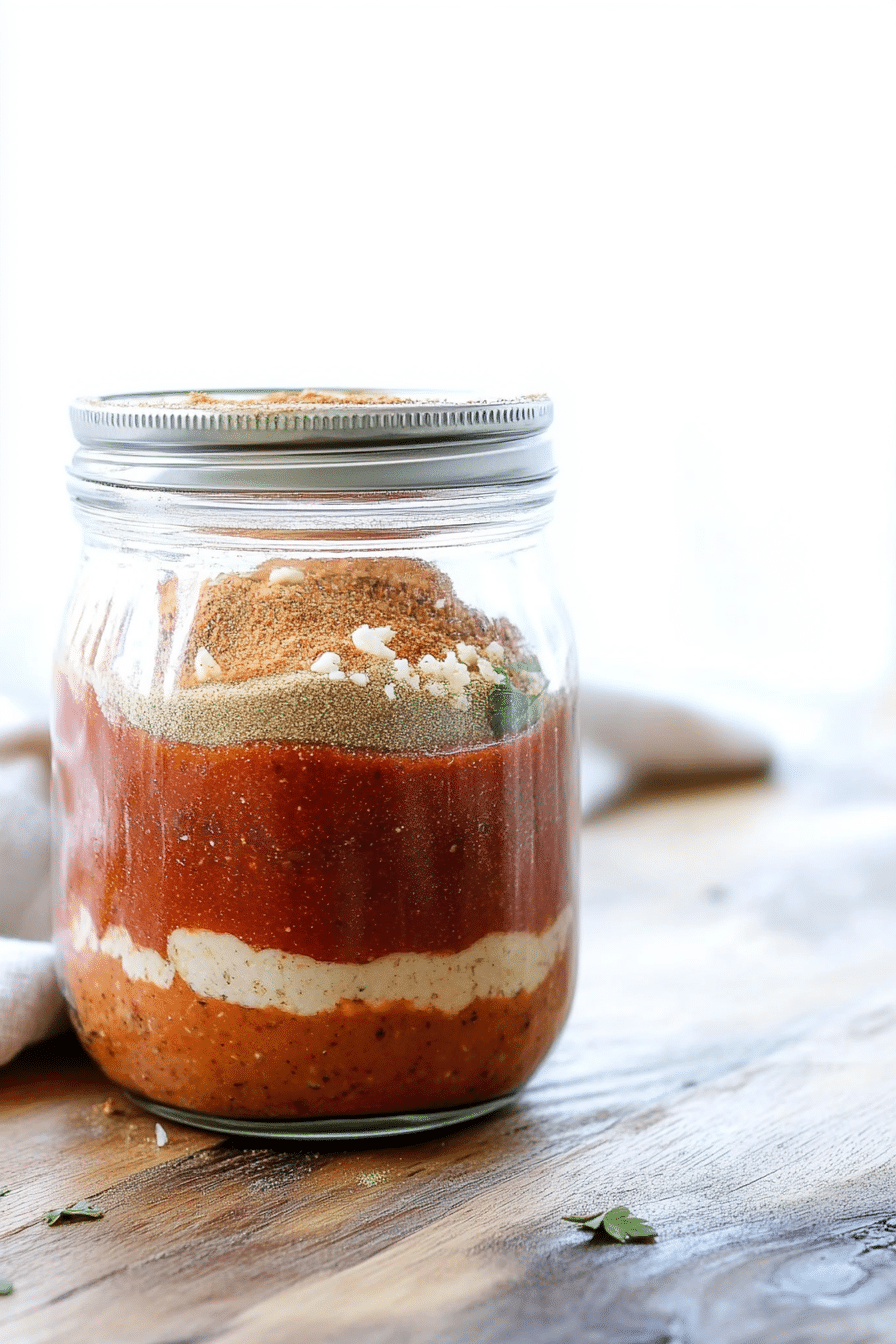
I’ve been making Tuscan stewed beans for as long as I can remember, the kitchen always filled with the warm scent of olive oil, garlic, and tomatoes. This isn’t a fancy, overworked dish; it’s the one I reach for on busy weeknights when we’re running late but still crave something comforting and soulful. It’s essentially a rustic beans-and-tarzan-of-a-tinish sauce that tastes like it cooked itself while I was setting the table. Think of it as a lighter, more herb-forward cousin to a hearty minestrone, with the heartiness of beans and the bright, sun-kissed notes you’d expect from Tuscan cooking. The first time I served it with crusty bread, I heard “this is exactly what I want after a long day” from the whole crew. It’s amazing how a simple pot of beans can taste like a family hug. I always do this with a splash of good olive oil at the end, and the aroma alone draws everyone to the stove.
What is Tuscan Stewed Beans?
Tuscan Stewed Beans is a humble, deeply comforting dish made by simmering creamy beans in a bright tomato-based broth with garlic, onions, and a handful of herbs. The name nods to Tuscany’s love of simple, high-quality ingredients that let the produce shine—beans, tomatoes, olive oil, herbs, and a little salt to bring things together. It’s essentially a minimalist, pantry-friendly stew that tastes like it’s been simmering for hours, even if you’ve just started. Think of it as the kind of recipe you can improvise with what you have on hand: a can of beans, a splash of stock, a handful of parsley, and maybe a lemon zest finish. It’s friendly for weeknights, budget-conscious cooks, and anyone who loves a dish that feels nourishing without fuss. And yes, it’s perfect for dipping crusty bread into at the end of the day—the way the tomato-y broth clings to a slice is unbeatable.
How do I make Tuscan Stewed Beans?
Quick Overview
In a sturdy pot, you’ll start with aromatics—onion, garlic, and carrot—softened gently in olive oil. Then you’ll bloom in tomato paste and herbs, add beans and tomatoes with a splash of stock, and let everything simmer until the sauce thickens to a glossy, cozy coat that clings to each bean. The finishing touch is a bright drizzle of olive oil and a pinch of lemon zest or fresh parsley to lift the dish. It’s simple enough to pull off on a weeknight, but the flavor reads as something you’d marvel at on a weekend. The trick is to let the simmering do the work—the longer it sits, the more the flavors marry and mellow. If you don’t have dried beans ready to go, canned beans work beautifully here; just rinse well and treat them as you would dried beans that are already cooked—soft, creamy, and ready to absorb flavor.
Ingredients
For the Main Beans Base:
– 2 cups cooked cannellini beans (or 2 cans, drained and rinsed)
– 2 tablespoons extra-virgin olive oil
– 1 small onion, finely chopped
– 2 cloves garlic, minced
– 1 carrot, finely diced
– 1 celery stalk, finely diced
– 1 tablespoon tomato paste
– 1 can (14 oz) crushed tomatoes or whole tomatoes, crushed by hand
– 1 cup vegetable or chicken stock (adjust to desired consistency)
– 1 teaspoon dried oregano
– 1/2 teaspoon dried thyme
– 1 bay leaf
– Pinch of Red Pepper flakes (optional)
– Salt and black pepper to taste
For the Filling:
– 2 tablespoons chopped fresh parsley
– 1 tablespoon chopped fresh sage or rosemary (optional)
– 1 teaspoon lemon juice or a light zest of lemon
– Extra pinch of salt to taste
For the Glaze:
– 2 tablespoons extra-virgin olive oil
– Zest of 1/2 lemon
– 1 tablespoon chopped fresh parsley or basil
– A tiny pinch of flaky salt
Step-by-Step Instructions
Step 1: Preheat & Prep Pan
Warm a sturdy pot over medium heat and drizzle in the olive oil. I like a heavy-bottomed Dutch oven here because it keeps the heat steady and loves sauce. While the oil warms, dice onion, carrot, and celery so everything cooks evenly. The aromatics are the flavor foundation, and I’ll tell you a secret I learned after years: small diced veggies melt into the sauce and keep it silky instead of gritty.
Step 2: Mix Dry Ingredients
Stir in oregano, thyme, and the red pepper flakes if you’re using them. This is your spice bouquet, so give it a quick toast in the oil for about 30 seconds until the herbs become fragrant. It’s the little moment where the kitchen smells like a memory in the making, and it’s totally worth pausing to enjoy.
Step 3: Mix Wet Ingredients
Add the onion, carrot, and celery to the pot. Sauté until they’re translucent and the edges start to caramelize a touch—this brings a gentle sweetness to the stew. Then drop in the garlic and tomato paste; stir for another minute so the paste loses its raw bite and shadowy tomato flavor begins to bloom.
Step 4: Combine
Pour in the crushed tomatoes and stock, then drop in the bay leaf. Stir in the beans gently, so you don’t mash them. Bring the pot to a simmer, then reduce the heat to low and let it bubble gently. A good simmer allows the flavors to merge without breaking apart the beans. If you want a thicker sauce, uncover and let it reduce for 10–15 minutes while you prep the finishing touches.
Step 5: Prepare Filling
In a small bowl, mix the chopped parsley, sage (if using), and lemon juice. This is your bright finishing touch—something to lift the whole dish as it sits on the table. You can also mix in a pinch of salt to wake up the greens. If you want a stronger herbal punch, add a bit more parsley at the end of cooking. This is the moment I always sneak in a little lemon zest; it makes the dish feel lighter and livelier in your mouth.
Step 6: Layer & Swirl
Taste the pot and adjust salt. Then swirl in the herb mixture and drizzle a bit of extra olive oil over the top. A shallow swirl helps distribute the fresh herbs, and the olive oil sheen makes the sauce look glossy and irresistible. If you like, you can reserve a few beans to smash lightly against the side of the pot, creating a natural marbling in the sauce—this is purely for the eyes, but it’s pretty.
Step 7: Bake
Preheat your oven to 375°F (190°C). Transfer the pot to a heavy, ovenproof dish or leave it in the pot if it’s oven-safe. Bake for 15–20 minutes, just long enough for the flavors to deepen and the top to pick up a hint of caramelization. If you’re not baking, simply keep the pot on the stove at a gentle simmer for another 10 minutes to meld the flavors. Either method yields a rich, comforting stew with a glossy finish.
Step 8: Cool & Glaze
Let the Tuscan Stewed Beans rest for about 5 minutes after it leaves the heat. A brief rest helps the sauce thicken a touch and makes the flavors settle. Whisk together the glaze ingredients and drizzle over the top, or simply finish with a generous drizzle of olive oil and a pinch of lemon zest. The glaze isn’t heavy; it’s a light, bright cap that makes the dish feel completely polished and ready for a photo if you’re into that kind of thing.
Step 9: Slice & Serve
There’s no need to slice beans, of course, but you’ll ladle the Tuscan Stewed Beans into bowls and scatter a bit more chopped parsley on top for color. Serve with crusty bread or rustic crostini for sopping up that silky sauce. A scoop of creamy polenta or a soft fried egg on top can turn this into a heartier meal. The steam will carry sunshine and garlic through your kitchen, and your table will feel like a little Tuscan trattoria for a night. My family loves dipping warm bread and watching the steam rise as the aroma fills the room—it’s pure comfort in a pot.
What to Serve It With
These beans are versatile enough to be the star, or a comforting side. Here are a few ideas that fit different occasions and moods.
For Breakfast: Warm, rustic bread with a light smear of ricotta, a spoonful of the beans, and a soft-boiled egg perched on top. A drizzle of olive oil and a pinch of flaky salt makes it feel indulgent but still honest. Pair with a simple cup of strong coffee or a latte to start the day with savory calm.
For Brunch: Serve alongside creamy polenta rounds or toasted baguette slices. A poached egg on top works beautifully if you want to add protein. A bright citrus salad on the side keeps everything fresh. Garnish with extra parsley and a light lemony drizzle to wake up the flavors.
As Dessert: I know it sounds odd, but a small, playful twist can be a thing: a tiny spoonful of sweetened ricotta and a few citrus zest shavings over the top can create a surprising, almost Mediterranean-tusion finish. It’s not traditional dessert, but it’s one of those “what if” moments that can delight friends who love savory-sweet contrasts. If you’d rather keep it strictly savory, serve with a citrus glaze-heavy crostini and a honeyed yogurt dip on the side for balance.
For Cozy Snacks: Set out bowls of beans with toasted bread on the side and let everyone assemble their own small bowls. A little extra garlic bread, a sprinkle of Parmesan, and a fresh arugula salad makes it a casual, comforting evening snack that feels special without turning into a full meal.
Top Tips for Perfecting Your Tuscan Stewed Beans
These tips come from countless bowls shared with friends and family—each adjustment teaching me a bit more about this simple dish.
Bean Prep: If you’re using dried beans, soak overnight and cook until just tender. If you’re sticking with canned beans, rinse thoroughly to remove excess sodium. You want beans that are cozy and creamy, not mushy or grainy. I sometimes reserve a few whole beans to press into the side of the pot near the end for texture variation.
Mixing Advice: When you’re sautéing aromatics, keep the heat medium-low to avoid browning too aggressively; this preserves the gentle sweetness. Don’t rush the simmer; a patient simmer helps the sauce thicken and perfume your kitchen with tomato-laced richness. If the sauce thickens too fast, add a splash more stock or water to loosen it slightly, then let it recover its sheen as it cooks.
Swirl Customization: The finishing swirl is where you can personalize the dish. Use a bright extra-virgin olive oil, lemon zest, and a handful of chopped parsley for a fresh lift. Or swap in fresh thyme and a touch of chili flakes for a warmer, woodsy note. If you prefer a nuttier finish, toss in a tablespoon of toasted pine nuts right before serving.
Ingredient Swaps: White beans work just as well as cannellini; chickpeas will change the texture but still taste wonderful with the same aromatics. If you don’t have crushed tomatoes, rough-chop a few ripe tomatoes and simmer longer. For a deeper finish, add a small splash of dry white wine after the onions have softened, letting it reduce before adding the stock.
Baking Tips: Baking isn’t mandatory, but it does shine a little extra flavor into the pot. If you skip the oven, just simmer on the stove until the sauce thickens to your liking. If you do bake, keep an eye on it to prevent the beans from drying out; you want a glossy, cohesive sauce, not a dry one.
Glaze Variations: The lemon-olive glaze is bright, but you can also try a garlic-lemon glaze by sautéing a clove of garlic in the oil before adding the glaze ingredients. For a more herby finish, fold in extra chopped parsley or basil right before serving. If you prefer a glossy finish without extra oil, whisk a teaspoon of olive oil into a tablespoon of the hot sauce just before serving.
Over the years I’ve learned that the heart of this dish isn’t the exact ingredients but how calmly you treat them. Slow, patient cooking with a small flame—that’s what unlocks the Tuscan soul in these beans. It’s a dish that rewards you for letting it rest a bit, for tasting along the way, and for embracing the little tweaks you discover as you cook it more than once. This is the kind of recipe that becomes a warm thread through your week—nostalgic, practical, and deeply satisfying.
Storing and Reheating Tips
These beans keep wonderfully, which makes them perfect for make-ahead meals or a last-minute lunch. Here’s how I store, reheat, and maintain the best texture and flavor.
Room Temperature: If you’re serving right away, keep any leftovers in a covered dish for up to two hours on the counter. After that, refrigerate to prevent any risk of spoilage. The flavor can actually deepen after a night in the fridge, so don’t worry if it tastes a touch stronger the next day.
Refrigerator Storage: Store in an airtight container for up to 4 days. If the beans have absorbed too much liquid, just splash in a little water or stock when you reheat. The texture may loosen a bit after storing, but a quick stir and gentle heat will bring back the silkiness.
Freezer Instructions: You can freeze Tuscan Stewed Beans in a freezer-safe container for up to 3 months. Thaw overnight in the fridge, then reheat gently on the stove with a splash of stock to loosen if necessary. Freezing can soften the texture a touch, but it still tastes glorious and comforting.
Glaze Timing Advice: If you’re freezing, skip adding the glaze until you reheat. You can whisk the glaze into the pot at the end or drizzle fresh after reheating to keep the bright note intact. Glazing on the day you cook yields the most vibrant aroma and color, but you can adapt easily if you’re preparing in advance.
Quality indicators to watch for: the beans should be tender but not mushy, the sauce should cling to each bean, and the overall flavor should taste balanced between acidity from tomatoes, savoriness from olive oil and garlic, and a gentle herbal lift.
Frequently Asked Questions
Final Thoughts
Tuscan Stewed Beans is the kind of recipe that feels like a warm conversation with a friend. It’s forgiving, soulful, and incredibly satisfying, especially when there’s a crusty loaf waiting to soak up that glossy sauce. I love how adaptable it is—swap in whatever herbs you have on hand, adjust the spice level to suit your crew, and still end up with something that tastes like it came from a small Tuscan kitchen rather than a big restaurant. If you’re new to this dish, give it a try on a quiet weekend and let your senses lead you—watch the steam rise, smell the garlic mellowing in olive oil, and taste the bright finish of lemon and parsley. I hope you’ll share your own twists in the comments—I can’t wait to hear how you make it your own. Happy cooking, friends!


Tuscan Stewed Beans
Ingredients
Main Ingredients
- 2 tablespoons olive oil
- 1 medium onion, chopped
- 2 cloves garlic, minced
- 0.5 teaspoon red pepper flakes
- 2 cans cannellini beans, drained and rinsed 15 ounce cans
- 1 can diced tomatoes, undrained 14.5 ounce can
- 2 cups vegetable broth
- 0.5 teaspoon dried rosemary
- 0.5 teaspoon dried thyme
- 0.5 teaspoon salt or to taste
- 0.25 teaspoon black pepper or to taste
- 0.5 cup kale, chopped stems removed
- 0.5 cup crusty bread, for serving optional
Instructions
Preparation Steps
- Heat olive oil in a large pot or Dutch oven over medium heat. Add chopped onion and cook until softened, about 5-7 minutes.
- Add minced garlic and red pepper flakes and cook for another minute until fragrant.
- Stir in the drained and rinsed cannellini beans, diced tomatoes (with their juice), and vegetable broth. Add dried rosemary and thyme.
- Bring the stew to a simmer, then reduce heat to low, cover, and cook for at least 30 minutes, or until the beans are tender and the flavors have melded.
- Season with salt and black pepper to taste.
- Stir in the chopped kale and cook for another 5 minutes, or until wilted.
- Serve hot, garnished with crusty bread if desired.
Notes
Featured Comments
“Impressed! Clear steps and turned out amazing results. Perfect for busy nights.”
“New favorite here — turned out amazing. crowd-pleaser was spot on.”
“Super easy and turned out amazing! My family asked for seconds. Saving this one.”
“This sweet treat was absolutely loved — the buttery really stands out. Thanks!”
“Made it tonight and wow — turned out amazing! Will definitely make Tuscan Stewed Beans again.”
“Packed with flavor and so simple. Exactly what I wanted from Tuscan Stewed Beans.”