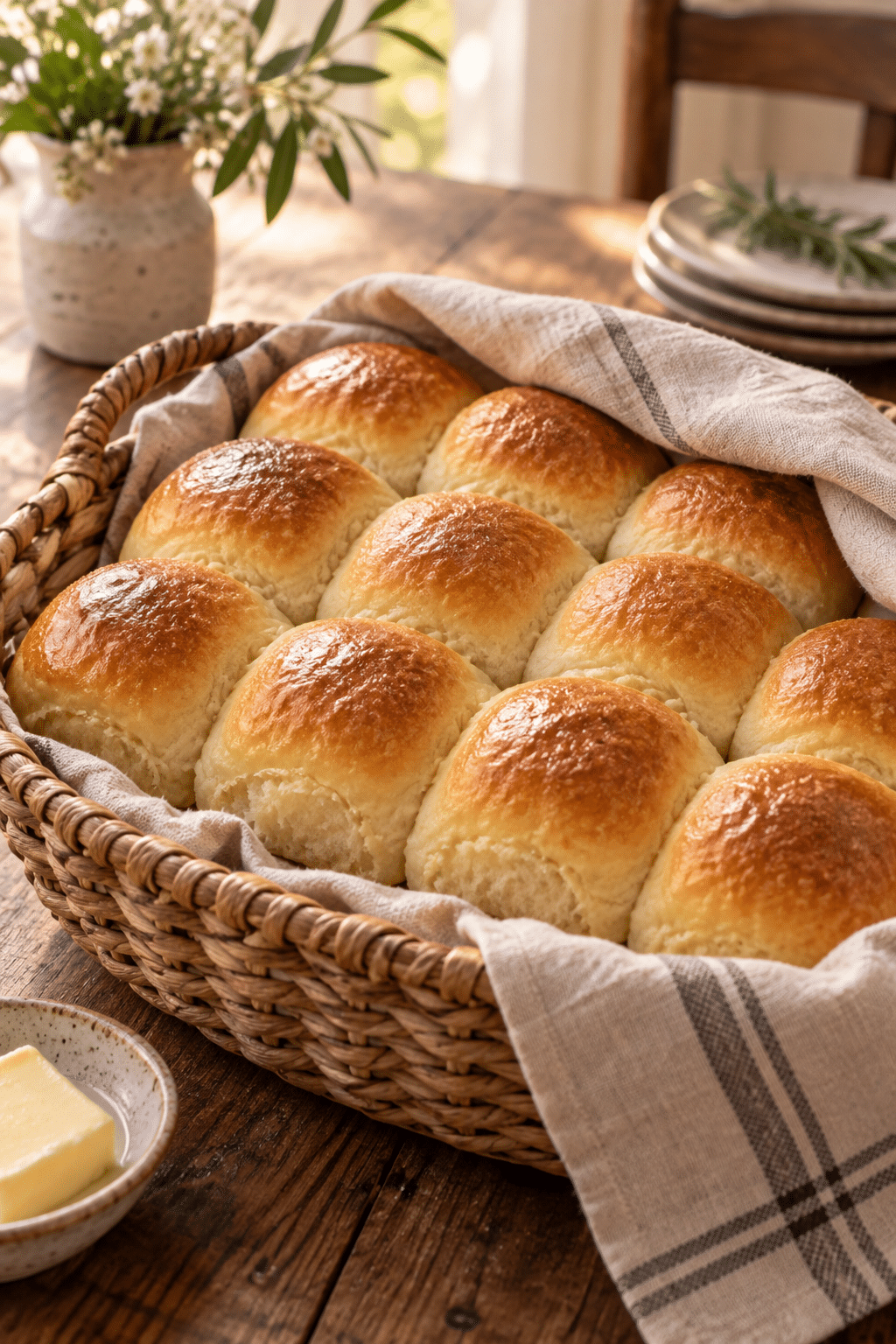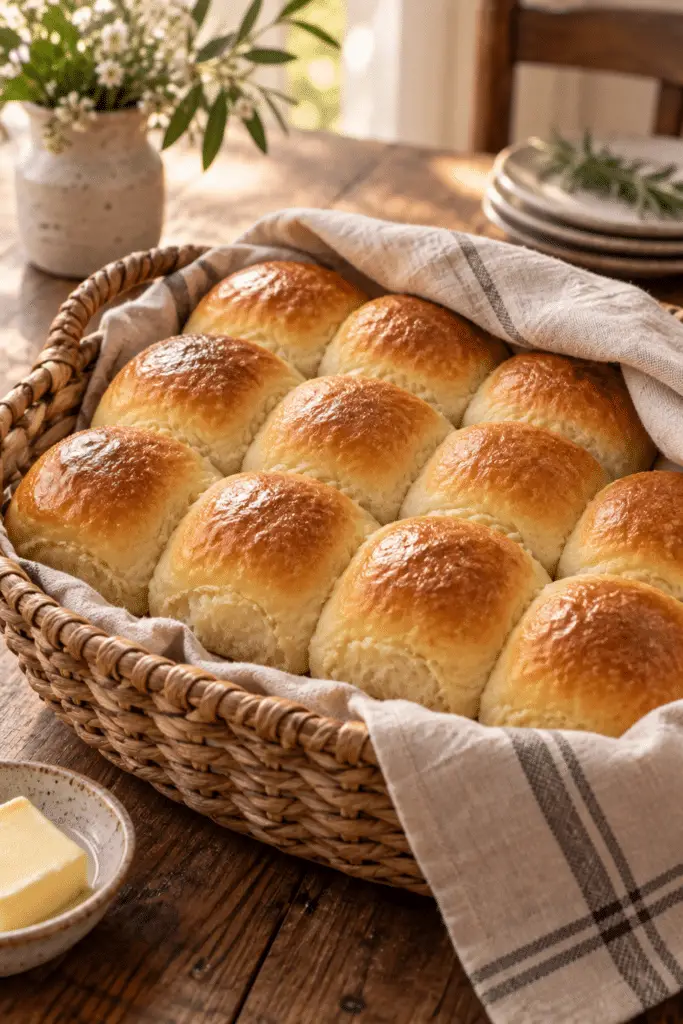
These gluten free rolls are soft, lightly buttery, and sturdy enough for a dinner plate without feeling heavy. The dough comes together in one bowl with warm milk, yeast, eggs, and a gluten-free flour blend, then rises until visibly puffy before baking. A muffin tin gives the rolls neat sides, while a baking dish makes a pull-apart cluster. Serve them warm with soup, roast chicken, or a holiday meal.
What makes these gluten free rolls useful
Gluten-free yeast dough behaves differently from wheat dough. It is wetter and stickier because it does not develop an elastic gluten network, so there is no need to knead it or wait for a dramatic doubled rise. The finished dough should look thick and scoopable. Eggs add structure, butter keeps the crumb tender, and a little vinegar helps balance the richness.
These rolls are designed for a flour blend that already contains xanthan gum. That ingredient helps the dough hold air as it rises. If your blend does not include it, add the amount recommended on its package before mixing. Keep the milk warm rather than hot; overheated milk can weaken the yeast.
Why the simple method works
Blooming the yeast first gives you an early check that it is active. Whisking the dry ingredients separately distributes the salt and sugar, while adding the eggs and cooled butter to the milk keeps the wet mixture smooth. Once everything is combined, stir only until no dry pockets remain. Overmixing is unnecessary for this style of dough.
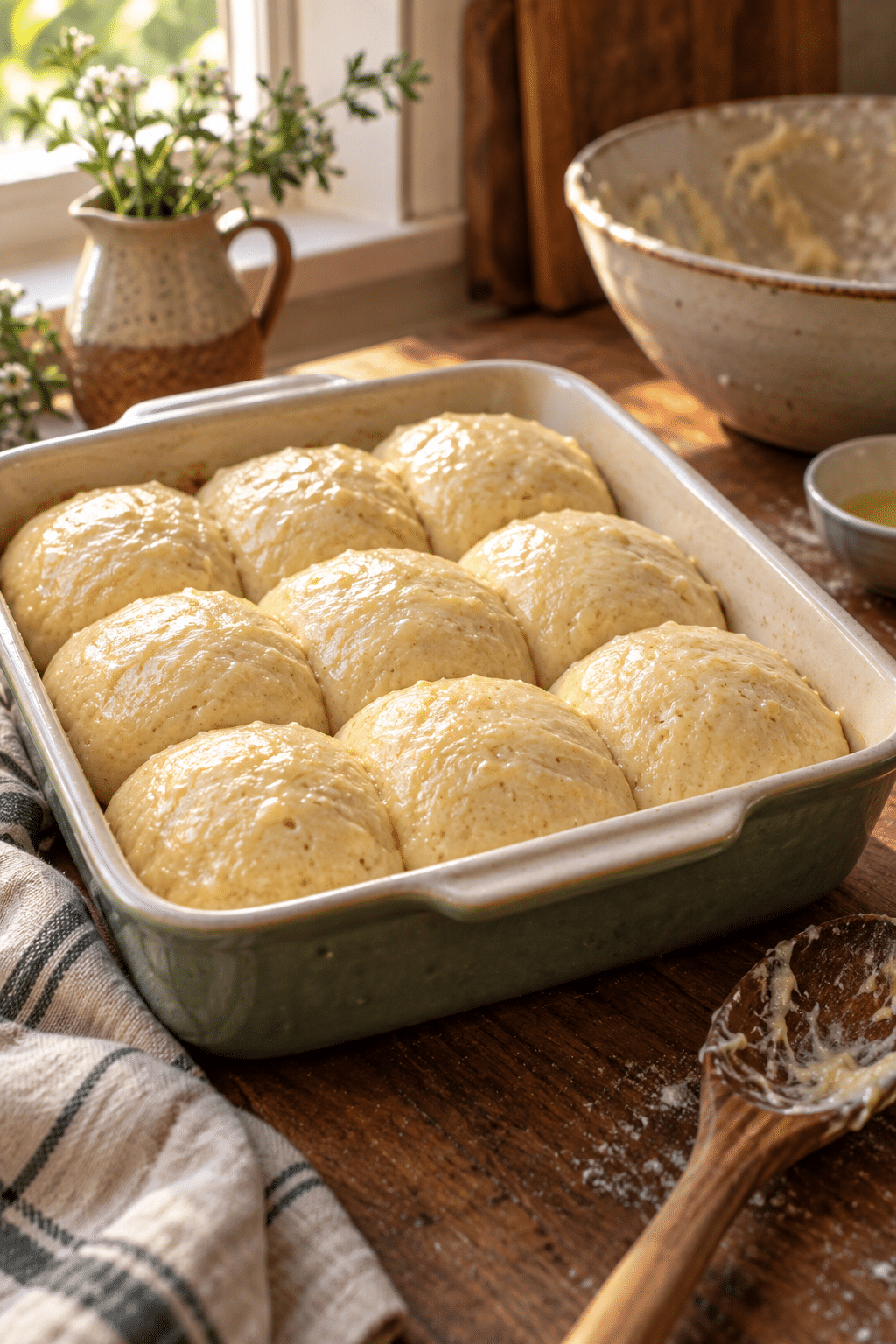
A slow, visible rise is more useful than a strict doubling target. Look for rounded tops and a lighter, aerated texture. A warm, draft-free spot speeds the process, but do not place the bowl on a hot surface. If the dough barely changes after an hour, the yeast may be old or the room may be too cool.
Ingredients for 12 rolls
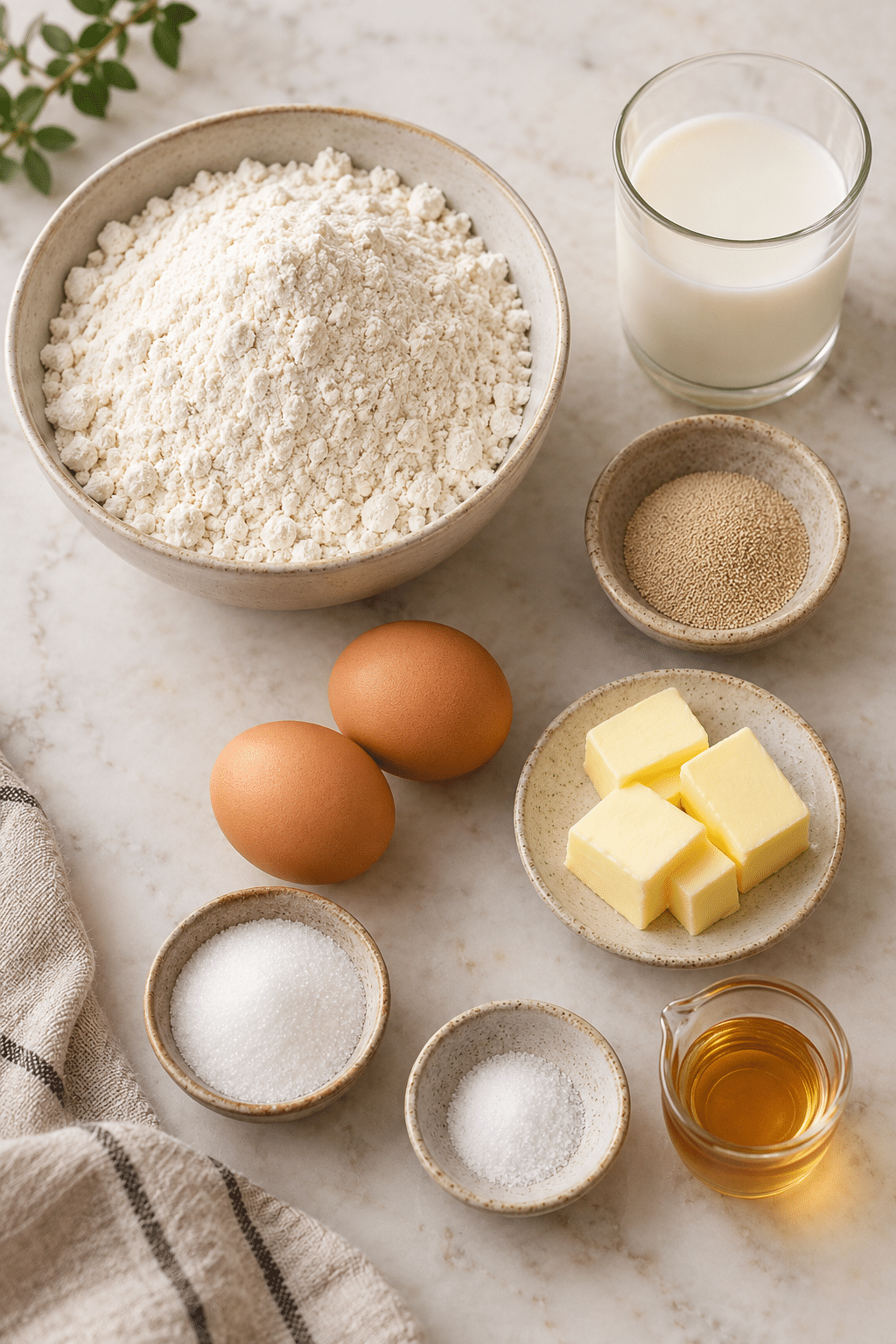
- 1 1/2 cups warm whole milk, about 110°F
- 2 1/4 teaspoons active dry yeast
- 2 tablespoons granulated sugar, divided
- 2 1/2 cups gluten-free all-purpose flour blend with xanthan gum
- 1 teaspoon fine salt
- 2 large eggs, at room temperature
- 4 tablespoons unsalted butter, melted and slightly cooled
- 1 teaspoon apple cider vinegar
- 1 tablespoon melted butter for brushing
How to make gluten free rolls
Set out the ingredients and grease either a 12-cup muffin tin or a 9-inch baking dish. The muffin tin creates individual rolls with browned edges; the baking dish keeps the sides softer and makes a shareable cluster.
- Stir the warm milk, yeast, and 1 tablespoon of the sugar together. Rest for 5 to 10 minutes, until foamy.
- Whisk the gluten-free flour blend, remaining sugar, and salt in a large bowl.
- Whisk the eggs, melted butter, and vinegar into the yeast mixture, then stir the wet mixture into the dry ingredients until a thick, sticky dough forms.
- Divide the dough among 12 greased muffin cups or place rounded scoops in a greased 9-inch baking dish. Smooth the tops with a damp spoon.
- Cover loosely and let the dough rise in a warm spot for about 60 minutes, until visibly puffed.
- Heat the oven to 375°F. Brush the risen dough with melted butter and bake for 20 to 22 minutes, until golden and the centers feel set.
- Cool the rolls for 10 minutes before serving.
How to tell when they are done
Look for an even golden surface and edges that pull slightly away from the pan. The tops should spring back gently when pressed. If the rolls brown before their centers are set, tent them loosely with foil for the final minutes. Avoid slicing immediately from the oven; a short rest lets the crumb finish setting without drying out.
Serving ideas
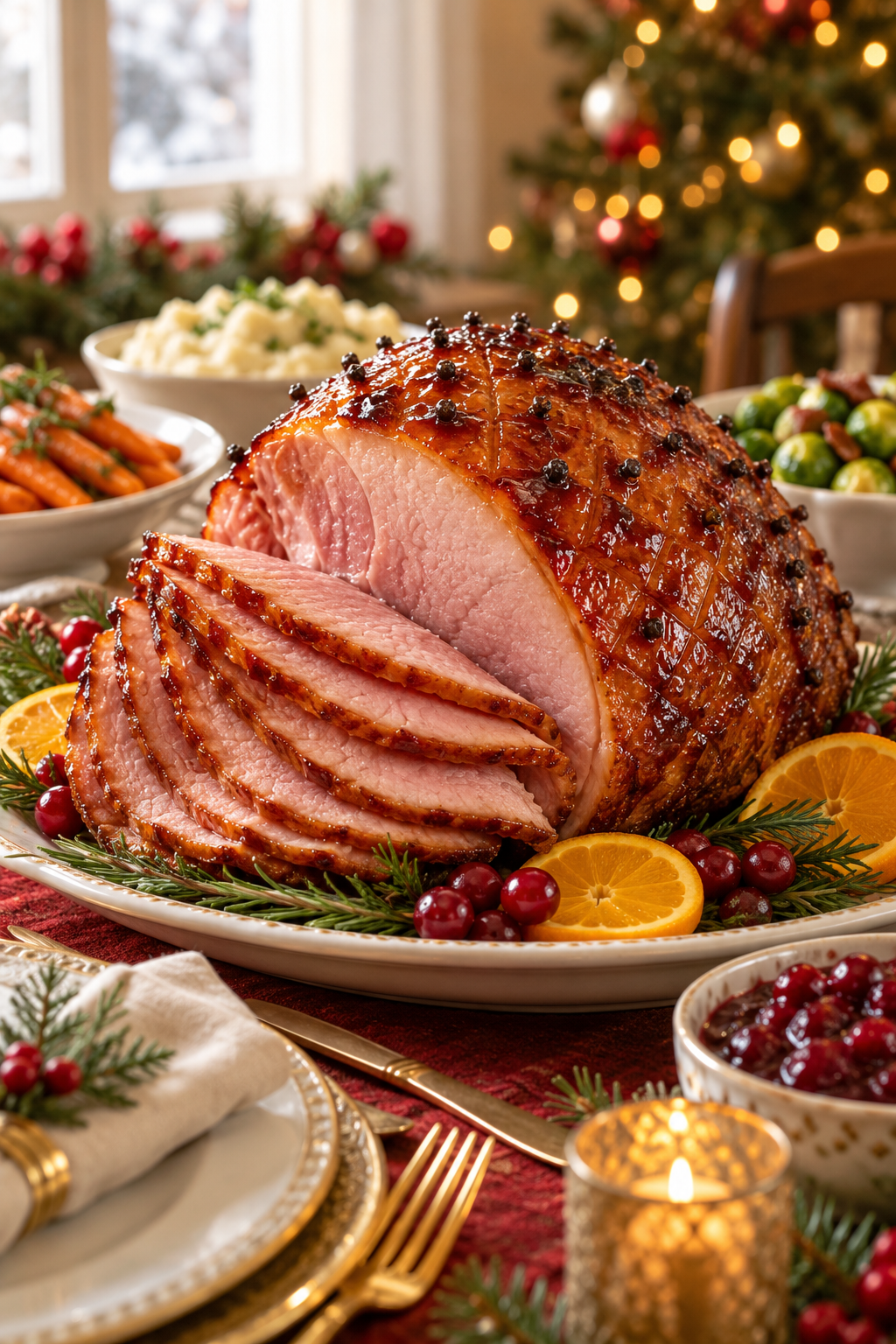
Serve these rolls warm with salted butter, honey butter, or a bowl of creamy soup. They also work beside roast chicken, baked ham, or a vegetable casserole because their mild flavor does not compete with a main dish. For breakfast, split a cooled roll and toast it before adding eggs or jam.
For a dinner-party presentation, bake the dough in a round dish and brush the tops with butter as soon as they come out. For everyday meals, the muffin tin is convenient because each roll can be lifted out individually.
Tips and optional variation
Use room-temperature eggs so they do not cool the yeast mixture. Measure the flour by spooning it into a cup and leveling it, or use a scale if your blend provides a gram weight. Because gluten-free blends vary, the dough may be a little thicker or looser; it should still be soft enough to scoop but firm enough to mound.
Optional variation: add 1 teaspoon of dried rosemary or 2 tablespoons of finely chopped chives to the dry ingredients. This changes the flavor without changing the dough method. Keep the primary recipe plain if you want rolls that suit both sweet and savory meals.
Storage and reheating
Cool leftovers completely, then store them airtight at room temperature for one day or refrigerate them for up to four days. Refrigeration firms the crumb, so reheat the rolls in a 300°F oven for 8 to 10 minutes, or microwave one roll briefly under a damp paper towel. Freeze cooled rolls in a sealed bag for up to two months and thaw them at room temperature before warming.
Search answers about gluten free rolls
Can gluten free rolls rise?
Yes. Yeast still produces carbon dioxide in gluten-free dough, but the rise may look more modest because there is no gluten network to stretch dramatically. Use a warm environment and judge readiness by puffiness.
How do you keep gluten free rolls soft?
Use enough liquid and fat, avoid overbaking, and let them cool only briefly before serving. Airtight storage also prevents the crumb from drying out.
Can you make gluten free dinner rolls ahead?
You can bake them a day ahead or freeze them after cooling. Reheat gently so the edges stay tender.
FAQs
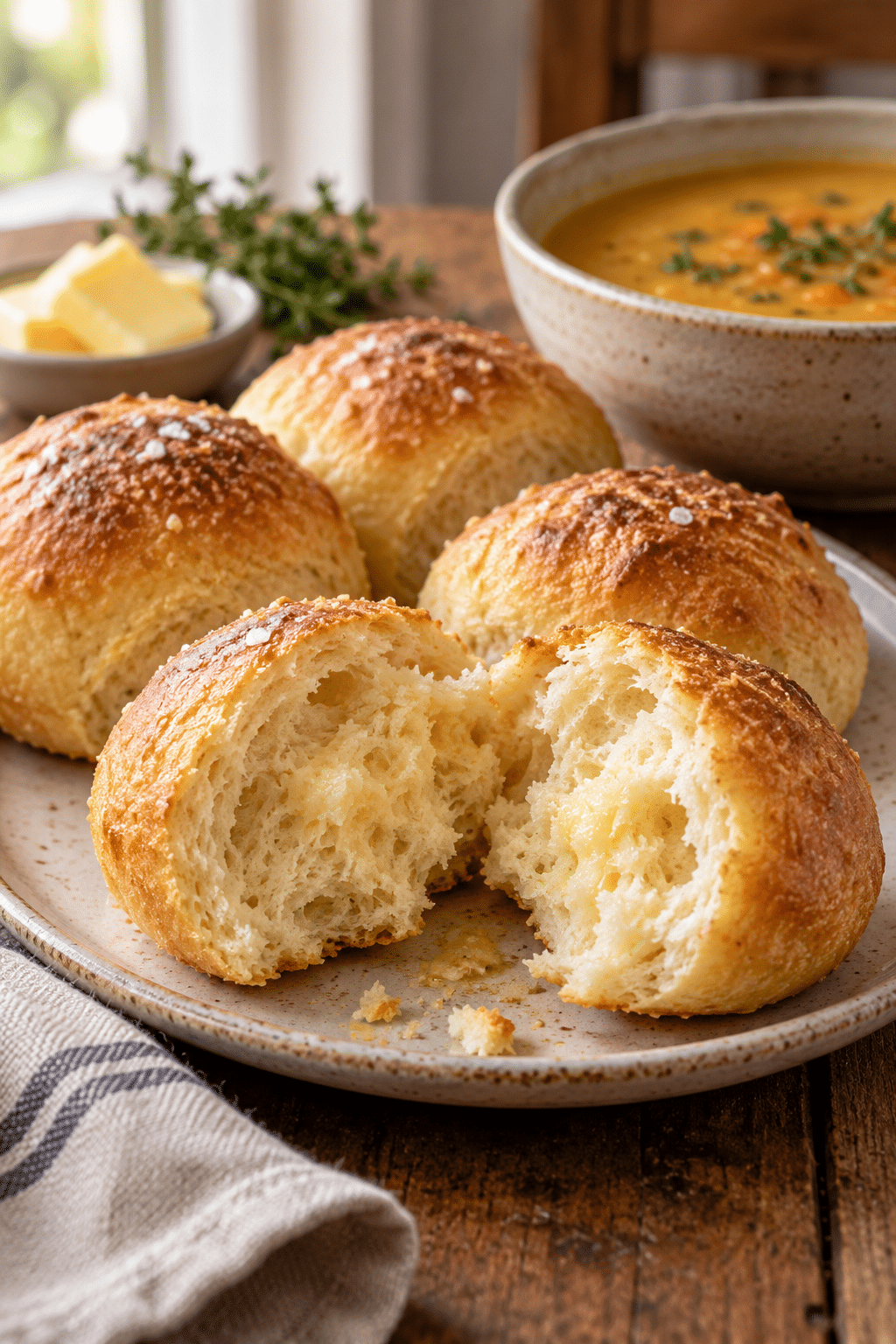
These gluten free rolls are at their best warm, when the centers are tender and the buttered tops are fragrant. Once you know what a properly risen scoop of dough looks like, the recipe is easy to repeat for weeknight dinners and special tables alike.

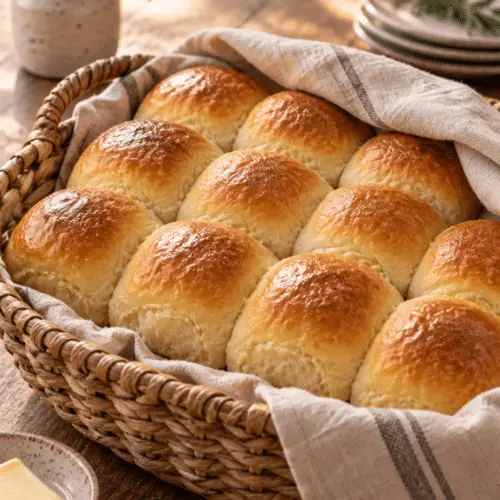
Gluten-Free Dinner Rolls
Ingredients
Ingredients
- 1 1/2 cups warm whole milk about 110°F
- 2 1/4 teaspoons active dry yeast
- 2 tablespoons granulated sugar divided
- 2 1/2 cups gluten-free all-purpose flour blend with xanthan gum
- 1 teaspoon fine salt
- 2 large eggs room temperature
- 4 tablespoons unsalted butter melted and cooled slightly
- 1 teaspoon apple cider vinegar
- 1 tablespoon melted butter for brushing
Instructions
Instructions
- Stir the warm milk, yeast, and 1 tablespoon of the sugar together. Rest for 5 to 10 minutes, until foamy.
- Whisk the gluten-free flour blend, remaining sugar, and salt in a large bowl.
- Whisk the eggs, melted butter, and vinegar into the yeast mixture, then stir the wet mixture into the dry ingredients until a thick, sticky dough forms.
- Divide the dough among 12 greased muffin cups or place rounded scoops in a greased 9-inch baking dish. Smooth the tops with a damp spoon.
- Cover loosely and let the dough rise in a warm spot for about 60 minutes, until visibly puffed.
- Heat the oven to 375°F. Brush the risen dough with melted butter and bake for 20 to 22 minutes, until golden and the centers feel set.
- Cool the rolls for 10 minutes before serving.